
Fresh Roast Coffee Storage Airtight Container Best Practices
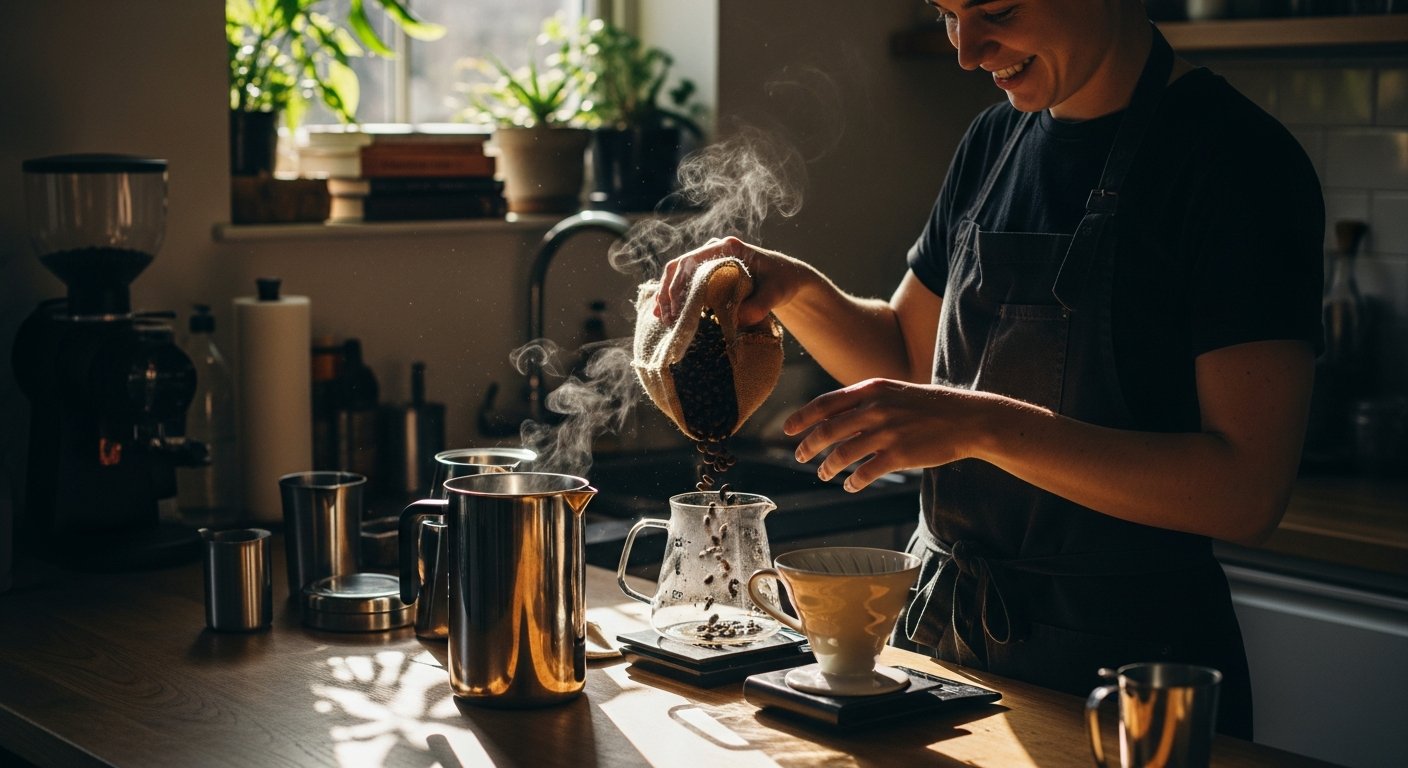
You just received a bag of freshly roasted coffee. The aroma fills the room, and the beans look glossy with natural oils. That moment of peak freshness is fleeting. Without proper storage, those delicate flavor compounds begin to break down within hours. The single most important tool you can own for preserving that just-roasted quality is an airtight container. But not all containers are equal, and how you use them matters just as much as the container itself. This guide covers fresh roast coffee storage airtight container best practices so you can enjoy vibrant, complex coffee for weeks instead of days.
Why Airtight Storage Matters for Fresh Roast Coffee
Freshly roasted coffee is a living product. It releases carbon dioxide for several days after roasting, a process called degassing. At the same time, oxygen, moisture, heat, and light work together to stale the beans. Oxygen is the primary enemy. It oxidizes the oils and aromatic compounds, turning bright, fruity notes into flat, papery flavors. An airtight container creates a barrier that slows this oxidation dramatically.
Storing coffee in the original bag with a fold-over clip is better than leaving it open, but it is not enough. Most coffee bags have one-way valves that let gas escape but also allow tiny amounts of oxygen to seep back in over time. A dedicated airtight container with a proper seal eliminates this problem. For home baristas and coffee enthusiasts who roast or buy fresh, investing in the right container is the cheapest upgrade you can make to your daily cup.
Choosing the Best Airtight Container for Fresh Roast Coffee
Selecting a container involves more than picking the first jar with a lid. The material, seal quality, size, and opacity all affect how well your coffee stays fresh. Here are the key factors to evaluate.
Material: Glass, Ceramic, or Stainless Steel
Glass containers are popular because they are non-porous and easy to clean. However, clear glass lets in light, which can degrade coffee quality. If you choose glass, store it in a dark cabinet. Ceramic canisters offer better light protection and a classic look, but the lid seal is often less reliable. Stainless steel is the best overall choice. It blocks all light, does not retain odors, and is durable. Look for food-grade stainless steel with a polished interior to avoid any metallic taste transfer.
Seal Quality and Lid Design
The lid is where most containers fail. A screw-top lid with a silicone gasket provides an excellent seal. Clamp-down lids with rubber gaskets also work well if they are tight. Avoid containers with plastic lids that snap on without a gasket. They may feel secure but often leak air slowly. To test a seal, close the empty container and try to suck air out through the lid. If you hear or feel any airflow, the seal is not airtight.
Size and Capacity Considerations
Size matters more than most people realize. A container that is too large leaves a lot of air space above the beans. That trapped air contains oxygen that will stale the coffee faster. The best practice is to use a container that fits your typical coffee consumption. For example, if you go through 12 ounces of coffee in a week, use a container that holds 16 ounces or less. Smaller headspace means less oxygen exposure each time you open the lid.
For those who buy or roast larger quantities, consider dividing your coffee into multiple smaller containers. Keep one container for daily use and store the rest in a cool, dark place. This way you only expose a small portion of your total supply to air and humidity each time you open the container.
Opacity and Light Protection
Light accelerates the staling process by breaking down oils and triggering chemical reactions. Clear glass and plastic containers offer zero protection. Even if you store them in a cabinet, every time you open the door some light hits the beans. Opaque containers made of ceramic, stainless steel, or dark-tinted glass are far superior. If you love the look of clear glass and want to display your beans on the counter, at least keep them away from direct sunlight and fluorescent kitchen lights.
Fresh Roast Coffee Storage Airtight Container Best Practices: A Step-by-Step Guide
Having the right container is only half the battle. How you prepare and use it makes the difference between coffee that stays fresh for two weeks and coffee that tastes stale after five days. Follow these steps for optimal results.
Step 1: Let the Coffee Degas First
Do not seal fresh roast coffee in an airtight container immediately after roasting. Beans release a significant amount of carbon dioxide in the first 12 to 48 hours. If you seal them too early, the built-up gas can create pressure that affects flavor and may even bulge or pop the lid. Leave the coffee in its original bag or an open container for 12 to 24 hours after roasting. Then transfer it to the airtight container. If you buy from a roaster, the beans have likely already degassed during shipping, so you can seal them right away.
Step 2: Keep the Container Cool and Dark
Temperature is a major factor in coffee freshness. Heat accelerates the oxidation process and drives off volatile aromas. Store your airtight container in a pantry, cupboard, or any spot that stays between 60 and 75 degrees Fahrenheit. Avoid placing it on top of the refrigerator, near the stove, or next to a window. The freezer is not ideal for daily-use coffee because condensation forms on the beans each time you open the container, introducing moisture.
Step 3: Measure and Minimize Open Time
Every time you open the container, fresh oxygen rushes in. To minimize this, measure out the coffee you need for your brew and close the lid immediately. Do not leave the container open while you grind, tamp, or boil water. If you use a scoop, keep it clean and dry. Moisture from a wet scoop can introduce mold and cause beans to clump.
Step 4: Grind Only What You Brew
Whole bean coffee stays fresh much longer than ground coffee because grinding increases the surface area exposed to oxygen. Always store your coffee as whole beans in the airtight container and grind only the amount you need immediately before brewing. Ground coffee can lose significant flavor in as little as 15 minutes. For the best results, grind right before you brew and never store ground coffee in the container.
Common Mistakes to Avoid with Coffee Storage Containers
Even experienced coffee lovers make errors that shorten the life of their beans. Here are the most common pitfalls and how to avoid them.
- Storing in the refrigerator: The fridge is humid and full of food odors. Coffee absorbs moisture and smells like onions or cheese within a day. Always store at room temperature in an airtight container.
- Using a container that is too large: Excess air space in the container speeds up staling. Match the container size to your weekly consumption.
- Leaving beans in the roaster’s bag after opening: The one-way valve on the bag is designed for degassing, not long-term storage. Once opened, transfer beans to an airtight container.
- Placing the container in direct sunlight: Even a few minutes of sun exposure each day can degrade flavor compounds. Keep the container in a dark cabinet.
- Not cleaning the container between batches: Old coffee oils can go rancid and contaminate fresh beans. Wash and dry the container thoroughly before each new batch.
Avoiding these mistakes will extend the freshness of your coffee by a week or more. Combine good habits with the right container for the best results.
Comparing Container Types for Fresh Roast Coffee
Not all airtight containers perform the same. Below is a breakdown of the most common types and their pros and cons for coffee storage.
Stainless steel canisters are the top choice for most coffee enthusiasts. They block light completely, do not absorb odors, and have excellent seals. The downside is that you cannot see the beans without opening the container. Some models come with a CO2 release valve, which is useful for very fresh roasts. Prices range from moderate to high depending on the brand and build quality.
Ceramic canisters offer good light protection and a classic aesthetic. However, the lid seal is often the weak point. Many ceramic containers use a cork or wooden lid that does not form an airtight seal. Look for models with a silicone gasket and a clamp-down lid. Ceramic is heavy and breakable, so it is not ideal for travel or countertops with limited space.
Glass jars with rubber gaskets are widely available and affordable. They allow you to see the beans, which can be appealing for display. But light exposure remains a problem unless you keep the jar in a dark cabinet. Glass is also fragile and can break if knocked over. For daily use, a dark-tinted glass jar with a tight seal is a decent budget option.
Vacuum-sealed containers remove air from the jar before sealing. These can extend freshness significantly, especially for coffee that you do not use daily. The main drawback is that they require a pump or base to create the vacuum, adding cost and complexity. For most home users, a standard airtight container with minimal headspace is sufficient.
How Long Does Fresh Roast Coffee Stay Fresh in an Airtight Container?
With optimal storage conditions, whole bean coffee remains at peak flavor for 2 to 4 weeks after roasting. After that, the quality declines gradually but drinkable coffee can last up to 6 weeks. Ground coffee stored in an airtight container loses its best flavor after just 1 week. This timeline assumes the container is kept in a cool, dark place and opened only once or twice a day.
If you want to preserve coffee for longer periods, consider freezing it. Freezing works best for beans that you will not use for more than a month. Divide the coffee into single-week portions, seal them in airtight containers or freezer bags, and thaw each portion only once. Never refreeze coffee after thawing, as the moisture cycle damages the beans.
The Role of Humidity in Coffee Storage
Humidity is an often-overlooked factor in coffee freshness. In humid climates, moisture can seep into even a well-sealed container over time. Moisture accelerates staling and can lead to mold growth. If you live in a humid area, consider adding a food-grade silica gel packet inside the container. Change the packet every month. Alternatively, choose a container with a desiccant compartment built into the lid.
Conversely, in very dry environments, coffee beans can dry out and lose their aromatic oils. The ideal relative humidity for coffee storage is between 50% and 60%. An airtight container helps maintain a stable microclimate for the beans, protecting them from both excess moisture and extreme dryness.
Integrating Fresh Roast Coffee Storage into Your Daily Routine
Adopting fresh roast coffee storage airtight container best practices does not have to be complicated. Start by selecting a high-quality stainless steel canister that matches your weekly consumption. Place it in a cool, dark cabinet away from heat sources. Each morning, open the container, measure out your beans, and seal it immediately. Grind only what you need and brew right away.
For those who roast their own coffee at home, timing is critical. Let the beans degas for 12 to 24 hours before transferring them to the airtight container. Mark the roast date on the container with a piece of tape so you know exactly how fresh the beans are. Rotate your stock so older beans get used first. In our guide on climate resilient coffee varietals farming practices, we discuss how sustainable farming methods affect bean density and flavor longevity. These factors also influence how well a particular coffee holds up in storage.
By following these practices, you will notice a consistent improvement in your coffee’s flavor, aroma, and crema. Stale notes will disappear, and the nuanced tasting notes that the roaster intended will shine through in every cup. The small effort of proper storage pays dividends with every morning brew.
Fresh roast coffee is a perishable product, but with the right airtight container and a few simple habits, you can extend its peak flavor window significantly. Pay attention to material, seal quality, headspace, and storage environment. Avoid the common mistakes of refrigeration and oversized containers. Treat your coffee beans with the same care you would a fine wine or craft beer. Your taste buds will reward you.