
Rare Coffee Varietals: Beyond Arabica, Robusta and Gesha
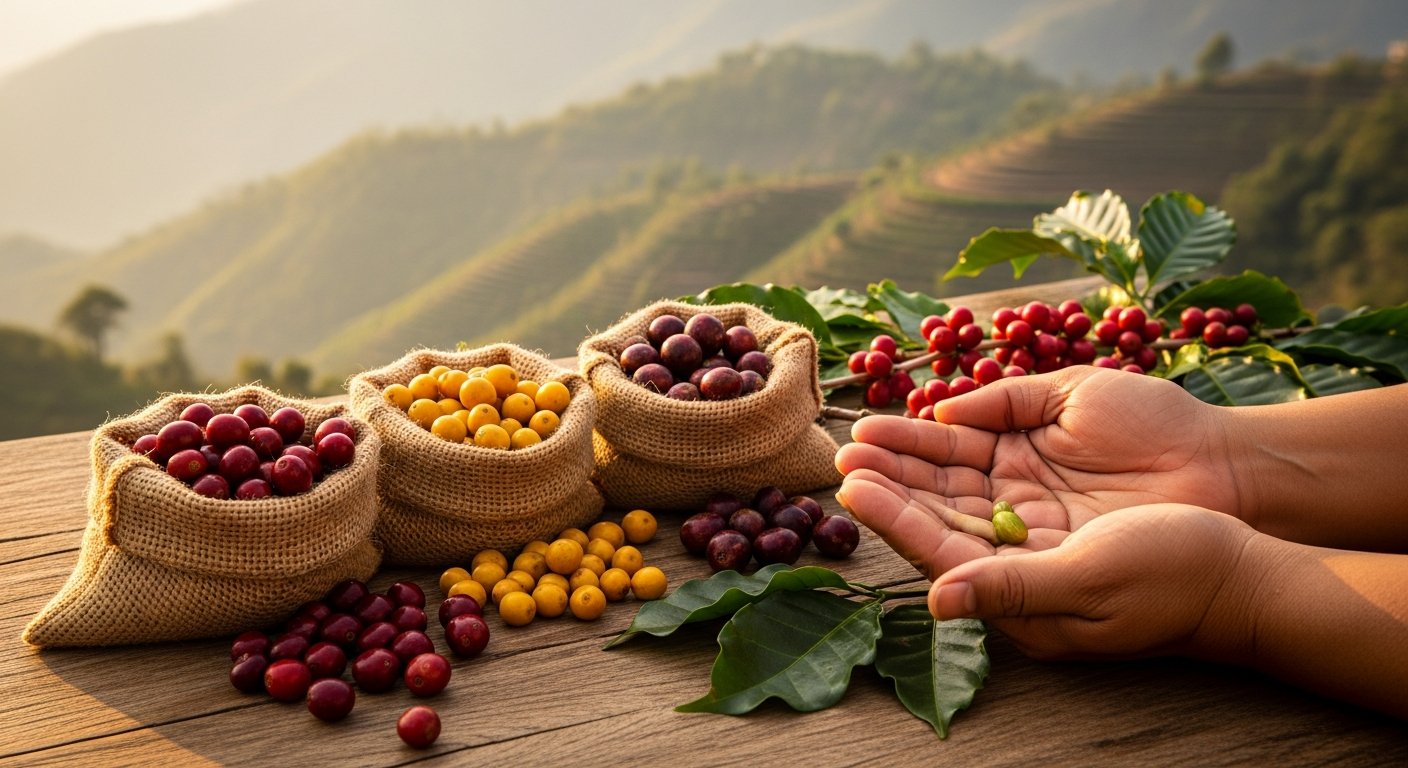
The world of specialty coffee has long been dominated by three names: Arabica, Robusta, and Gesha. Coffee enthusiasts know the smooth acidity of a washed Ethiopian Yirgacheffe, the bold bitterness of a well-processed Robusta, and the floral complexity of a Panamanian Gesha. Yet these three varieties represent only a fraction of the genetic diversity hiding in coffee farms around the globe. For those seeking truly unique flavor experiences, exploring rare coffee varietals beyond Arabica, Robusta, and Gesha opens a door to tastes that most coffee drinkers have never imagined.
These uncommon varieties often come with fascinating histories and cultivation challenges. Some were nearly lost to history, while others are emerging from remote regions where wild coffee still grows. This article takes you on a journey through the rarest coffee varietals in the world, explaining what makes each one special, where to find them, and why they matter for the future of coffee. We will cover varieties that challenge conventional flavor expectations and introduce you to beans that could redefine your morning cup.
What Makes a Coffee Varietal Rare?
Rarity in coffee is not just about low production numbers. It involves a combination of genetic uniqueness, geographical isolation, and historical significance. Many rare varietals come from isolated regions where farmers have preserved heirloom seeds for generations. Others are the result of natural mutations or deliberate breeding programs aimed at disease resistance or flavor enhancement. The rarity of a varietal often correlates with its vulnerability to pests and climate change, making conservation efforts critical.
To understand rarity, one must first understand the broader coffee family. Coffee belongs to the genus Coffea, which includes over 120 species. However, only two species are commercially significant: Coffea arabica (Arabica) and Coffea canephora (Robusta). Within these species, thousands of varietals exist, but only a handful are cultivated on a large scale. The rest remain in the shadows, grown by smallholder farmers or preserved in research collections. When we talk about rare coffee varietals beyond Arabica, Robusta, and Gesha, we are exploring these lesser-known branches of the coffee family tree.
The Hidden Gems of Coffee Species
Liberica: The Bold Survivor
Coffea liberica is a species that predates the dominance of Arabica and Robusta. Originating in West Africa, Liberica was once widely cultivated in the late 19th century when a fungal disease called coffee leaf rust devastated Arabica plantations. Liberica proved resistant to the disease and thrived in low-altitude, humid conditions. However, its bold, smoky, and sometimes woody flavor profile never gained widespread popularity in the specialty coffee market. Today, Liberica is rare but experiencing a revival among adventurous roasters and consumers.
What makes Liberica unique is its large, asymmetrical beans and its ability to grow in environments unsuitable for Arabica. The flavor is polarizing: some describe it as having notes of dark chocolate, ripe fruit, and even a hint of smoke, while others find it too earthy. In regions like the Philippines, where Liberica is known as Kapeng Barako, it remains a cultural staple. For those seeking rare coffee varietals beyond Arabica, Robusta, and Gesha, Liberica offers a bold departure from conventional flavor expectations.
Excelsa: The Wild Card
Excelsa (Coffea excelsa or Coffea liberica var. dewevrei) is often confused with Liberica but is distinct in both genetics and flavor. Excelsa grows on tall trees that can reach 15 meters, making harvesting challenging. Its flavor profile is unlike any other coffee: tart, fruity, and almost wine-like, with a distinctive smoky finish. Excelsa is predominantly grown in Southeast Asia, particularly in Vietnam and the Philippines, where it is used both as a single-origin coffee and in blends to add complexity.
The rarity of Excelsa stems from its low yield and the labor-intensive harvesting process. Most Excelsa is consumed locally, with only small quantities reaching international markets. For coffee lovers interested in rare coffee varietals beyond Arabica, Robusta, and Gesha, Excelsa provides a taste experience that defies categorization. Its acidity is sharp but not unpleasant, and its fruit-forward character makes it a favorite among those who enjoy natural-processed coffees.
Stenophylla: The Lost Gem Rediscovered
Stenophylla (Coffea stenophylla) is perhaps the rarest coffee species in commercial cultivation. Native to West Africa, Stenophylla was once prized in the 19th century for its superior flavor, which was described as similar to high-quality Arabica. However, as Arabica and Robusta gained dominance, Stenophylla fell out of favor and nearly disappeared. In 2019, researchers rediscovered wild Stenophylla plants in Sierra Leone, sparking renewed interest in this forgotten species.
What makes Stenophylla extraordinary is its potential for climate resilience. It can grow at higher temperatures than Arabica, making it a candidate for future coffee production in a warming world. Its flavor is said to be sweet, with notes of peach and black tea, rivaling specialty Arabica. For those exploring rare coffee varietals beyond Arabica, Robusta, and Gesha, Stenophylla represents both a historical treasure and a potential solution for sustainable coffee farming.
Unique Arabica Varietals That Deserve Attention
Maragogipe: The Elephant Bean
Maragogipe is a natural mutation of Typica, one of the oldest Arabica varietals. Discovered in Brazil in the 19th century, Maragogipe produces exceptionally large beans, earning it the nickname Elephant Bean. Despite its size, Maragogipe is known for its delicate, floral acidity and light body. It is often used in blends to add complexity, but single-origin Maragogipe offers a refined cup with notes of jasmine, honey, and citrus.
Rarity comes from Maragogipe’s low yield per tree. The large beans require more nutrients and space, making them less economical for large-scale farming. Today, Maragogipe is cultivated in small quantities in Central and South America, particularly in Nicaragua and Mexico. For those seeking rare coffee varietals beyond Arabica, Robusta, and Gesha, Maragogipe is a classic choice that showcases the diversity within the Arabica species itself.
Bourbon Pointu: The Heirloom of Reunion Island
Bourbon Pointu, also known as Laurina, is a natural mutation of Bourbon coffee. It originated on the island of Reunion in the Indian Ocean and was nearly extinct by the mid-20th century. A concerted effort by coffee researchers revived the variety, and today it is grown in small quantities on Reunion and in select regions of Latin America. Bourbon Pointu is known for its low caffeine content and exceptional sweetness, with tasting notes of caramel, red berries, and orange blossom.
What makes Bourbon Pointu rare is its genetic fragility and low productivity. The plant is susceptible to disease and requires meticulous care. However, its cup quality is so remarkable that it commands premium prices among specialty coffee buyers. If you are exploring rare coffee varietals beyond Arabica, Robusta, and Gesha, Bourbon Pointu offers a glimpse into what coffee tasted like before modern hybridization took over.
SL28 and SL34: The Kenyan Legends
While not as rare as some other varietals, SL28 and SL34 are iconic in the specialty coffee world. Developed in Kenya in the 1930s by Scott Laboratories, these varieties were selected for their resistance to drought and disease. SL28 is known for its bright, complex acidity and flavors of blackcurrant and tomato. SL34 produces a heavier body with notes of wine and stone fruit. Both are considered among the finest Arabica varietals in the world.
Their rarity lies in their specific growing requirements. SL28 and SL34 thrive only in certain high-altitude regions with distinct wet and dry seasons. Attempts to cultivate them elsewhere often result in diminished flavor. For those seeking rare coffee varietals beyond Arabica, Robusta, and Gesha, these Kenyan legends represent the pinnacle of terroir-driven coffee.
Why Rare Varietals Matter for the Future of Coffee
The coffee industry faces unprecedented challenges from climate change, pests, and disease. Arabica, which accounts for 60 percent of global coffee production, is particularly vulnerable to rising temperatures and coffee leaf rust. Robusta is more resilient but lacks the flavor complexity that specialty coffee drinkers demand. Rare coffee varietals, especially species like Stenophylla and Liberica, offer genetic resources that could help breeders develop new hybrids that combine flavor with resilience.
Preserving rare coffee varietals is not just about nostalgia. It is about ensuring that future generations can continue to enjoy high-quality coffee. Organizations like World Coffee Research are working to catalog and conserve genetic diversity in coffee. Farmers who cultivate rare varietals often receive premium prices, which supports sustainable livelihoods. For consumers, exploring rare coffee varietals beyond Arabica, Robusta, and Gesha is a way to support biodiversity and discover new flavors at the same time.
Where to Find and How to Brew Rare Coffee Varietals
Finding rare coffee varietals requires effort. Specialty roasters often release limited batches of rare coffees, so subscribing to newsletters or following roasters on social media can help you stay informed. Some online retailers specialize in exotic coffees, offering single-origin lots from small farms. When you find a rare varietal, pay attention to the roast profile. Lighter roasts generally preserve the delicate flavors that make these coffees unique.
Brewing methods also matter. For delicate varietals like Bourbon Pointu or Maragogipe, pour-over methods such as Hario V60 or Chemex work well. For bolder varietals like Liberica or Excelsa, a French press or espresso machine can highlight their body and complexity. Always use filtered water at the right temperature (195 to 205 degrees Fahrenheit) and grind your beans just before brewing. For more on how climate factors affect farming of these unique beans, check out our guide on climate resilient coffee varietals farming practices.
One final tip: keep an open mind. Rare coffee varietals can taste radically different from what you are used to. A Liberica might taste smoky and earthy, while an Excelsa might remind you of red wine. Embrace the diversity and let each cup teach you something new about the world of coffee.
The world of rare coffee varietals beyond Arabica, Robusta, and Gesha is vast and largely unexplored by mainstream coffee drinkers. From the bold smoky notes of Liberica to the delicate sweetness of Bourbon Pointu, each varietal tells a story of geography, history, and human effort. As the coffee industry evolves, these rare beans may hold the key to both flavor innovation and agricultural sustainability. Whether you are a home barista or a professional roaster, seeking out these unusual coffees is one of the most rewarding adventures in specialty coffee. The next time you order beans, consider stepping off the beaten path. You might discover a flavor that changes how you think about coffee forever.