
Espresso Blend vs Single Origin for Milk Drinks
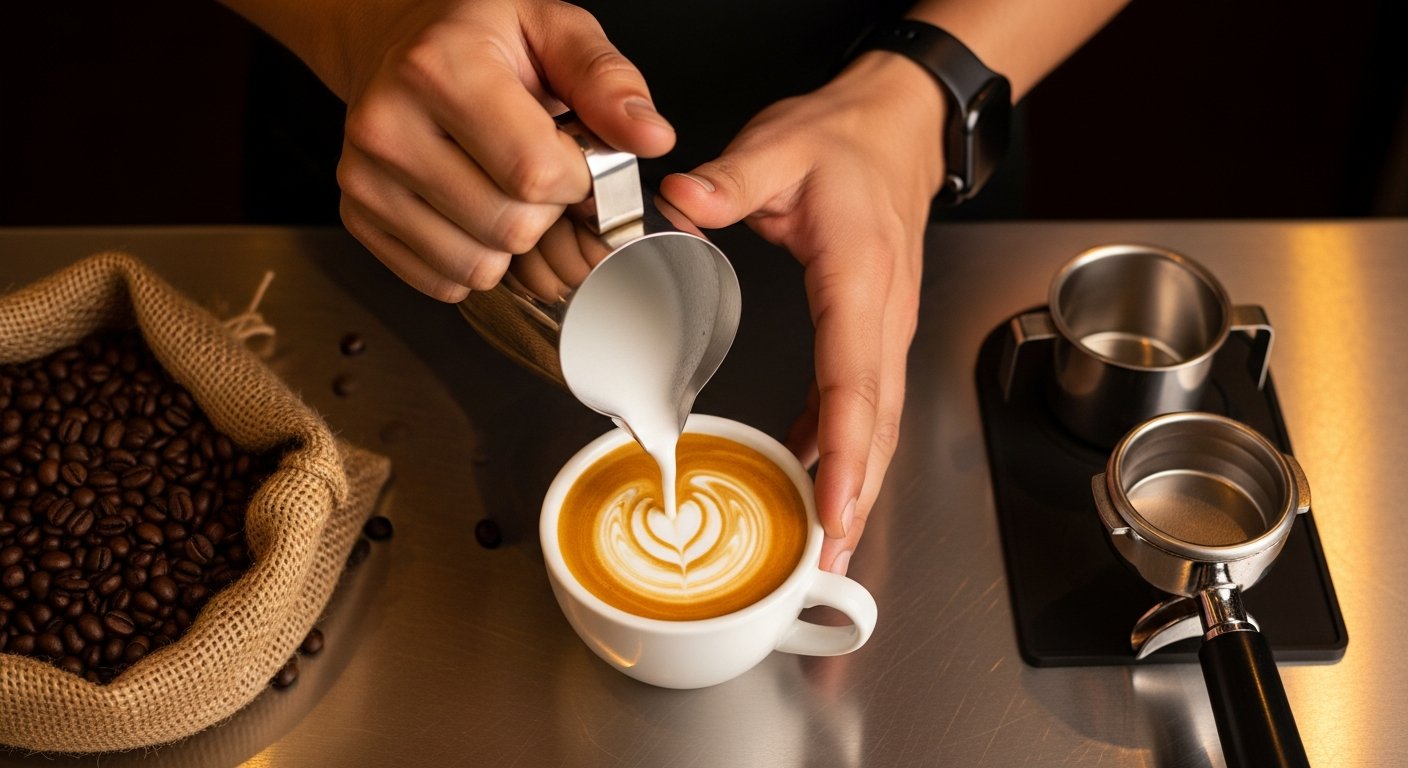
Choosing between an espresso blend and a single origin for milk based drinks is one of the most debated topics in specialty coffee. For home baristas and cafe owners alike, the decision affects everything from flavor balance to consistency. While single origins showcase terroir, blends are designed to cut through milk. Understanding how each performs with steamed milk will help you make the right choice for your morning latte or cappuccino.
What Makes an Espresso Blend Different
An espresso blend is a deliberate combination of beans from different origins or processing methods. Roasters create these blends to achieve a specific flavor profile that works well under pressure and with milk. Typical blend components include a base bean for body and crema, a mid-note for sweetness, and a top note for aroma. For example, a classic Italian blend might use Brazilian beans for chocolate notes, Colombian beans for nuttiness, and a small percentage of robusta for crema.
The primary advantage of a blend is consistency. Roasters can adjust the recipe seasonally to maintain the same flavor profile even as single origin harvests change. This reliability is crucial for cafes that need their signature latte to taste the same every day. Blends also tend to have a wider margin for error in extraction, meaning minor changes in grind size or dose are less likely to ruin the shot.
When paired with milk, espresso blends typically offer bold chocolate, caramel, or nut flavors that stand up well to dairy. The higher body and lower acidity of most blends prevent the milk from washing out the coffee character. This is why traditional Italian espresso culture relies almost exclusively on blends for milk drinks.
Single Origin Espresso for Milk Based Drinks
Single origin espresso comes from one farm, region, or cooperative. These coffees highlight unique flavor characteristics like floral notes, fruit acidity, or winey complexity. Using a single origin for milk based drinks has become popular in third wave cafes that want to showcase the bean’s origin story in every cup.
The challenge with single origin espresso is that many bright, acidic coffees clash with milk. A natural Ethiopian Yirgacheffe with blueberry notes might taste like a fruit bomb as a straight shot but turn sour and unbalanced when milk is added. However, some single origins perform beautifully with milk. Washed Colombians with milk chocolate and red apple notes or Brazilian naturals with peanut and caramel flavors can create outstanding lattes.
Roasters often develop specific single origin espresso profiles that are darker than their filter roasts. These espresso roasts tame acidity while still preserving origin character. For home baristas, finding a single origin that works with milk requires trial and error. In our guide on best coffee grinder for single origin espresso pour over, we explain how grind consistency affects extraction and flavor clarity for these delicate beans.
Key Differences in Flavor and Body
Acidity and Milk Interaction
Acidity is the most critical factor when choosing espresso blend vs single origin for milk based drinks. Milk contains proteins and fats that buffer acidity. A coffee with moderate acidity (like a washed Central American) becomes smooth and sweet with milk. A coffee with high acidity (like a Kenyan with grapefruit notes) can turn sour and unpleasant. Blends are engineered to have moderate acidity, while single origins vary widely.
Here are the expected flavor outcomes for different coffee types with whole milk:
- Chocolate-forward blends: produce a hot cocoa like sweetness with creamy mouthfeel
- Nutty single origins: create a hazelnut or almond milk flavor without additives
- Fruity naturals: can taste like a fruit smoothie or may clash with dairy
- Washed floral coffees: often get lost in milk or taste like soap
- Dark roasted blends: deliver bold, smoky flavors that overpower milk
These general guidelines are a starting point. The exact flavor also depends on milk fat content, temperature, and steaming technique. For example, oat milk has different sugar content than whole milk, which changes how acidity is perceived.
Crema and Mouthfeel
Crema is the golden foam layer on top of an espresso shot. It contributes to mouthfeel and visual appeal, especially in lattes and cappuccinos. Blends, especially those with robusta or high-altitude arabica, produce thick, persistent crema. Single origins, particularly those from low-altitude regions or processed naturally, can have thin or bubbly crema.
For milk drinks, crema is less important than flavor because it mixes into the milk. However, a thick crema can add a silky texture that enhances the overall drinking experience. Many baristas prefer blends for this reason, as they produce consistent crema even with slight variations in technique.
When to Choose a Blend
Choose an espresso blend when you prioritize consistency, reliability, and chocolatey or nutty flavors. Blends are ideal for:
- Cafe settings where every drink must taste the same
- Home baristas who want a forgiving espresso that works with any milk
- Milk drinks like lattes, flat whites, and cappuccinos where coffee flavor needs to cut through dairy
- Drinkers who prefer classic espresso flavors over fruit or floral notes
Blends also tend to be more affordable than premium single origins. Roasters can use lower-cost beans for the base and add expensive microlots for complexity, balancing cost and quality. This makes blends a practical choice for high-volume milk drink production.
When to Choose Single Origin
Single origin espresso shines when you want to explore unique flavors and tell a story about where the coffee comes from. Choose single origin for milk based drinks when:
- You want to highlight a specific origin’s character in your latte
- You are using a more neutral milk like oat or almond that doesn’t compete with acidity
- You prefer brighter, fruit-forward flavors in your coffee
- You are making cortados or macchiatos where less milk preserves origin flavor
Single origins also allow you to support specific producers or regions. Many specialty coffee drinkers value traceability and are willing to accept less consistency for more flavor diversity. If you enjoy rotating coffees and experimenting with different profiles, single origins offer endless variety.
Practical Tips for Home Baristas
Experimenting with espresso blend vs single origin for milk based drinks at home requires some strategy. Start by choosing a well-known espresso blend from a reputable roaster. Dial in the grind and dose until you get a balanced shot. Then try a single origin that is recommended for espresso, preferably a washed coffee from Colombia or Brazil. Compare the two side by side with the same milk and same drink recipe.
Here is a simple test protocol:
- Pull two shots: one blend, one single origin, using the same grind setting
- Steam milk to 145-150 degrees Fahrenheit with microfoam
- Make two lattes with equal coffee milk ratios
- Taste blind and note sweetness, acidity, body, and aftertaste
- Repeat the test with different milk types if possible
You may find that your preference changes with the time of day or with different foods. A chocolatey blend might pair better with breakfast pastries, while a fruity single origin could complement a light lunch.
The Role of Roast Level
Roast level dramatically impacts how any coffee performs with milk. Lighter roasts retain more origin acidity and less soluble solids. Darker roasts develop caramelization and reduce acidity. For milk drinks, medium to medium-dark roasts are generally preferred because they balance sweetness and body without becoming bitter.
Many espresso blends are roasted medium-dark to ensure they work across different milk types and extraction parameters. Single origins for espresso are increasingly roasted to a medium level that preserves some origin character while still being milk-friendly. Some roasters offer single origins specifically labeled as espresso roast, which are darker than their filter counterparts.
Cost and Value Considerations
Espresso blends are typically cheaper per pound than single origins. A quality blend might cost 16to18 per pound, while a single origin espresso can range from 20to30 or more. For a home barista making two lattes per day, the cost difference adds up over a month. Blends also allow you to practice and waste less coffee during dial in because they are more forgiving.
However, single origins can offer better value if you prioritize flavor experience over volume. A pound of exceptional single origin might produce only 30-40 shots, but each shot can be a memorable sensory experience. Many coffee lovers find this worth the premium, especially when they can taste the unique characteristics of a specific farm or washing station.
Final Thoughts
There is no universal winner in the espresso blend vs single origin for milk based drinks debate. Blends offer consistency, body, and classic flavor profiles that work every time. Single origins provide variety, origin expression, and the excitement of discovery. The best choice depends on your taste preferences, budget, and how much you value predictability versus adventure. Try both approaches with an open mind, and you will develop a personal preference that makes your daily coffee ritual truly satisfying.