
How to Cup Coffee at Home and Evaluate Single Origin Organic Beans
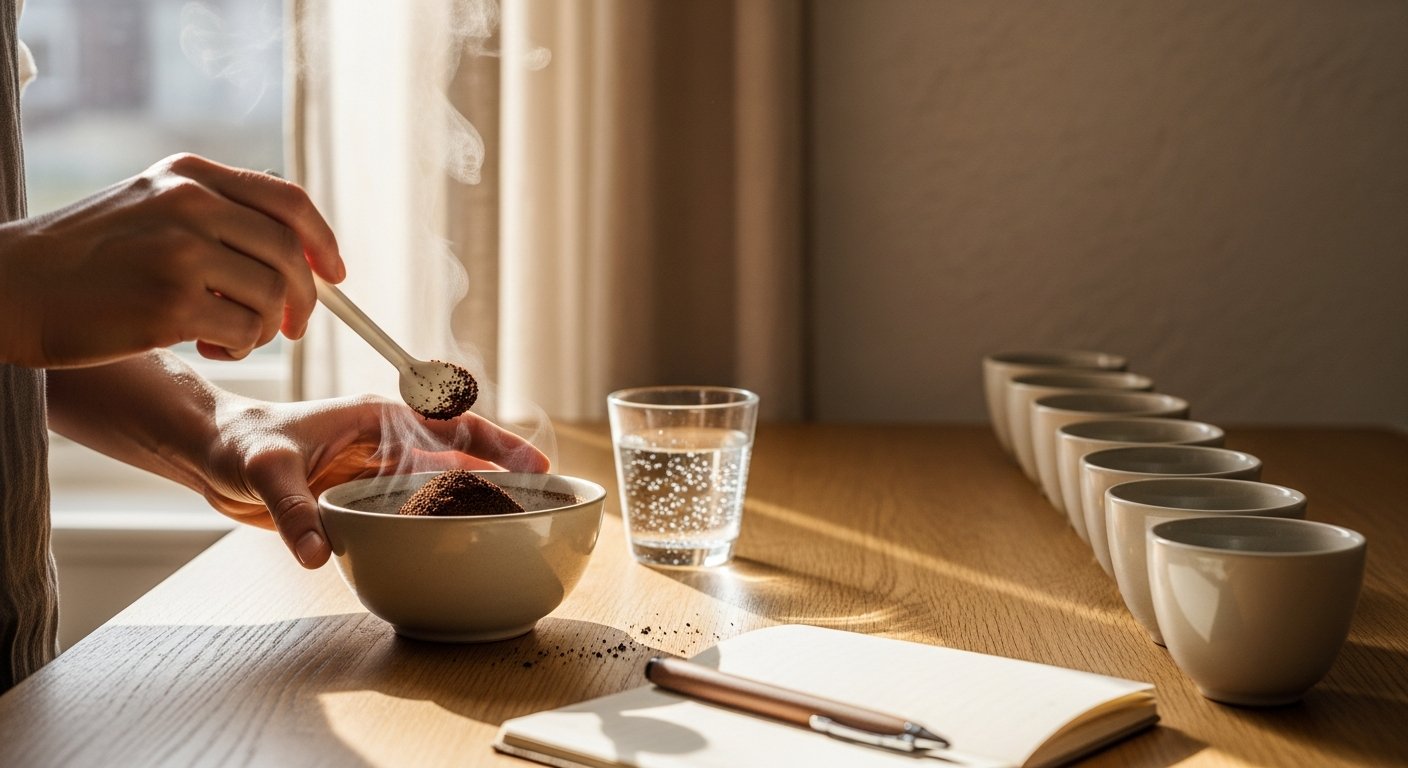
Imagine unlocking the full story of your morning cup. Every sip of single origin organic coffee carries a narrative of soil, climate, and craft. Coffee cupping at home is the professional method that lets you read that story with your senses. It requires no expensive lab or certification, just a few simple tools and a willingness to pay close attention. This guide will show you exactly how to set up a cupping session, what to look for, and how to evaluate the unique qualities of single origin organic coffee. By the end, you will confidently identify flavor notes, body, acidity, and finish, transforming the way you enjoy every brew.
Why Cupping Differs from Regular Brewing
Many people assume that tasting coffee is the same as drinking a mug of their favorite pour-over. Cupping is different. It is a standardized evaluation technique used by roasters, buyers, and baristas to assess coffee quality without the variables of brewing equipment, grind size, or water temperature. In cupping, the coffee grounds are steeped directly in hot water, then broken and slurped. This method highlights the bean’s intrinsic characteristics, not the skill of the brewer.
For single origin organic coffee, cupping is especially valuable. Single origin beans come from one farm, region, or cooperative, so they express a specific terroir. Organic certification means no synthetic pesticides or fertilizers were used, which often results in cleaner, more nuanced flavors. Cupping lets you detect those subtle differences. It also helps you compare different lots or roast levels side by side, making it easier to choose beans you truly love.
Essential Gear for Home Cupping
You do not need a professional cupping lab to get started. Most items are already in your kitchen. Gather the following:
- Fresh single origin organic coffee beans (whole bean, roasted within the past two weeks).
- A scale accurate to 0.1 grams for consistent measurements.
- A burr grinder set to a coarse grind, similar to sea salt.
- Cupping bowls or small cups (identical size, about 5-8 ounces each).
- Two spoons (preferably cupping spoons or large soup spoons).
- Hot water at 200-205°F (just off the boil).
- A timer and a cupping form or notebook for notes.
If you are new to cupping, consider starting with our guide on a home coffee cupping kit starter guide for organic beans, which breaks down the exact tools and setup. The key is consistency: use the same water temperature, grind size, and steep time for every sample.
The Step-by-Step Home Cupping Process
Preparing the Samples
Begin by weighing 8.25 grams of coffee per 150 milliliters of water. Place the grounds in each cup. If you are comparing multiple single origin organic coffees, label each cup with the origin or lot number. Grind the beans just before you begin, not earlier, because fresh grounds release volatile aromatics that fade quickly.
Evaluating the Dry Aroma
Before adding water, smell the dry grounds. Cup your hand over the bowl and inhale. Record what you perceive: floral, fruity, nutty, or earthy notes. Single origin organic coffees often have distinct dry aromas that hint at their region. For example, an Ethiopian Yirgacheffe might smell like jasmine and lemon, while a Colombian Huila can carry caramel and apple.
Pouring and Steeping
Pour the hot water over the grounds, filling each cup to the brim. Start your timer. Let the coffee steep for exactly four minutes. During this time, a crust will form on the surface. Do not stir or break it yet. After four minutes, take a deep breath and smell the crust. This is the wet aroma phase. It reveals more complexity as the grounds release trapped gases.
Breaking the Crust
Using your spoon, gently push the crust aside while bringing your nose close to the cup. Inhale deeply. This step releases the most intense aromatics. Professional cuppers break the crust three times, but for home use, one thorough break is enough. Skim off any remaining foam and grounds from the surface with two spoons.
Slurping and Tasting
Allow the coffee to cool for a few minutes until it is warm, not hot. Take a spoonful and slurp it aggressively. Slurping aerates the coffee across your tongue and palate, coating all taste receptors. Focus on four categories: fragrance/aroma, acidity, body, and flavor. Single origin organic coffees often display bright, clean acidity and a silky body that reflects their growing conditions.
As you taste, note the aftertaste. Does it linger pleasantly? Is it short and sweet? Also evaluate the balance: no single attribute should overpower the others. Finally, rate the overall impression. Use a simple 1-10 scale or descriptive words like “excellent,” “good,” or “fair.”
Evaluating Single Origin Organic Attributes
When cupping single origin organic coffee, certain traits stand out. Organic farming practices often lead to healthier soil, which can translate into more vibrant flavor profiles. Look for these markers:
- Clean cup: No off-flavors like mustiness, rubber, or chemical bitterness.
- Distinct origin character: A Kenyan coffee should taste different from a Guatemalan one.
- Balanced acidity: Bright but not sour or astringent.
- Sweetness: Natural sugars from the bean, not added.
- Complexity: Multiple flavor layers that change as the coffee cools.
If you detect defects such as sour, grassy, or baggy flavors, the coffee may be poorly processed, over-roasted, or not fresh. Single origin organic beans should taste lively and clean. Write down any defects so you can avoid similar batches in the future.
Comparing Multiple Samples Side by Side
One of the greatest benefits of cupping at home is benchmarking. Try cupping three to five different single origin organic coffees at once. Use the same roast date and grind size. After tasting, rank them by preference and note why. You may discover that you prefer a washed Ethiopian over a natural processed one, or that a medium roast suits your palate better than a light roast.
This practice also trains your palate. Over time, you will recognize regional profiles. For instance, Costa Rican beans often have a honey-like sweetness, while Sumatran coffees are earthy and full-bodied. Cupping regularly sharpens your ability to discern these nuances.
Common Mistakes and How to Avoid Them
Home cupping has a small learning curve. Avoid these pitfalls:
- Using stale coffee: Beans older than three weeks lose aromatic oils. Always use fresh single origin organic beans.
- Inconsistent grind: A mix of fine and coarse particles extracts unevenly. Use a burr grinder for uniformity.
- Not slurping: Sipping quietly misses half the flavor. Slurp loudly to spread coffee across your palate.
- Skipping the aroma phase: Aroma accounts for 80% of what we perceive as taste. Always evaluate dry and wet aromas.
- Cupping when sick or distracted: Your senses must be sharp. Choose a quiet time when you are not congested or stressed.
Correcting these errors will dramatically improve your results. Cupping should be a deliberate, mindful practice, not a rushed task.
Building a Vocabulary for Coffee Notes
Describing what you taste can be challenging at first. Use a flavor wheel or a list of common descriptors. Single origin organic coffees often fall into these categories: fruity (berry, citrus, stone fruit), floral (jasmine, rose, lavender), nutty (almond, hazelnut, peanut), chocolatey (dark chocolate, cocoa powder), spicy (cinnamon, clove), and earthy (cedar, tobacco, leather).
Start with broad terms and refine. For example, instead of “fruity,” say “dried cherry and orange zest.” Compare your notes with the roaster’s tasting notes to see if your perceptions align. Over time, your palate will become more precise, and you will develop a personal lexicon that makes cupping more rewarding.
Storing Your Single Origin Organic Beans
Proper storage preserves the qualities you evaluate during cupping. Keep beans in an airtight container away from light, heat, and moisture. Do not refrigerate or freeze them unless you use a specialized method, as condensation can degrade flavor. Buy whole beans and grind only what you need. For the best cupping experience, use beans within two weeks of the roast date.
Closing Thoughts
Coffee cupping at home is a skill that deepens your appreciation for single origin organic coffee. It turns a daily ritual into a sensory exploration. With consistent practice, you will learn to identify the subtle gifts of soil, climate, and organic farming in every cup. Start with one or two samples, take careful notes, and enjoy the journey. Each cupping session brings you closer to the heart of the coffee.