
Single Origin Vs Blend For Espresso: Which Wins?
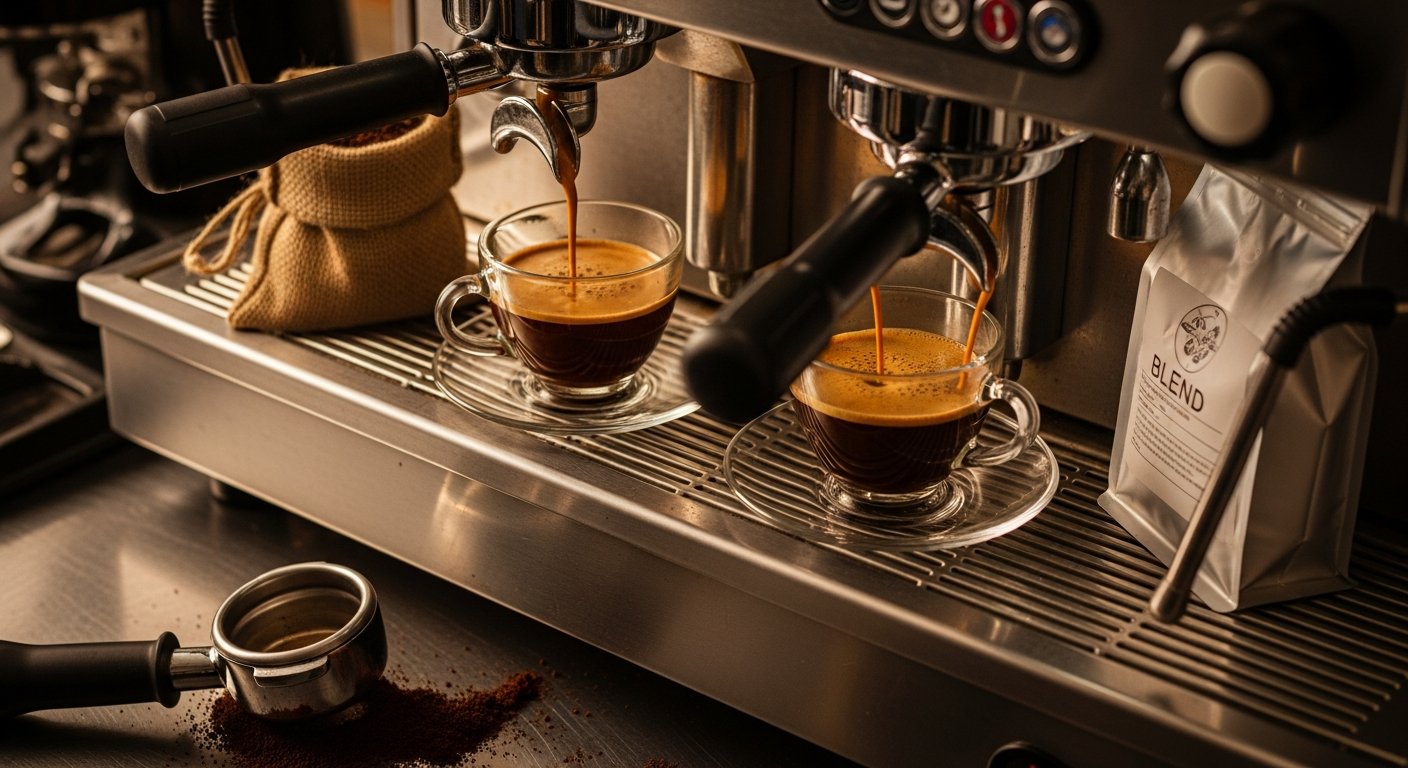
The debate over single origin coffee vs blend for espresso is one of the most passionate conversations in specialty coffee. For a home barista or café owner, choosing between the two directly affects every shot you pull. Single origins offer traceability and unique flavor. Blends promise consistency and balance. But which one actually works better under pressure from an espresso machine? The answer depends on your goals, your equipment, and your palate. Let’s break down the science, the flavor differences, and the practical considerations so you can make an informed decision.
What Defines A Single Origin Espresso?
A single origin coffee comes from one specific farm, cooperative, or region. It might be a washed Ethiopian Yirgacheffe from a single producer or a natural-processed Costa Rican from a single micro-lot. The key is that all beans share the same genetic variety, terroir, and processing method. For espresso, this purity can be both a strength and a challenge.
Single origins shine when you want to taste the distinct character of a place. A Kenyan single origin might burst with blackcurrant and tomato-bright acidity. A Brazilian single origin can offer deep chocolate and nut notes. However, these beans were not designed specifically for espresso. They were grown for flavor, not for the high-pressure extraction that requires a specific particle size distribution and solubility curve.
When you pull a single origin as espresso, you often need to adjust your grind, dose, and temperature more carefully. The bean’s density and moisture content vary by altitude and processing. In our guide on roasting by altitude and coffee bean density profile, we explain how higher-grown beans develop harder cell structures that extract differently. This means a single origin espresso can taste incredible (think floral, juicy, and complex) or it can taste unbalanced (sour or overly bitter) if your technique is not dialed in perfectly.
What Defines An Espresso Blend?
An espresso blend is a deliberate combination of two or more coffees. The roaster selects each component for a specific role: one bean provides body, another provides sweetness, a third provides crema stability. The goal is to create a consistent, forgiving espresso that tastes balanced across a range of grind settings and brew temperatures.
Most commercial espresso blends use a base of washed Brazilian or Colombian beans (for chocolate sweetness and body) with a smaller percentage of a high-acidity origin like Ethiopia or Kenya (for brightness and complexity). Some blends incorporate a small amount of robusta for crema and caffeine kick, though specialty blends often stick to 100% arabica.
Blends are engineered for reproducibility. If you own a café and need the same caramel-and-nut flavor profile every morning, a blend is your best friend. The roaster can adjust the blend recipe seasonally, swapping out one component for a similar bean without changing the overall profile. This stability is why most espresso competitions and coffee shops rely on blends as their house espresso.
Single Origin Coffee Vs Blend For Espresso: Key Differences
When comparing single origin coffee vs blend for espresso, consider these four dimensions:
- Flavor clarity vs complexity: Single origins offer a clear, singular flavor note. Blends layer multiple flavors into a rounded profile.
- Dial-in difficulty: Single origins require more precision with grind and dose. Blends are more forgiving and tolerate slight variations.
- Consistency over time: Single origins change with each harvest. Blends maintain a consistent profile year-round.
- Crema production: Blends (especially those with robusta or high-oil beans) produce thicker, more stable crema. Some single origins struggle to produce lasting crema.
These differences are not absolute. A well-roasted single origin from a high-altitude farm can produce stunning crema and balance. A poorly designed blend can taste flat and muddy. The deciding factor is often the roaster’s skill and your willingness to adjust your technique.
Flavor Profile: What To Expect In The Cup
Let’s taste the difference. Imagine pulling a shot of a washed Ethiopian Yirgacheffe single origin. You might get lemon zest, jasmine, and a tea-like finish. The acidity is high, the body is light to medium, and the aftertaste is clean. This can be amazing for a cortado or a straight shot, but it can feel thin in a latte if the milk overwhelms the delicate notes.
Now imagine a classic espresso blend: 60% Brazil, 30% Colombia, 10% Ethiopia. The shot pours thick with a hazelnut-brown crema. You taste milk chocolate, roasted almond, and a hint of red fruit. The body is syrupy, the acidity is moderate, and the finish is sweet. This blend holds up beautifully with milk and cuts through foam for a balanced latte or cappuccino.
There is no objective winner here. If you prefer bright, fruity, and tea-like espresso, single origins can deliver that. If you prefer classic, chocolatey, and full-bodied espresso, a well-crafted blend is the safer choice. Many specialty cafés now offer both: a rotating single origin for black coffee drinkers and a stable blend for milk-based drinks.
Practical Considerations For Home Baristas
If you are a home barista deciding between single origin coffee vs blend for espresso, think about your workflow. Do you enjoy experimenting and dialing in a new bag every week? Single origins will reward your curiosity with varied flavor experiences. Do you want a reliable morning shot without constant adjustment? A blend will save you time and frustration.
Your grinder matters immensely. Single origins with high density (like Ethiopian or Kenyan beans) require a precise grind setting. If your grinder has stepped adjustments or significant retention, you may struggle to dial in single origins. Blends are more forgiving with less precise grinders because their flavor is designed to remain balanced across a wider extraction window.
Freshness also plays a role. Single origins are often roasted in smaller batches and sold quickly. You need to use them within two to three weeks of the roast date for optimal espresso extraction. Blends from large roasters may have a longer shelf life (up to four weeks) due to their robust composition. If you buy coffee infrequently, a blend may stay fresh longer in your cupboard.
Roasting Approach: How It Affects Espresso Performance
The roaster’s development strategy changes how a coffee behaves on an espresso machine. Single origins are often roasted lighter to preserve origin character. This lighter roast means the bean is harder, requiring a finer grind and higher brew temperature to extract fully. If your espresso machine cannot reach 94°C (201°F) or if your grinder struggles with fines, a light-roast single origin may under-extract and taste sour.
Espresso blends are usually roasted slightly darker (Full City or Vienna level) to increase solubility and produce a uniform particle size. This darker roast reduces acidity and enhances caramelization, making the shot more forgiving. The trade-off is that you lose some of the nuanced floral and fruit notes that coffee enthusiasts love.
Some roasters now offer single origin espresso blends. This might sound contradictory, but it simply means a single origin that was roasted specifically for espresso. The roaster may develop the bean a bit darker than they would for filter, or they may adjust the profile to maximize crema and body. These options give you the best of both worlds: a traceable origin with espresso-optimized roast.
Cost And Availability
Single origin coffees often cost more per pound than blends. The limited supply, traceability, and specialty-grade quality command a premium. Blends can use lower-cost beans as a base, keeping the overall price affordable. If you pull four shots per day, the cost difference can add up over a month.
Availability is another factor. Single origins are seasonal. A stunning Ethiopian may only be available from November to February. Blends are available year-round because the roaster can source similar beans from different origins as harvests shift. If you have a favorite espresso you cannot live without, a blend is less likely to disappear from the menu.
Which One Should You Choose?
There is no universal answer to single origin coffee vs blend for espresso. The choice depends on your priorities:
- Choose single origin if you value unique flavor, traceability, and are willing to adjust your technique for each new bag.
- Choose a blend if you need consistency, forgiving extraction, and a versatile coffee that works for both straight shots and milk drinks.
- Try both if you have the budget and curiosity. Use a blend for your daily milk drinks and a single origin for weekend straight shots or filter coffee.
Many home baristas eventually settle on a favorite blend for their morning routine and reserve single origins for special tasting sessions. Café owners almost always use a house blend for their main espresso and offer a single origin as a rotating guest option. This dual approach satisfies both the purist and the pragmatist.
At the end of the day, espresso is about enjoyment. If a single origin makes you smile with its bright, fruity complexity, then it is the right choice. If a smooth, chocolatey blend gives you comfort and reliability, then that is your winner. The best espresso is the one you love to drink.