
Best Brewing Method for Bright African Single Origin Coffee
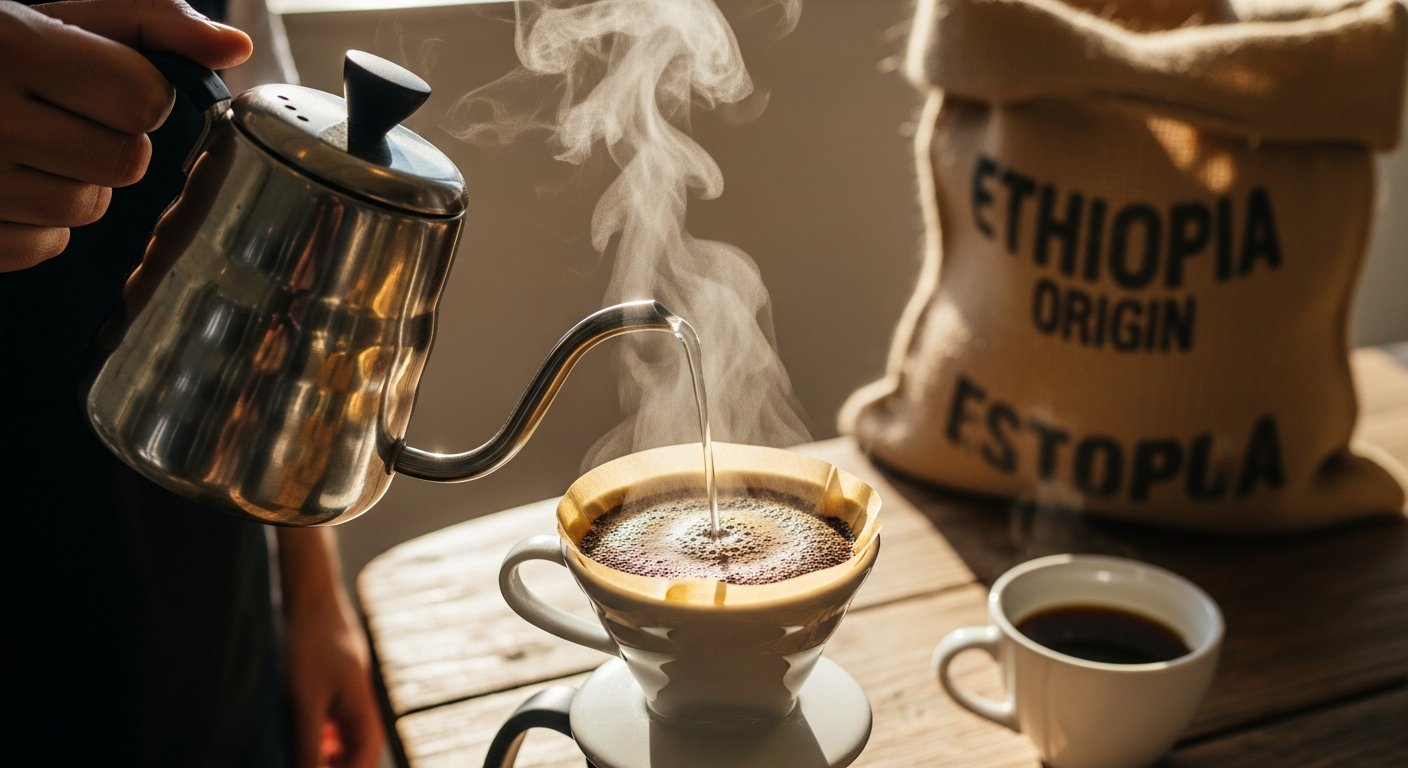
African single origin coffees are prized for their vibrant acidity, complex fruit notes, and floral aromatics. Coffees from Ethiopia, Kenya, Rwanda, and Burundi often display bright citrus, berry, jasmine, or wine-like flavors that can easily be muted by the wrong brewing technique. Choosing the best brewing method for bright African single origin coffee is not about following a single rule. It is about understanding how heat, extraction time, and grind size interact with these delicate beans to preserve their clarity and sparkle. Whether you are a home barista or a professional, the right method unlocks the full potential of these exceptional coffees.
Bright African coffees are typically light to medium roasted to protect their origin character. Unlike darker roasts that rely on caramelization and body, these beans shine when the brewer highlights acidity and fruit-forward notes. The challenge is that over-extraction can introduce bitterness, while under-extraction leaves sour, grassy flavors. The goal is a balanced cup where the brightness is supported by sweetness and a clean finish. This article walks through the most effective brewing methods, step-by-step guidance, and key variables to help you achieve that perfect cup every time.
Why Brewing Method Matters for Bright African Coffees
The chemical composition of African single origin coffees makes them particularly sensitive to brewing parameters. These beans contain higher concentrations of organic acids, such as citric and malic acid, which produce the bright, tangy notes coffee lovers enjoy. They also have volatile aromatic compounds that dissipate quickly if water temperature is too high or if the brew time extends too long. A method that emphasizes even extraction and thermal stability will preserve these delicate compounds.
Another factor is the bean density. Many African coffees, especially those grown at high elevations in Ethiopia or Kenya, have very dense beans. Dense beans require more energy to extract properly. If the grind is too coarse or the water temperature too low, the brew will taste thin and underdeveloped. Conversely, dense beans can handle a slightly finer grind without turning bitter, provided the contact time is controlled. This is why pour-over methods often outperform immersion methods for bright African coffees, as they allow precise control over water flow and temperature.
In our guide on Central America Single Origin Coffee Flavor Map, we explain how regional characteristics influence brewing choices. The same principle applies here: understanding the origin of your beans helps you select a method that highlights their strengths.
The Top Brewing Methods Compared
Not all brewing methods are equal when it comes to preserving brightness. Below is a comparison of the four most effective techniques for African single origin coffees. Each method has strengths and trade-offs, so consider your equipment, time, and flavor preferences.
Pour-Over: The Gold Standard for Clarity
Pour-over brewers, such as the Hario V60, Kalita Wave, or Chemex, are widely considered the best brewing method for bright African single origin coffee. These devices use a paper filter that traps oils and fine particles, resulting in a clean, transparent cup. The cone or flat-bottom design encourages even extraction, and the slow, manual pour gives you complete control over water temperature and flow rate.
To brew with a pour-over, start with water heated to 195-205 degrees Fahrenheit (90-96 degrees Celsius). Use a medium-fine grind, similar to table salt. The total brew time should be between 2.5 and 3.5 minutes, depending on the dose. A common ratio is 60 grams of coffee per liter of water, or roughly 15 grams of coffee for 250 milliliters of water. The key is to pour in a slow, circular motion, starting from the center and moving outward, ensuring all grounds are saturated evenly.
Many baristas prefer the Hario V60 for Ethiopian Yirgacheffe or Kenyan SL28 varieties because its spiral ridges accelerate flow, reducing the risk of over-extraction. The Chemex, with its thicker filter, produces an even cleaner cup but may mute some of the lighter fruit notes. Experiment with both to find your preference.
AeroPress: Quick and Versatile
The AeroPress is another excellent choice for bright African coffees. It uses air pressure to push water through the grounds, which allows for a shorter contact time and lower water temperature. This method is forgiving and fast, making it ideal for mornings when you need a great cup without fuss. The AeroPress also offers flexibility: you can use the standard method or invert it for a longer steep.
For bright African beans, try a light roast with a fine grind and water at 185-195 degrees Fahrenheit (85-90 degrees Celsius). A typical recipe uses 15-18 grams of coffee with 200-250 milliliters of water, steeped for 60-90 seconds before pressing. The result is a cup with pronounced acidity, medium body, and a silky mouthfeel. The paper filter removes most oils, keeping the flavor profile clean and crisp.
One advantage of the AeroPress is its portability. You can take it to work or on trips and still enjoy high-quality coffee. However, it produces only a single serving, so it is less practical for groups.
Chemex: Elegant and Clean
The Chemex is a pour-over variant that deserves its own mention due to its distinctive design and brewing characteristics. Its thick paper filters remove more oils and sediment than standard pour-over filters, resulting in an exceptionally clean cup. This can be a double-edged sword for bright African coffees: the clarity highlights delicate floral and citrus notes, but the reduced body may make the coffee feel thin if the extraction is not perfect.
To get the best from a Chemex, use a medium grind and water at 200-205 degrees Fahrenheit (93-96 degrees Celsius). The brew time is slightly longer, around 4-5 minutes for a full pot. Use a ratio of 55 grams of coffee per liter of water. The Chemex works particularly well with Kenyan coffees that have complex acid profiles, as the filter allows the subtle wine-like notes to shine without interference from bitter compounds.
French Press: A Richer Alternative
The French press uses a metal mesh filter that allows oils and fine particles to pass through. This creates a fuller body and a more textured mouthfeel. While this can be enjoyable, it often mutes the brightness of African coffees by adding weight and sediment. For this reason, the French press is not the best brewing method for bright African single origin coffee unless you specifically want a heavier, more rustic cup.
If you do use a French press, choose a coarse grind and a shorter steep time of 3-4 minutes instead of the usual 4-5. Use water at 200 degrees Fahrenheit (93 degrees Celsius) and a ratio of 1:15 coffee to water. After steeping, press slowly and pour immediately to avoid over-extraction. This method works better with Rwandan or Burundian coffees that have a more balanced acidity and a slightly heavier body.
Key Variables That Affect Brightness
Beyond the brewing device, several variables determine whether your coffee tastes bright or dull. Mastering these will help you dial in the best brewing method for bright African single origin coffee consistently.
Grind Size and Consistency
Grind size is the single most important variable after the method itself. For bright African coffees, a medium-fine grind is generally ideal for pour-over methods. If the grind is too coarse, water flows through too quickly, resulting in under-extraction and sour flavors. If it is too fine, the brew stalls, leading to over-extraction and bitterness. Use a quality burr grinder to achieve a consistent particle size. Blade grinders produce uneven particles that cause both under- and over-extraction simultaneously.
A good rule of thumb is to adjust grind size based on taste. If the coffee tastes sharp and sour, grind finer. If it tastes bitter and hollow, grind coarser. Keep notes of your adjustments so you can replicate successful brews.
Water Temperature
Water temperature directly affects extraction rate. Higher temperatures extract more compounds, including acids and bitter phenols. For bright African coffees, a temperature between 195 and 205 degrees Fahrenheit (90-96 degrees Celsius) is recommended. Lower temperatures (around 185-195 degrees) can be used with the AeroPress or for very light roasts to preserve delicate fruit notes. Avoid boiling water, as it can scorch the grounds and produce a flat, harsh taste.
Water Quality
Water makes up over 98 percent of your coffee, so its quality matters. Use filtered water with a moderate mineral content. Distilled or soft water can produce a flat cup, while hard water with high alkalinity can mute acidity. The Specialty Coffee Association recommends water with 150 parts per million total dissolved solids and a pH of 7.0. If your tap water tastes good, it will likely brew good coffee. If it has chlorine or metallic notes, use a simple carbon filter.
Coffee-to-Water Ratio
The ratio determines the strength and intensity of the brew. A standard starting point is 60 grams of coffee per liter of water (1:16.7 ratio). For brighter African coffees, you can increase the ratio slightly to 1:15 or 1:14 if you want a more concentrated cup that still retains acidity. Avoid going below 1:12, as the coffee may become too intense and bitter. Use a scale to measure both coffee and water for consistency.
Step-by-Step Brewing Guide for Pour-Over
Since pour-over is widely considered the best brewing method for bright African single origin coffee, here is a detailed guide to help you master it.
Step 1: Heat the water. Bring fresh filtered water to a boil, then let it sit for 30 seconds to reach the ideal temperature range of 195-205 degrees Fahrenheit.
Step 2: Prepare the filter. Place a paper filter in your pour-over cone and rinse it with hot water. This removes paper taste and preheats the brewer. Discard the rinse water.
Step 3: Grind the coffee. Weigh 15 grams of whole beans and grind them to a medium-fine consistency. The grounds should feel like fine sand, not powder.
Step 4: Add coffee and create a well. Place the grounds in the filter and gently shake to level them. Use a finger or a chopstick to create a small well in the center. This helps water distribute evenly during the bloom.
Step 5: Bloom. Pour 30 grams of water over the grounds, starting from the center and moving outward. Let it sit for 30 seconds. This allows carbon dioxide to escape and prepares the grounds for extraction.
Step 6: Main pour. Continue pouring water in slow, concentric circles, keeping the water level about half an inch above the grounds. Pour until you reach 250 grams total water. Aim to finish the main pour by 1 minute 30 seconds.
Step 7: Let it draw down. Allow the water to filter through the grounds. The total brew time should be 2 minutes 30 seconds to 3 minutes 30 seconds. If it finishes too quickly, grind finer next time. If it stalls, grind coarser.
Step 8: Serve immediately. Remove the filter and discard the grounds. Give the coffee a gentle swirl in the carafe to mix the layers, then pour into a preheated cup. Enjoy the bright, clean flavors.
Common Mistakes and How to Fix Them
Even experienced brewers can make errors that mute the brightness of African coffees. Here are the most common pitfalls and their solutions.
- Using water that is too hot: This extracts bitter compounds and flattens acidity. Solution: Let boiled water rest for 30-45 seconds before pouring.
- Grinding too fine: This causes over-extraction and a harsh taste. Solution: Increase grind size slightly and test again.
- Stirring during the bloom: This can cause channeling, where water flows unevenly through the grounds. Solution: Let the bloom happen naturally, then pour gently.
- Overlooking the filter rinse: Paper filters can impart a cardboard flavor. Solution: Always rinse the filter with hot water before adding coffee.
- Using stale beans: Brightness fades quickly after roasting. Solution: Buy fresh-roasted coffee and use it within 2-4 weeks of the roast date.
By avoiding these mistakes, you will consistently brew a cup that showcases the vibrant character of African single origin coffee. Remember that practice and small adjustments are the keys to mastery.
Final Thoughts on Brewing Bright African Coffees
Brewing bright African single origin coffee is a rewarding pursuit that connects you to the unique terroir of regions like Ethiopia, Kenya, and Rwanda. The best brewing method for bright African single origin coffee is not a one-size-fits-all answer, but the pour-over method offers the most control and clarity. With attention to grind size, water temperature, and technique, you can bring out the citrus, berry, and floral notes that make these beans so special. Whether you choose a V60, AeroPress, or Chemex, the principles remain the same: preserve acidity, avoid bitterness, and let the coffee speak for itself. Enjoy the journey and the bright, lively cups it brings.