
Nitro Cold Brew at Home Recipe Using Organic Single Origin
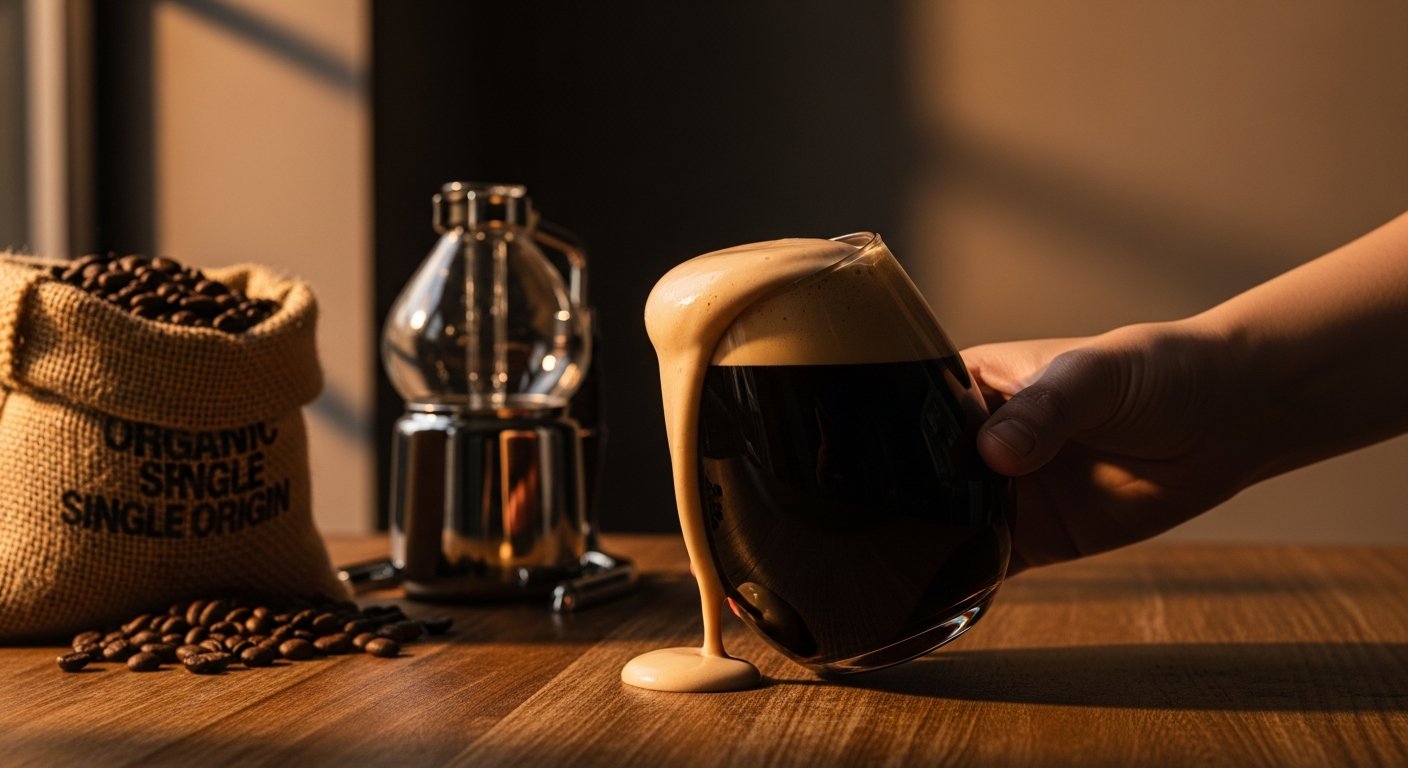
Imagine pouring a glass of coffee that looks like a dark stout, with a creamy cascading effect and a velvety mouthfeel that rivals any nitrogenated beer. That is the magic of nitro cold brew. While coffee shops charge premium prices for this indulgent drink, you can recreate it in your own kitchen with the right ingredients and a bit of patience. The key to an exceptional nitro cold brew lies in two factors: using high-quality organic single origin beans and mastering the brewing process. This article walks you through a precise, step-by-step nitro cold brew at home recipe using organic single origin coffee, ensuring you get that silky smooth, naturally sweet result every time.
Why Organic Single Origin Matters for Nitro Cold Brew
The choice of coffee bean is not just a detail; it is the foundation of your entire brew. Nitro cold brew is a concentrated coffee that you serve cold, often with no milk or sugar. The flavors are amplified because the cold extraction process highlights the bean’s inherent characteristics without the bitterness or acidity typical of hot brewed coffee. Organic single origin beans come from a specific farm or region, grown without synthetic pesticides or fertilizers. This purity allows the true flavor profile of the coffee to shine through. For example, a single origin from Ethiopia might offer bright floral and berry notes, while a Colombian bean brings chocolatey and nutty undertones. When you infuse this coffee with nitrogen gas, the creamy texture softens any remaining sharp edges, creating a harmonious drinking experience. Using organic beans also aligns with sustainable farming practices, which many coffee enthusiasts prioritize. In our guide on craft nitro cold brew at home with organic coffee, we explore how the origin and processing method affect the final cup, but for now, know that starting with organic single origin coffee elevates your homemade brew from good to exceptional.
Equipment You Need for Homemade Nitro Cold Brew
Before diving into the recipe, gather the right tools. Unlike regular cold brew, nitro cold brew requires a system to infuse the coffee with nitrogen gas. You do not need a commercial setup; several home-friendly options exist. Here is a list of essential equipment along with a brief explanation of each:
- Large glass jar or pitcher: For steeping the coffee grounds in water. A 64-ounce mason jar works well for a standard batch.
- Fine-mesh strainer or cheesecloth: To filter out the coffee grounds after steeping. A nut milk bag is also a great option.
- Nitro cold brew dispenser: This is the key piece. Options include a whipped cream canister (iSi brand) with nitrogen cartridges or a dedicated nitro cold brew keg system. For beginners, the canister method is affordable and effective.
- Nitrogen cartridges: Specifically for nitrous oxide (N2O) or nitrogen (N2). Most home setups use N2O chargers because they are widely available and work well for small batches.
- Coarse coffee grinder: A burr grinder is ideal for achieving a consistent coarse grind. Avoid blade grinders, which produce uneven particles.
Each piece of equipment plays a critical role. The jar holds the cold water and coffee during the 12 to 24 hour steep. The strainer ensures your final concentrate is clean and sediment-free. The dispenser and cartridges create the nitrogen infusion that gives the cold brew its signature creamy head and tiny bubbles. If you plan to make nitro cold brew regularly, investing in a quality dispenser pays off in consistency and ease of use.
Step-by-Step Nitro Cold Brew at Home Recipe Using Organic Single Origin
Step 1: Choose and Grind Your Coffee
Select an organic single origin coffee that you enjoy drinking as a pour-over or French press. For this recipe, you will need 1 cup of whole coffee beans. Grind them to a coarse consistency, similar to breadcrumbs or sea salt. A coarse grind is crucial because it allows for proper extraction without over-extracting bitter compounds. If your grind is too fine, the cold brew will become muddy and overly bitter. Measure out 1 cup of coarse ground coffee and set it aside.
Step 2: Combine Coffee and Water
In your large glass jar, combine the ground coffee with 4 cups of cold, filtered water. Use a ratio of 1:4 coffee to water for a concentrate that you can later dilute or serve straight. Stir gently with a wooden spoon or spatula to ensure all grounds are saturated. Avoid vigorous stirring, which can introduce too much air and lead to oxidation. Cover the jar with a lid or plastic wrap and place it in the refrigerator. Let it steep for 18 to 24 hours. The longer steep time extracts deeper flavors, but 18 hours is usually sufficient for a balanced cup.
Step 3: Filter the Concentrate
After steeping, remove the jar from the refrigerator. Place a fine-mesh strainer lined with cheesecloth over a clean bowl or pitcher. Slowly pour the coffee mixture through the strainer. Let it drip naturally; do not press on the grounds, as this can push fine particles through. Once most of the liquid has passed, discard the grounds. For an even cleaner result, strain the liquid a second time through a paper coffee filter. You should end up with a dark, rich concentrate. This concentrate can be stored in the refrigerator for up to two weeks.
Step 4: Nitrogenate and Serve
Pour the cold brew concentrate into your nitro dispenser, filling it no more than halfway to leave room for the gas. Screw on the cap and insert one nitrogen cartridge according to the manufacturer’s instructions. Shake the dispenser vigorously for about 10 seconds to dissolve the gas into the liquid. Refrigerate the dispenser for at least 2 hours, though overnight is best. The chilling time allows the nitrogen to fully integrate and stabilize. When ready to serve, hold the dispenser upside down over a glass and press the lever. You will see the liquid pour out with a thick, creamy head that cascades down the sides of the glass. Serve immediately over ice or straight. For a classic nitro experience, do not add ice; the cold temperature from the brew itself is enough.
Tips for Perfecting Your Homemade Nitro Cold Brew
Even with a solid recipe, small adjustments can make a big difference. Here are several insights to help you dial in your technique. First, water quality matters. Use filtered water to avoid chlorine or mineral off-flavors. Second, experiment with the coffee-to-water ratio. If you prefer a stronger concentrate, use a 1:3 ratio; for a milder brew, try 1:5. Third, pay attention to your grind size. If your brew tastes flat or watery, your grind might be too coarse. If it tastes bitter or overly harsh, the grind is too fine. Fourth, always use fresh beans. Coffee loses its aromatic compounds over time, and stale beans produce a dull, lifeless cold brew. Buy whole beans and grind them right before starting your batch. Finally, clean your equipment thoroughly after each use. Residue from old coffee or nitrogen cartridges can spoil the flavor of your next batch. A simple rinse with hot water and mild soap is usually sufficient, but check your dispenser’s manual for specific cleaning instructions.
Common Mistakes to Avoid
Making nitro cold brew at home is straightforward, but a few pitfalls can derail your efforts. One common error is using a fine grind, which leads to over-extraction and a gritty texture. Stick with coarse grounds. Another mistake is skipping the filtering step or using a strainer that is too loose. Sediment in your final brew will clog the dispenser and ruin the mouthfeel. Always double-strain if necessary. A third issue is not shaking the dispenser enough after charging it with nitrogen. The gas needs to be thoroughly mixed into the liquid; a quick shake might not suffice. Follow the manufacturer’s guidelines for shaking time. Additionally, do not overfill the dispenser. Leave headspace for the gas to expand and dissolve. Finally, resist the urge to speed up the process. Cold brew requires patience; rushing the steep time results in weak, under-extracted coffee. Let it sit for the full 18 to 24 hours.
Why Organic Single Origin Elevates the Experience
Returning to the bean selection, organic single origin coffee offers a distinct advantage in nitro cold brew. Because the brewing process is cold and slow, it extracts the sugars and subtle flavor compounds without the harsh acids that hot brewing brings out. This makes the coffee naturally sweet and smooth, even without added sugar or cream. When you use a single origin bean, you taste the terroir of the region: the volcanic soil of Guatemala, the lush highlands of Kenya, or the sun-drenched hills of Brazil. The nitrogen infusion adds a creamy texture that complements these flavors without masking them. For coffee purists, this is the ultimate way to appreciate a bean’s character. Moreover, organic certification ensures that the coffee was grown in a way that supports biodiversity and farmer health. By choosing organic, you are voting for a more sustainable coffee industry. This ethical dimension adds to the enjoyment of every sip.
Variations to Try With Your Base Recipe
Once you master the basic nitro cold brew at home recipe using organic single origin coffee, feel free to experiment. You can add flavor during the steeping process. For example, place a cinnamon stick or a few vanilla beans in the jar with the coffee and water. Steep as usual, then strain. The resulting cold brew will have subtle spice notes. Another variation is to use a blend of single origin beans. Mix Ethiopian and Colombian beans in equal parts for a complex flavor profile. For a dessert-like treat, add a splash of oat milk or a dash of cocoa powder before nitrogenating. If you prefer a lower caffeine option, use a blend that includes some decaffeinated beans. Just remember that decaf beans often require a slightly longer steep time to extract full flavor. Each variation lets you customize the brew to your taste while keeping the core technique intact.
Nitro cold brew is more than a trendy coffee drink; it is a testament to how science and art combine to create something extraordinary. By using organic single origin beans and following this recipe, you gain control over every variable, from bean origin to nitrogen infusion level. The result is a beverage that rivals any coffee shop offering, made fresh in your own kitchen. Enjoy the process, experiment with different beans, and share your creations with friends. Once you taste your first homemade nitro cold brew, you will never look at iced coffee the same way again.