
Coffea Co Fermentation Fruit Hops Yeast Processing Guide
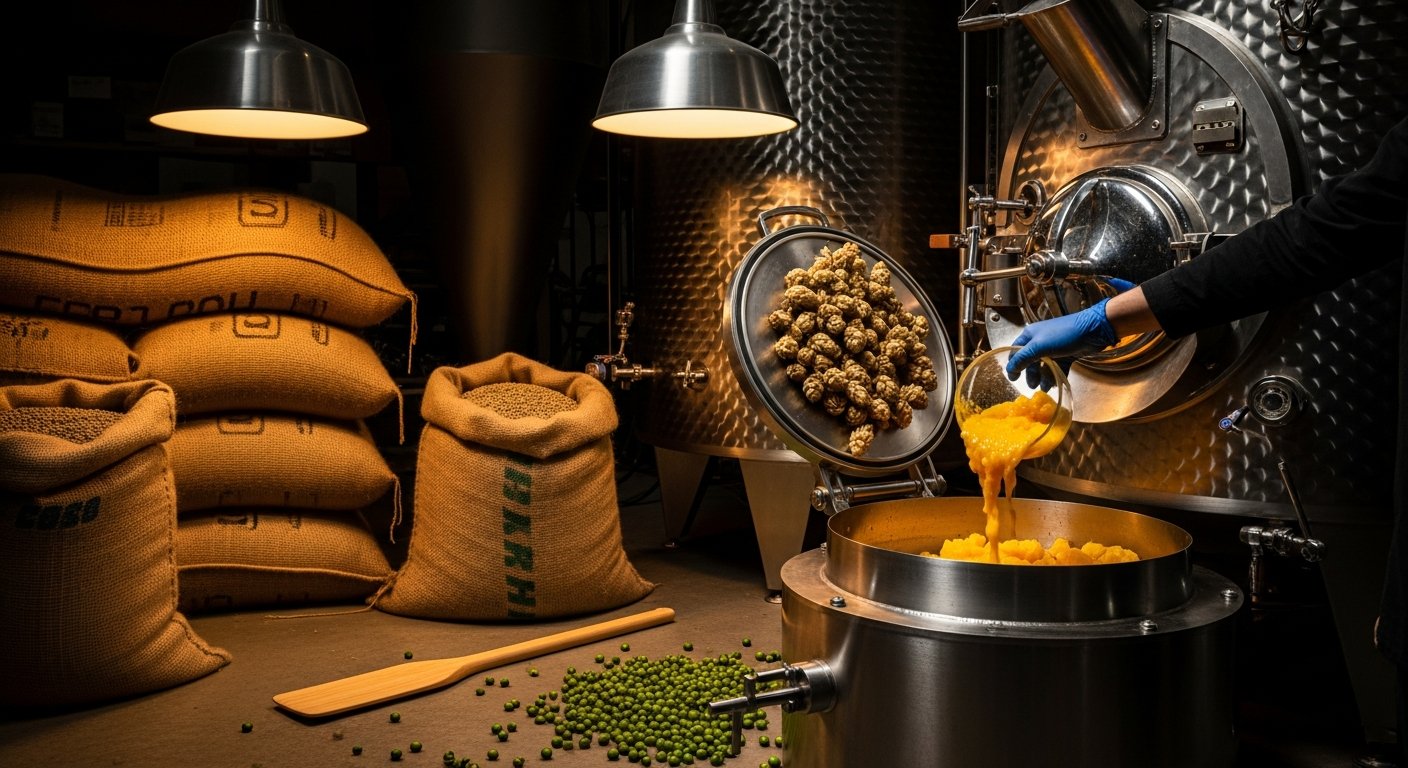
The world of specialty coffee is undergoing a quiet revolution. Roasters and producers are borrowing techniques from winemaking, brewing, and even kombucha fermentation to create flavor profiles that were unimaginable a decade ago. At the heart of this movement lies a specific method: coffee co fermentation fruit hops yeast processing. This technique involves adding fruit, hops, or specific yeast strains to green coffee beans during the fermentation stage, allowing microbial activity to transform the bean’s chemical structure. The result is a cup that can taste like a tropical fruit bomb, a hoppy IPA, or a winey, complex brew. For baristas and home brewers seeking novelty, this processing method offers a new frontier. But it also raises questions about consistency, terroir, and the very definition of specialty coffee. In this guide, we will break down what co fermentation is, how fruit and hops play a role, the science of yeast, and how you can evaluate or even experiment with these beans.
What Is Coffee Co Fermentation?
Co fermentation is a controlled fermentation process where green coffee beans are placed in sealed tanks or bags with additional ingredients such as fruit puree, hop cones, or cultivated yeast strains. Unlike traditional wet or dry processing, which relies on naturally occurring microbes, co fermentation introduces external substrates to steer the flavor outcome. The term “co” refers to the simultaneous fermentation of coffee with another ingredient. This method is distinct from infused coffees, where flavors are added after fermentation. In co fermentation, the added ingredients participate in the microbial breakdown of the mucilage, altering sugar and acid profiles. The result is a bean that absorbs volatile compounds from the fruit or hops, creating a flavor that is both intrinsic and additive. Producers often use this technique to emphasize certain tasting notes. For example, adding raspberry puree can amplify berry notes, while hops can introduce floral or citrus characteristics. This process requires careful monitoring of temperature, pH, and time, as over-fermentation can lead to off-flavors or spoilage.
The Role of Fruit in Co Fermentation
Fruit is the most common co fermentation ingredient because it provides natural sugars, acids, and aromatic compounds that interact with coffee’s own chemistry. Producers may use whole fruit, puree, or juice from sources like mango, pineapple, cherry, or passion fruit. The sugar content of the fruit feeds the yeast or bacteria present, accelerating fermentation and producing esters that smell like ripe fruit. The acidity of the fruit can also lower the pH of the fermentation environment, which influences enzyme activity and the final cup’s brightness. One popular technique is to add fruit pulp to coffee cherries after pulping, then ferment the mixture together. This method is sometimes called “fruit maceration.” The fruit contributes both flavor and body, often resulting in a winey, juicy cup. However, the quality of the fruit matters. Overripe or damaged fruit can introduce unwanted bacteria. Producers must balance the fruit-to-coffee ratio to avoid overwhelming the coffee’s inherent characteristics. For instance, a delicate Gesha variety might be overshadowed by a strong mango puree, while a robust Robusta can handle bolder fruit additions. In our exploration of coffee cultural significance across origin countries and history, we see how traditional methods like natural processing already rely on fruit sugars. Co fermentation is a modern extension of that ancient practice.
Fruit Selection and Flavor Outcomes
Choosing the right fruit is critical. Here are three common fruit choices and their typical effects on the final cup:
- Mango: Adds tropical sweetness, notes of stone fruit, and a creamy body. Often used with washed Ethiopian or Colombian beans to elevate fruitiness.
- Pineapple: Contributes bright acidity, a touch of tartness, and a fermented, wine-like character. Works well with light roasts.
- Cherry or Berry: Enhances red fruit flavors, adds complexity, and can soften bitterness. Common with Central American coffees.
These fruit additions are typically used at a ratio of 5-20% of the coffee weight, depending on the desired intensity. Producers often experiment with blends, such as mango and pineapple, to create layered flavor profiles. The fruit must be fresh and free of pesticides to avoid contaminating the fermentation. After fermentation, the fruit residue is washed off, and the beans are dried to a stable moisture content. The final cup should smell and taste of the fruit, but with coffee’s characteristic structure.
Hops in Coffee Fermentation: A Bold Experiment
Hops, the flowers used in beer brewing, are a more recent addition to coffee fermentation. They bring bitterness, floral notes, and a distinctive aroma that mimics IPA beer. Hops contain alpha acids and essential oils that can survive the fermentation process if added correctly. In coffee co fermentation, hops are usually added in pellet or whole cone form during the final stages of fermentation. The goal is not to make coffee taste like beer, but to impart hoppy notes such as grapefruit, pine, or herbal character. This technique appeals to drinkers who enjoy both coffee and craft beer. However, hops can clash with coffee’s natural flavors if used excessively. The bitterness from hops can also mask the coffee’s origin characteristics. Therefore, many producers use low-alpha-acid hops like Citra or Mosaic, which are known for their fruity rather than bitter profiles. The fermentation time with hops is typically shorter, around 12-24 hours, to avoid extracting too much bitterness. After fermentation, the hops are removed, and the beans are dried. The resulting cup often has a pronounced floral aroma and a crisp finish. Some roasters describe it as “a cup that tastes like a hazy IPA.” This method is still niche, but it is gaining traction in experimental roasting circles.
The Science of Yeast in Coffee Processing
Yeast is the engine of fermentation. In coffee co fermentation, selected yeast strains are added to control the fermentation pathway. Common strains include Saccharomyces cerevisiae (brewer’s yeast) and non-Saccharomyces varieties like Torulaspora delbrueckii. These yeasts consume sugars and produce ethanol, carbon dioxide, and flavor-active compounds such as esters, phenols, and higher alcohols. The choice of yeast strain directly influences the cup’s aroma and mouthfeel. For example, a wine yeast like Lalvin EC-1118 produces clean, neutral fermentation, allowing fruit flavors to shine. In contrast, a beer yeast like SafAle US-05 can produce fruity esters that complement hop additions. The yeast is typically rehydrated and added to a fermentation tank containing coffee beans, water, and fruit or hops. The temperature is held between 20-30 degrees Celsius (68-86 degrees Fahrenheit) for 24-72 hours. The pH drops as fermentation proceeds, which can help extract certain compounds from the coffee seed. Yeast also competes with unwanted bacteria, reducing the risk of spoilage. However, yeast fermentation requires precise control. Too high a temperature can produce fusel alcohols, which taste like solvent. Too low a temperature can stall fermentation. Producers often use hydrometers or pH meters to monitor progress. After fermentation, the beans are rinsed and dried. The yeast is killed during roasting, but the flavor compounds remain.
Key Parameters for Yeast Fermentation
If you are considering experimenting with yeast in coffee co fermentation, pay attention to these three factors:
- Temperature: Keep the slurry between 22-28 degrees Celsius. Use a temperature-controlled fermentation vessel if possible. Fluctuations above 30 degrees risk off-flavors.
- Yeast Nutrition: Add yeast nutrient (e.g., diammonium phosphate) to ensure healthy fermentation, especially if the fruit puree is low in free amino nitrogen.
- Time: Start with a 48-hour fermentation, then taste the beans for desired flavor development. Over-fermentation can lead to sour or meaty notes.
These parameters are starting points. Each coffee variety and fruit combination may require adjustments. Keeping a fermentation log helps refine the process over time.
Evaluating Co Fermented Coffees
When cupping a coffee that has undergone fruit-hops-yeast co fermentation, approach it with an open mind. The aroma is often the most striking difference. You might smell ripe strawberries, hop flowers, or even a hint of wine. The flavor can be intense, with a sweetness that lingers on the palate. However, these coffees can sometimes taste “artificial” or “overly manipulated” to purists. The key is to assess whether the added ingredients enhance or mask the coffee’s origin character. A well-executed co fermentation should still allow the bean’s inherent qualities to show through. Look for balance between the coffee’s acidity, body, and the added flavors. The finish should be clean, not sticky or cloying. Also, consider the roast level. Lighter roasts tend to preserve the delicate fermentation notes, while darker roasts can mute them. Many roasters recommend brewing co fermented coffees as filter coffee (pour-over or Aeropress) to highlight their complexity. Espresso can work, but the high pressure may mute some of the subtle fermentation aromatics. When buying, ask the roaster about the specific ingredients and fermentation time. Transparency is a good sign of quality.
Challenges and Criticisms
Co fermentation is not without controversy. Some industry professionals argue that it distracts from the true expression of the coffee’s terroir. They worry that heavy fruit or hop additions can mask defects in the green bean or allow producers to pass off low-quality coffee as specialty. There is also the issue of consistency. Because each batch of fruit or hops has variable ripeness and chemical composition, replicating a flavor profile from one harvest to the next is difficult. Additionally, the process adds cost. Fruit puree, hops, and yeast strains are expensive, and the risk of fermentation failure means higher losses. For small producers, this can be a financial gamble. On the consumer side, there is the question of labeling. Should a coffee that has been co fermented with mango puree be labeled as “mango-infused” or simply as a “natural processed” coffee? There is no universal standard yet. The Specialty Coffee Association (SCA) has not issued specific guidelines for co fermentation, although they do have standards for processing methods. As the technique matures, the industry will likely develop clearer definitions. For now, buyers should rely on trust and direct relationships with producers.
Practical Tips for Home Experimentation
If you are a home barista or small roaster interested in trying coffee co fermentation fruit hops yeast processing, start small. Use 500 grams of green coffee (washed beans work best because they have a clean canvas). Choose a fruit puree that complements the coffee’s natural profile. For example, pair a bright Kenyan with passion fruit or a chocolatey Brazilian with cherry. Add the puree at 10% of the coffee weight. Rehydrate a wine yeast (like EC-1118) according to package instructions. Mix the coffee, puree, yeast, and enough water to cover the beans in a food-grade bucket. Seal the bucket with an airlock to allow CO2 to escape without letting oxygen in. Ferment at 24 degrees Celsius for 48 hours, stirring once at 24 hours. After fermentation, rinse the beans thoroughly with clean water. Dry them on a mesh screen in a shaded, ventilated area until they reach 11-12% moisture content (about 5-7 days). Then roast them as you normally would. The first batch may not be perfect, but it will teach you about the process. Document everything: temperature, pH, aroma changes, and final cup notes. Over time, you can adjust ratios and ingredients to create a signature profile.
In summary, coffee co fermentation fruit hops yeast processing is a powerful tool for flavor innovation. It bridges the gap between coffee, wine, and beer traditions. While it challenges conventional notions of purity, it also opens new possibilities for sensory exploration. Whether you are a producer, roaster, or drinker, understanding this method adds depth to your appreciation of what coffee can be. As the specialty industry evolves, co fermentation will likely become a standard offering, just as anaerobic fermentation has in recent years. The key is to approach it with curiosity and rigor, respecting both the science and the craft.