
Coffee Cultural Significance Across Origin Countries and History
Every morning, billions of people reach for a cup of coffee. This simple ritual connects them to a global story spanning over a thousand years. Coffee is more than a caffeine delivery system. It is a cultural force that has shaped economies, social movements, and daily life in nearly every country. Understanding coffee cultural significance origin countries history reveals why this humble bean commands such devotion.
The journey begins in the highlands of Ethiopia, where legend credits a goat herder named Kaldi with discovering the energizing effects of coffee berries. From those ancient forests, coffee spread across the Red Sea to Yemen, then to the Ottoman Empire, Europe, and the Americas. Each region adopted coffee and made it their own, creating distinct traditions that persist today.
The Birthplace of Coffee: Ethiopia and Yemen
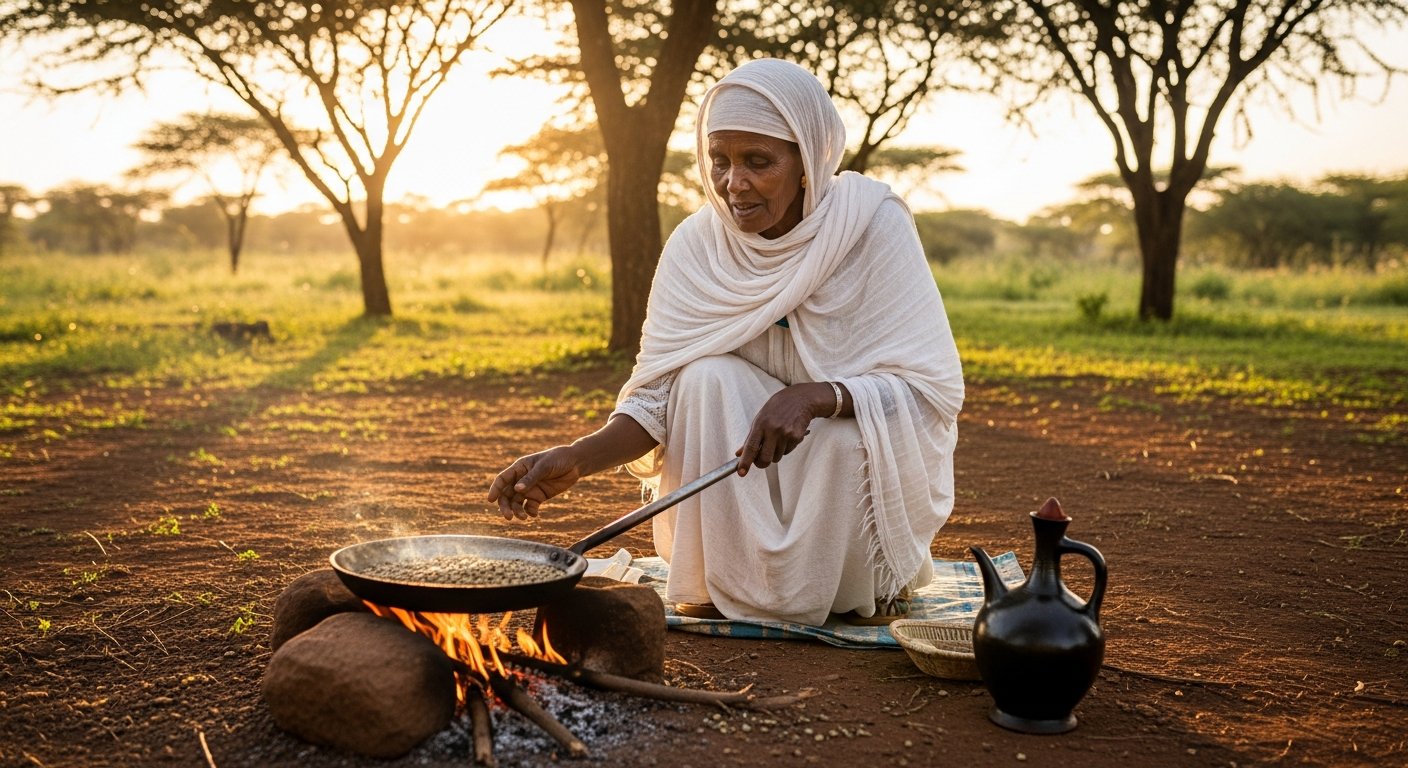
Ethiopia holds the genetic birthplace of coffee. The country produces some of the most diverse and complex coffee varieties in the world. Coffee ceremonies in Ethiopia are elaborate, multi-hour affairs involving roasting green beans over an open flame, grinding them with a mortar and pestle, and brewing in a clay pot called a jebena. This tradition emphasizes hospitality and community.
Across the Red Sea, Yemen became the first country to cultivate coffee commercially. By the 15th century, Sufi monks in Yemen were drinking qahwa (coffee) to stay awake during nighttime devotions. The port of Mocha (Al Mokha) gave its name to the world’s favorite coffee-chocolate drink. Yemen’s terraced mountainsides produced beans with a distinctive winey, wild flavor that remains highly prized.
The Spread Through the Islamic World
From Yemen, coffee traveled to Mecca, Cairo, and Istanbul. Coffeehouses, known as qahveh khaneh, emerged across the Ottoman Empire. These were not just places to drink coffee. They became centers for conversation, music, chess, and political debate. Rulers sometimes tried to ban coffeehouses for fear of dissent, but the popularity of coffee always prevailed.
The Ottoman method of preparation – finely ground coffee boiled with sugar and cardamom – created the thick, unfiltered brew known as Turkish coffee. This style spread throughout the Balkans, the Middle East, and North Africa. It remains a UNESCO-recognized intangible cultural heritage of Turkey.
Coffee Enters Europe: The Age of Enlightenment
European travelers encountered coffee in the Ottoman Empire and brought it home. The first coffeehouses opened in Venice in 1645, then in Oxford, London, Paris, and Vienna. These establishments became known as penny universities because for the price of a cup, a person could engage in learned conversation.
Coffeehouses in London became hubs for merchants, writers, and scientists. Lloyd’s of London began as a coffeehouse where ship owners and insurers met to negotiate maritime insurance. In our guide on Roasting by Altitude: Coffee Bean Density Profile Guide, we explain how elevation affects flavor development. This scientific curiosity reflects the Enlightenment spirit that coffeehouses helped foster.
By the 18th century, European colonial powers had established coffee plantations in their tropical colonies. The Dutch grew coffee in Java (Indonesia). The French cultivated it in Martinique and Haiti. The Portuguese introduced it to Brazil. This colonial expansion transformed coffee from a luxury for the elite into a global commodity.
Coffee in the Americas: Plantations and Revolution
Brazil became the world’s largest coffee producer by the 19th century, relying heavily on enslaved labor. The coffee boom shaped Brazilian society, politics, and infrastructure. After slavery was abolished in 1888, European immigrants, particularly Italians, replaced enslaved workers on coffee farms. This migration profoundly influenced Brazilian coffee culture and the development of espresso.
In Colombia, coffee cultivation took a different path. Small family farms, often in the Andean mountains, produced high-quality Arabica beans. The fictional character Juan Valdez, introduced in 1958, personified the hardworking Colombian coffee farmer. Colombian coffee became synonymous with consistent quality and mild flavor.
Central American countries like Costa Rica, Guatemala, and Honduras also developed strong coffee traditions. These nations often established coffee institutes to regulate quality and support farmers. The result is a diverse range of flavor profiles, from bright and fruity to chocolatey and nutty.
Modern Coffee Culture: The Third Wave
The late 20th and early 21st centuries saw a dramatic shift in coffee culture. The term Third Wave, coined by Trish Rothgeb in 2002, describes a movement that treats coffee as an artisanal product, similar to wine or craft beer. This movement emphasizes single-origin beans, light roasting, and precise brewing methods.
Specialty coffee shops now compete on the quality of their espresso, the skill of their baristas, and the transparency of their supply chains. Consumers increasingly want to know where their coffee comes from and how it was produced. This demand has driven improvements in farming practices and farmer compensation.
The cultural significance of coffee today includes:
- Social ritual: Morning coffee routines and coffee breaks remain essential for millions of workers.
- Economic driver: Coffee supports 25 million farming families worldwide.
- Health and wellness: Research links moderate coffee consumption to reduced risk of several diseases.
- Sustainability: Movements like shade-grown, organic, and fair-trade coffee address environmental and social concerns.
- Craft and science: Home baristas experiment with pour-over methods, espresso tuning, and latte art.
Each of these elements reflects the deep integration of coffee into modern life. The ritual of brewing and sharing coffee transcends mere consumption.
Regional Coffee Traditions Worth Knowing
Different countries have developed unique ways of preparing and enjoying coffee. Italy gave the world espresso, cappuccino, and the culture of the coffee bar. Swedes practice fika, a daily coffee and pastry break that emphasizes slowing down and connecting with others. Vietnamese coffee uses sweetened condensed milk and robusta beans, served over ice or hot.
In Japan, pour-over brewing using a dripper and paper filter became an art form. The Hario V60, invented in Japan, is now used by specialty coffee enthusiasts worldwide. Japanese kissaten (traditional coffee shops) serve meticulously prepared coffee with an emphasis on hospitality and atmosphere.
Australia and New Zealand developed the flat white, a drink that balances espresso and steamed milk with a thin layer of microfoam. This drink has become a global standard, especially in specialty coffee shops. The Aussie brunch culture, centered around good coffee and fresh food, has influenced cafes from London to Tokyo.
The Future of Coffee Culture
Climate change poses the greatest threat to coffee production. Rising temperatures, unpredictable rainfall, and new pests are making it harder to grow Arabica coffee in traditional regions. Farmers are experimenting with more resilient varieties, shade management, and relocation to higher altitudes.
Technology is also transforming coffee culture. Smart coffee makers, app-controlled espresso machines, and subscription services bring specialty coffee into more homes. Traceability tools like blockchain allow consumers to scan a QR code and learn the exact farm where their coffee was grown.
Despite these changes, the core of coffee culture remains unchanged. Coffee brings people together. It fuels conversations, marks the start of the day, and provides a moment of pause. The coffee cultural significance origin countries history continues to evolve, but the human connection to this remarkable bean endures.