
Coffee Brewing Methods Comparison: Flavor, Body, Acidity
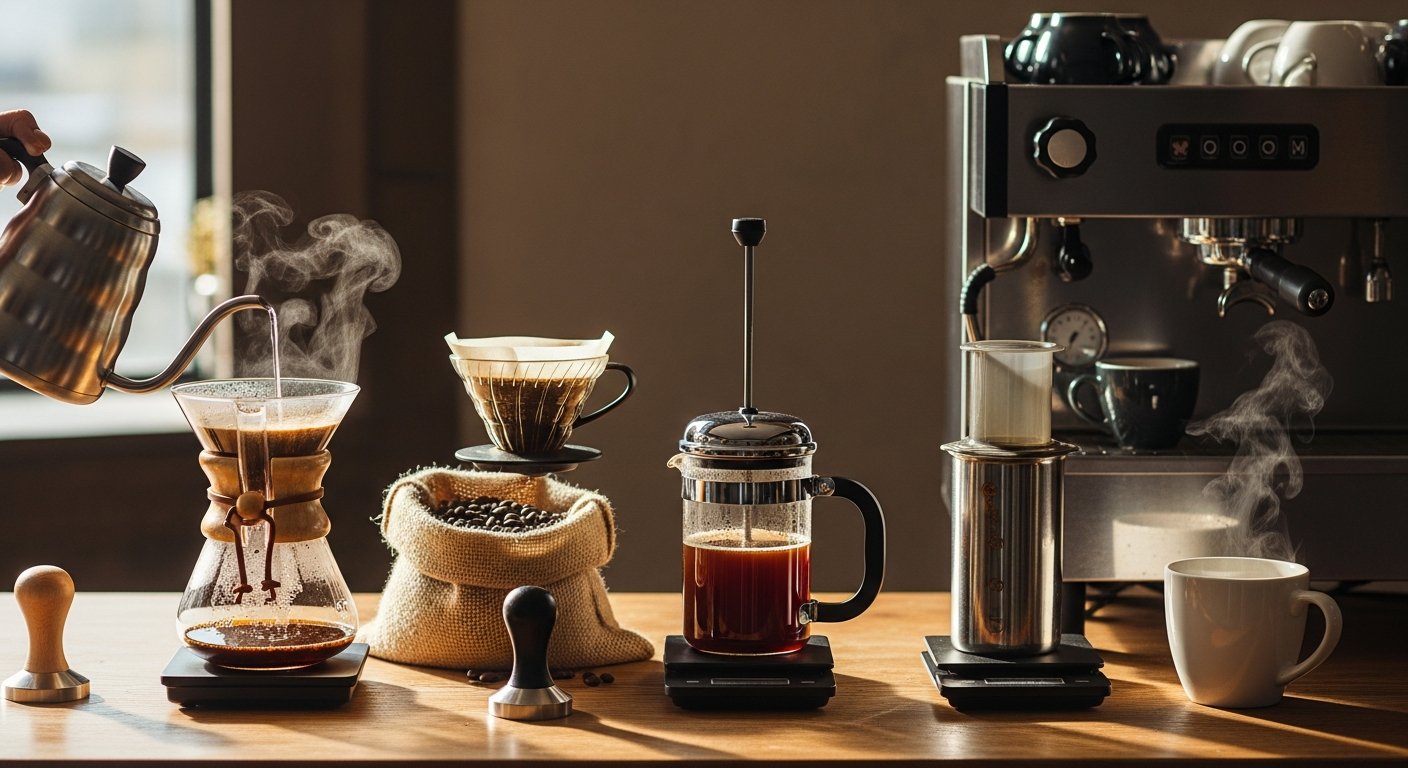
Choosing a coffee brewing method often feels like picking a favorite song. Each one has a distinct rhythm, a unique character, and a way of revealing different notes from the same bean. For anyone serious about their morning cup, understanding how brewing methods affect flavor, body, and acidity is the key to unlocking a consistently satisfying experience. This coffee brewing methods comparison flavor body acidity guide will help you match your equipment to your taste preferences, whether you crave a bright, crisp cup or a heavy, chocolatey brew.
The three pillars of coffee tasting are flavor (the aromatic profile, from fruity to nutty), body (the weight or mouthfeel, from tea-like to syrupy), and acidity (the bright, tangy sensation, often described as sparkle or sharpness). Different brewing techniques extract these compounds at varying rates and ratios. The grind size, water temperature, contact time, and pressure all play a role. By the end of this article, you will know exactly which method delivers the profile you love most.
The Pour-Over Method: Clarity and Brightness
Pour-over brewing, often done with a V60 or Chemex, is the gold standard for highlighting delicate, nuanced flavors. The process involves pouring hot water over a bed of coffee grounds in a filter, letting gravity pull the extraction through. Because the water passes through the grounds relatively quickly and the paper filter traps oils and fine particles, the resulting cup is exceptionally clean.
In terms of this coffee brewing methods comparison flavor body acidity profile, pour-over excels at showcasing high acidity and complex flavor notes. You will taste floral, fruity, or wine-like characteristics with pronounced brightness. The body is typically light to medium, similar to tea. This method is ideal for light-roasted single-origin beans where you want to taste the origin’s unique terroir. For example, a Kenyan coffee brewed as a pour-over will burst with citrus and berry acidity, while the same bean brewed with a different method might taste muddled.
To master pour-over, use a medium-fine grind and water just off the boil (around 200-205 degrees Fahrenheit). The total brew time should be about 2.5 to 4 minutes. The key variable is your pour technique: a slow, circular pour ensures even saturation and prevents channeling, where water cuts through the grounds without extracting fully.
French Press: Full Body and Richness
The French press is the opposite of pour-over in nearly every way. It uses a coarse grind, a long steep time (4 minutes), and a metal mesh filter that allows coffee oils and fine sediment to pass through. This immersion method keeps the grounds in contact with water for the entire brew cycle, extracting heavier compounds that contribute to a thick, velvety body.
When evaluating coffee brewing methods comparison flavor body acidity, the French press delivers a low-acidity, high-body experience. The oils mute some of the bright, sharp notes, resulting in a smooth, almost buttery mouthfeel. Flavor is often described as bold, chocolatey, or nutty. This method works exceptionally well with medium to dark roasts, where you want to emphasize caramel, cocoa, or toasted notes rather than fruitiness.
One downside is that the cup can be muddy if you do not decant it promptly after steeping. Over-steeping leads to bitter, over-extracted flavors. A pro tip is to use a ratio of 1:15 coffee to water (about 4 tablespoons per 8-ounce cup) and pour the finished brew into a separate carafe to stop extraction. The French press is forgiving for beginners because it does not require a gooseneck kettle or precise pour technique.
Espresso: Concentrated Complexity
Espresso is a completely different brewing philosophy. It forces hot water through a finely-ground, tamped puck of coffee under high pressure (9 bars). The result is a small, concentrated shot with a thick layer of crema on top. The extraction happens in 25-30 seconds, making it one of the fastest methods, but also one of the most demanding in terms of precision.
In a coffee brewing methods comparison flavor body acidity context, espresso is the champion of body. The pressure emulsifies the coffee oils into a syrupy, almost creamy consistency. Acidity is present but often balanced by sweetness and bitterness. Flavor is intensely concentrated: you get a full spectrum of notes, from dark chocolate to red fruit, all in a single sip. The crema adds a velvety texture and a lingering finish that no other method can replicate.
Espresso is not just for straight shots. It forms the base for lattes, cappuccinos, and americanos. However, it requires a dedicated machine and a good grinder. The grind must be fine enough to create resistance, and the tamp must be level and consistent. Dialing in a new coffee can take several attempts, but the reward is a deeply satisfying, complex beverage.
AeroPress: Versatile and Fast
The AeroPress is a hybrid method that combines immersion and pressure, but unlike espresso, the pressure is generated by hand. You steep coffee grounds in hot water for a short time (1-2 minutes), then press the mixture through a paper micro-filter using a plunger. The result is a clean, smooth cup with low bitterness.
When you conduct a coffee brewing methods comparison flavor body acidity, the AeroPress falls somewhere between pour-over and French press. It produces a medium body with moderate acidity, depending on your recipe. The paper filter removes most oils, so the body is lighter than French press but heavier than pour-over. Flavor is exceptionally clean and balanced. Because the brew time is short, you get bright notes without harshness.
The AeroPress is incredibly versatile. You can adjust grind size, water temperature, and steep time to mimic different profiles. For example, a longer steep (2.5 minutes) with a finer grind yields a stronger, fuller-bodied cup. A shorter steep with a coarser grind produces a tea-like brew. It is portable, durable, and easy to clean, making it a favorite for travel and camping.
Cold Brew: Smooth and Low-Acid
Cold brew is made by steeping coarse coffee grounds in cold water for 12-24 hours. The lack of heat extracts different chemical compounds than hot brewing. Specifically, cold water extracts fewer acids and bitter tannins, resulting in a smooth, sweet, and low-acidity concentrate.
In this coffee brewing methods comparison flavor body acidity, cold brew is the extreme low-acid option. The body is heavy and silky, almost like a stout beer. Flavor notes are muted compared to hot brewing; you get chocolate, caramel, and nutty tones rather than bright fruit. The concentrate is typically diluted with water or milk before drinking.
Cold brew is ideal for people with sensitive stomachs or those who prefer a non-bitter iced coffee. It is also forgiving: grind size does not need to be perfect, and steep time can vary by several hours without ruining the batch. The main downside is the long preparation time, but the result is a smooth, refreshing beverage that can be stored in the refrigerator for up to two weeks.
Moka Pot: Strong and Bold
The Moka pot, also known as a stovetop espresso maker, brews by passing steam-pressurized water through a bed of coffee grounds. It produces a strong, concentrated coffee that is thicker than drip but not as dense as espresso. It is a popular method in Italy and many other countries.
Evaluating coffee brewing methods comparison flavor body acidity, the Moka pot delivers a heavy body with moderate to high bitterness. Acidity is low because the high temperature and pressure extract bold, dark flavors. The result is an intense, almost smoky cup that works well with dark roasts. It is excellent for making milk-based drinks like lattes or for adding to cocktails.
To avoid a burnt taste, use a medium grind (not as fine as espresso) and fill the basket level without tamping. Use hot water in the bottom chamber to reduce the time the coffee sits on the heat. Remove the pot from the stove as soon as the brewing sound changes to a gurgle, indicating the water is nearly gone.
Practical Decision Framework
To simplify this coffee brewing methods comparison flavor body acidity analysis, here is a quick-reference list based on your priorities:
- For maximum clarity and bright acidity: Choose pour-over (V60 or Chemex). Best for light roasts and single-origin beans.
- For full body and low acidity: Choose French press. Best for dark roasts and a rich, heavy mouthfeel.
- For concentrated complexity and syrupy body: Choose espresso. Requires investment in equipment but rewards with intense flavor.
- For versatility and balance: Choose AeroPress. Great for travel and experimenting with recipes.
- For smooth, sweet, and low-acid coffee: Choose cold brew. Perfect for iced coffee and sensitive stomachs.
- For strong, bold, and bitter coffee: Choose Moka pot. Ideal for dark roasts and milk drinks.
Each method also pairs differently with roast levels. Light roasts shine in pour-over and AeroPress because their delicate acidity is preserved. Medium roasts perform well across all methods, though they reach peak sweetness in a French press. Dark roasts benefit from the Moka pot or espresso, where their bitterness becomes an asset rather than a flaw.
How to Choose Your First Method
If you are new to manual brewing, start with the AeroPress or a simple pour-over cone. They are inexpensive, easy to learn, and forgiving of small mistakes. As you develop your palate, you can explore the French press for richer body or espresso for concentrated shots. The best method is the one that fits your morning routine and delivers the flavor profile you enjoy most.
Remember that water quality matters. Use filtered water to avoid off-flavors from chlorine or minerals. Also, invest in a burr grinder. Consistent grind size is more important than the brewing method itself. A $20 blade grinder will ruin even the best beans, while a decent burr grinder can elevate a cheap coffee.
For a deeper look at how coffee origin influences taste, see our guide on Coffee Regions Flavor Profiles: Africa, Americas, Asia. Understanding where your beans come from helps you predict how they will taste with each brewing method.
Ultimately, the perfect cup is subjective. This coffee brewing methods comparison flavor body acidity framework gives you the tools to experiment intelligently. Try the same bean with two different methods side by side. Notice how the acidity changes, how the body shifts, and which flavors come forward. That practice will teach you more than any article can. Enjoy the journey of discovery one cup at a time.