
Emerging Coffee Regions Reshape Specialty Market 2026
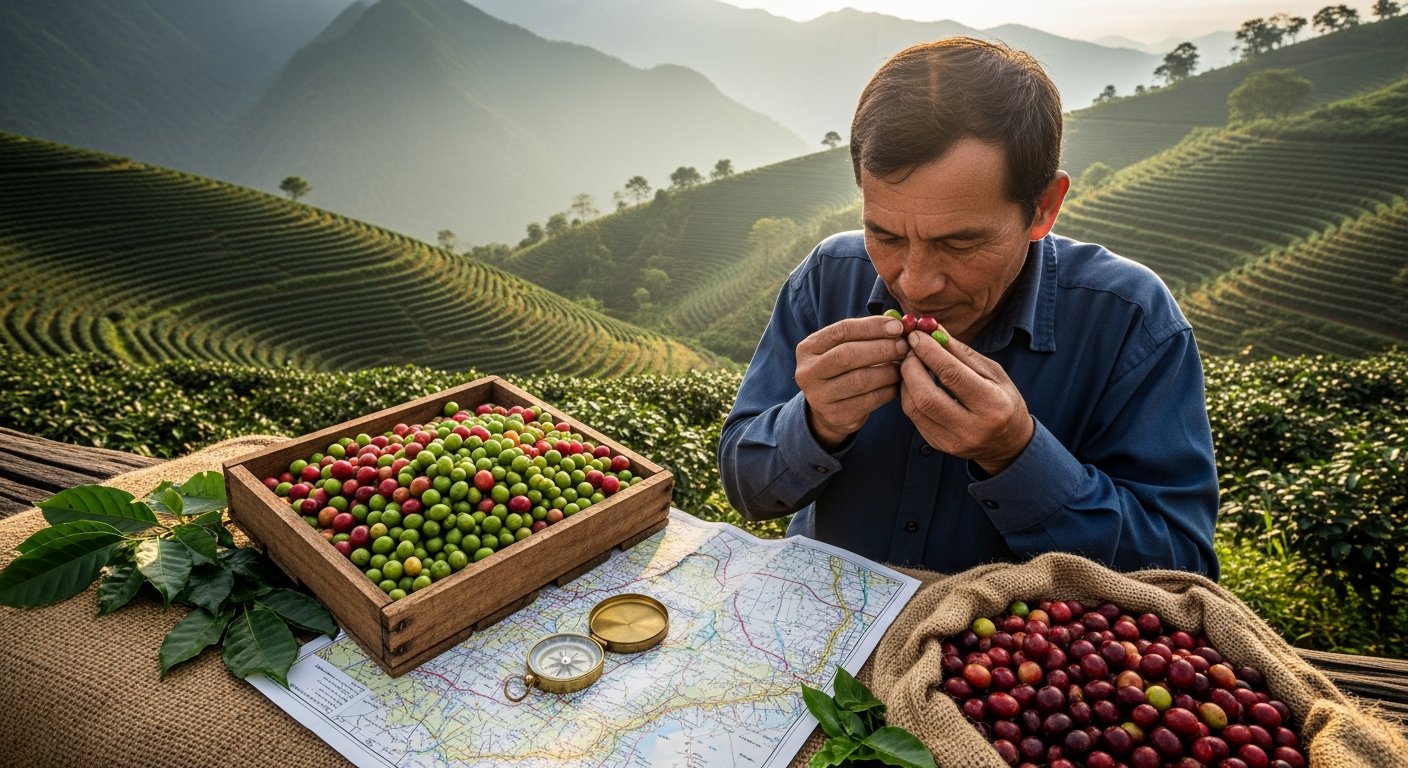
The global coffee landscape is shifting beneath our feet. For decades, specialty coffee buyers have looked to familiar origins: Ethiopia, Colombia, Kenya, and Brazil. But by 2026, the specialty market will be dramatically different. New growing regions are emerging from obscurity, driven by climate change, innovative farming techniques, and a relentless search for unique flavor profiles. These regions are not just curiosities; they are becoming essential sources for roasters and consumers who want distinct, traceable, and sustainable beans. Understanding these shifts is critical for anyone involved in the coffee supply chain, from importers to home baristas.
Why New Coffee Origins Matter for the 2026 Market
The specialty coffee industry thrives on differentiation. Roasters compete to offer the most unique single-origin lots, and consumers increasingly seek stories behind their morning brew. The emerging coffee regions specialty market 2026 is defined by three major drivers: climate adaptation, economic opportunity for new producers, and the demand for novel flavor experiences. Traditional coffee belts are experiencing rising temperatures and unpredictable rainfall, pushing arabica cultivation to higher altitudes or entirely new latitudes. Countries once dismissed as unsuitable for fine coffee are now producing award-winning lots. This is not a passing trend; it is a fundamental restructuring of global coffee production.
Consider the implications for supply chain resilience. As major producers like Vietnam and Brazil face weather volatility, diversifying sourcing to emerging regions reduces risk for roasters. It also creates economic uplift in developing nations that were previously locked out of the high-value specialty market. For the consumer, it means access to flavors that challenge the palate: tea-like florals from northern Thailand, winey fruit bombs from China’s Yunnan province, and creamy chocolates from Uganda’s revitalized estates. The specialty market in 2026 will look more like a mosaic of micro-origins than a map dominated by a few powerhouse countries.
Top Emerging Coffee Regions to Watch
While dozens of new origins are gaining traction, a handful stand out due to quality, infrastructure investment, and market presence. These regions are already appearing on cafe menus and in competition lineups. Below is a breakdown of the most promising emerging coffee regions specialty market 2026 participants.
Yunnan Province, China
China has quietly become one of the most exciting coffee frontiers. Yunnan, bordering Myanmar, Laos, and Vietnam, has a long history of tea cultivation, but coffee is now a strategic crop. The province produces mostly arabica, with altitudes ranging from 1,000 to 1,600 meters. Investment from the Chinese government and private players has built washing stations, drying patios, and cupping labs. The result? Clean, balanced coffees with notes of honey, green apple, and jasmine. In 2026, Yunnan will likely be a regular feature in specialty roasters’ catalogs, especially for those seeking Asian-origin alternatives to Indonesia or India.
One challenge remains: land ownership restrictions for foreign buyers. However, partnerships with local cooperatives are growing, and transparency is improving. Roasters who engage directly with Yunnan producers often find exceptional microlots at competitive prices. The region also benefits from a domestic market that is rapidly developing a taste for specialty coffee, creating a dual demand that incentivizes quality.
Northern Thailand
Thailand’s coffee story is split between robusta in the south and arabica in the north. The northern highlands, particularly Chiang Mai and Chiang Rai, have undergone a remarkable transformation. Once a center for opium poppy cultivation, the region now produces some of Asia’s most distinctive specialty coffees. Farmers have adopted processing methods like honey and natural, which amplify the intrinsic sweetness and fruitiness of the beans. Expect flavors of lychee, black tea, and dark chocolate. The emerging coffee regions specialty market 2026 will feature Thailand as a reliable source for experimental processing and heirloom varieties like Typica and Bourbon.
The Thai government and royal projects have provided substantial support, including training in cupping and farm management. This has led to consistent quality improvements. For buyers, Thailand offers logistical advantages over more remote origins: good roads, reliable electricity, and proximity to major airports. The main hurdle is volume, as most farms are smallholders with less than two hectares. But for micro-roasters, this is a perfect fit.
Uganda’s Specialty Renaissance
Uganda has long been a robusta powerhouse, but its arabica sector is undergoing a renaissance. The Rwenzori Mountains and Mount Elgon regions produce coffees with rich body, bright acidity, and complex fruity notes. The Uganda Coffee Development Authority has aggressively promoted specialty production, including training in post-harvest handling and direct trade connections. In 2026, Uganda will be a key player in the African specialty scene, challenging Ethiopia and Kenya for attention. The flavors are distinct: think blackberry, dark chocolate, and a winey finish.
The main challenge is infrastructure. Processing facilities are improving but still lag behind East African neighbors. However, the potential is enormous. Land is available, labor costs are low, and the genetic diversity of coffee varieties is high. Roasters who invest in long-term relationships with Ugandan cooperatives often find exceptional value and the ability to influence quality improvements directly.
Myanmar’s Emerging Arabica Sector
Myanmar, formerly Burma, is slowly emerging from decades of isolation. Its coffee sector is small but vibrant, centered on the Shan State highlands. The arabica grown here is often described as having delicate florals, citrus, and a clean finish. Political instability has hampered growth, but dedicated importers and NGOs have continued to support farmer training and infrastructure. By 2026, Myanmar could be a niche but respected origin for roasters willing to navigate the complexities of sourcing from a fragile state. The specialty market rewards risk-takers with unique profiles, and Myanmar delivers.
The key is to work with certified fair trade or direct trade partners who ensure ethical practices. The flavor potential is undeniable, and as the country stabilizes, Myanmar could become a significant player. For now, it remains a region for adventurous roasters and consumers.
Other Notable Regions
Beyond these four, several other regions are worth monitoring. Laos is producing high-quality arabica from the Bolaven Plateau, known for its balanced acidity and chocolate notes. Vietnam, primarily robusta, is experimenting with specialty arabica and specialty robusta in the Central Highlands. Nepal’s Himalayan-grown coffee offers a delicate, tea-like profile that appeals to connoisseurs. And Hawaii, while not new, is seeing a resurgence of interest in its Kona and Ka’u regions due to innovative processing. Each of these contributes to the diversity of the emerging coffee regions specialty market 2026.
Market Trends Driving the Shift
Several structural trends are accelerating the rise of new origins. First, climate change is making traditional coffee zones less viable. A study from the Climate Institute predicts that by 2050, half of the current arabica-growing land could be unsuitable. This pushes investment into higher elevations and new latitudes. Second, consumer demand for traceability and story-driven coffee benefits small-scale producers in emerging regions. Third, technology is leveling the playing field. Affordable moisture meters, solar dryers, and digital cupping tools allow farmers in remote areas to produce quality that competes with established origins. Fourth, the specialty market itself is growing. According to the Specialty Coffee Association, the global specialty coffee market was valued at $45 billion in 2023 and is projected to exceed $65 billion by 2026. This growth creates room for new entrants.
Another trend is the rise of ‘producer-led’ branding. Farmers in emerging regions are no longer content to sell green beans anonymously. They are building their own brands, sometimes even roasting and exporting finished coffee. This shift adds value and allows consumers to connect directly with the origin. For example, a cooperative in Yunnan might sell its own branded micro-lot through a subscription service, bypassing traditional importers. This disintermediation is a hallmark of the 2026 specialty market.
Quality and Flavor Profiles: What to Expect
The flavor profiles from emerging regions are not merely imitations of traditional coffees. They bring something new to the table. Here are the expected characteristics from the key regions discussed:
- Yunnan, China: Clean, tea-like body, honey sweetness, green apple acidity, floral jasmine notes.
- Northern Thailand: Lychee and tropical fruit, dark chocolate, black tea tannins, medium body.
- Uganda: Rich dark chocolate, blackberry, winey acidity, full body, often with a spicy finish.
- Myanmar: Delicate citrus, florals like honeysuckle, clean finish, light to medium body.
These profiles are not static. As farmers gain experience and access to better processing equipment, the quality will improve. In 2026, expect cupping scores in the 85-88 range to be common from these origins, with some exceptional lots reaching 90+. Roasters should experiment with light to medium roast profiles to highlight the inherent sweetness and acidity. Dark roasting can obscure the delicate notes that make these coffees special.
The diversity of processing methods is also a factor. Natural and honey-processed coffees from Thailand and Uganda are particularly impressive, offering intense fruitiness. Washed coffees from Yunnan and Myanmar showcase clarity and elegance. This variety allows roasters to build a diverse menu that appeals to different consumer preferences.
Challenges and Considerations for Buyers
Sourcing from emerging regions is not without risks. The most significant challenges include:
- Infrastructure gaps: Poor roads, unreliable electricity, and limited access to water for processing can affect quality consistency.
- Political instability: Countries like Myanmar face ongoing conflict that can disrupt supply chains.
- Lack of cupping labs: Without local cupping facilities, quality control is harder to maintain. Buyers may need to invest in training.
- Small volumes: Many emerging regions produce small lots, making it difficult for large roasters to secure consistent supply.
- Price premiums: Specialty-grade beans from new origins often command high prices due to rarity, sometimes exceeding established origins.
Despite these hurdles, the rewards are substantial. Early adopters build strong relationships with producers, gain access to exclusive lots, and differentiate their brand in a crowded market. The key is to approach sourcing with a long-term perspective, investing in partnerships rather than transactional purchases. For roasters, this might mean committing to buy multiple harvests from a cooperative, providing technical assistance, or paying above-market prices to incentivize quality.
In the context of global trade regulations, it is also important to stay informed about new compliance requirements. For example, the EU Deforestation Law: Coffee Import Rules in 2026 will affect how coffee from all origins is traded. Emerging regions, especially those near forested areas, must demonstrate traceability and sustainability to access the European market. Buyers should work with suppliers who can provide documentation of deforestation-free production.
How Roasters Can Prepare for the 2026 Market
For roasters, the emerging coffee regions specialty market 2026 represents both an opportunity and a strategic imperative. Here are actionable steps to take now:
- Build direct relationships: Travel to emerging regions, meet farmers, and establish personal connections. Direct trade ensures quality and transparency.
- Invest in training: Provide cupping and processing training to producers in emerging regions. This pays dividends in quality improvement over time.
- Experiment with small lots: Use micro-lots from new origins as limited edition offerings. This builds consumer excitement and allows you to test the market.
- Educate customers: Tell the story of the region through packaging, social media, and cafe signage. Consumers want to know where their coffee comes from.
- Monitor climate data: Stay informed about climate trends in emerging regions to anticipate shifts in quality and availability.
Roasters who adopt these strategies will be well-positioned to thrive in a market that values authenticity, diversity, and sustainability. The 2026 specialty coffee market will not reward those who stick to the status quo. It will reward those who embrace change and explore the edges of the coffee world.
The closing thought is simple: the future of specialty coffee is being written in the highlands of Yunnan, the hills of northern Thailand, the slopes of Uganda’s mountains, and the valleys of Myanmar. These emerging coffee regions are not just alternative sources; they are the vanguard of a new era. By 2026, the specialty market will be richer, more diverse, and more resilient because of them. For anyone who loves coffee, this is an exciting time to be alive and awake.