
Fresh Roast Coffee Storage: Airtight Container Best Practices
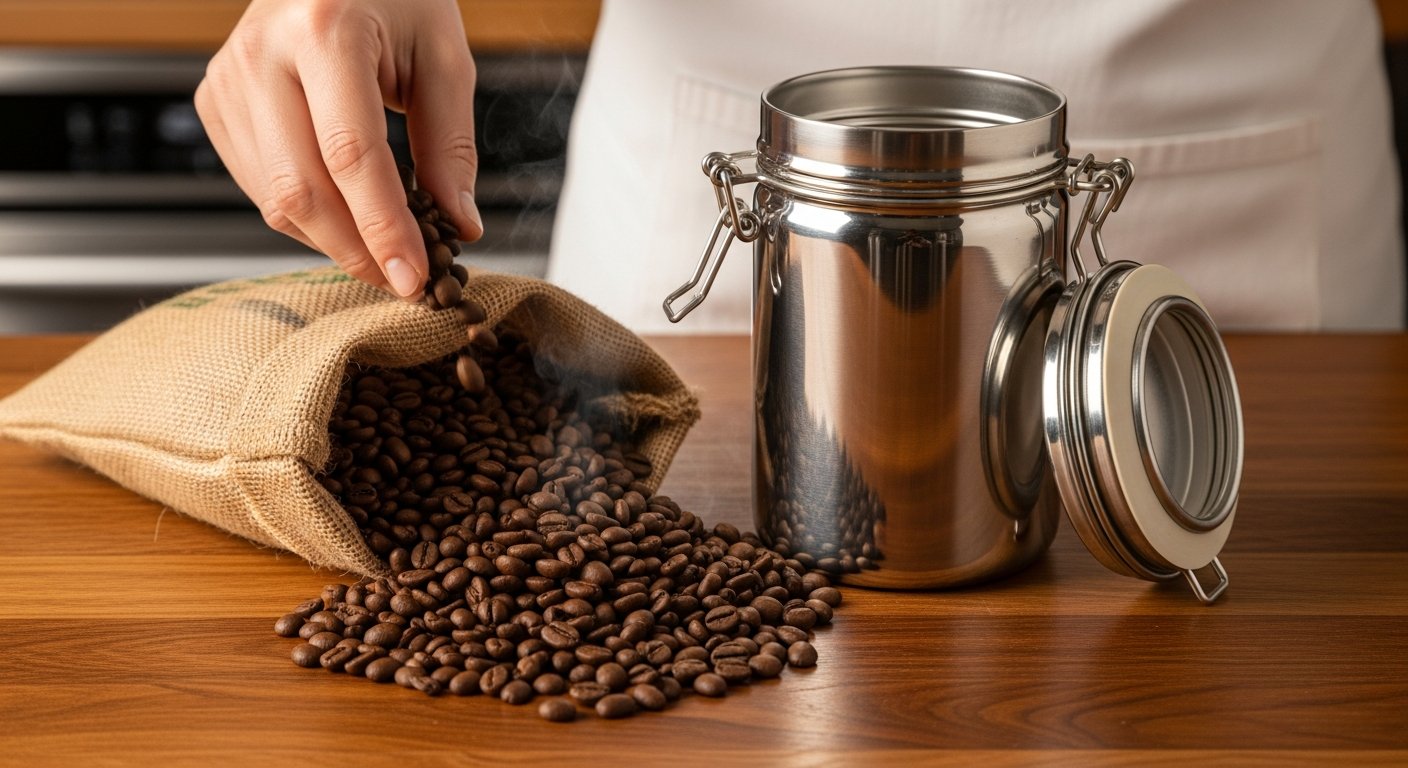
You have just finished roasting a batch of beans, and the aroma fills your kitchen with notes of caramel and toasted grain. That scent is a promise of flavor, but it is also a warning. Every second after the roast, your coffee is losing the volatile compounds that make it taste vibrant and complex. The difference between a cup that sings and a cup that falls flat often comes down to one simple factor: how you store those beans. Understanding fresh roast coffee storage airtight container best practices is not just about keeping beans dry. It is about locking in the delicate oils and gases that define a truly exceptional brew.
Many home roasters believe that refrigerating or freezing their beans extends freshness indefinitely. In reality, temperature fluctuations and moisture are the enemies of flavor. The correct approach is simpler and more effective than you might think. By mastering a few key principles, you can keep your roast tasting as good on day fourteen as it did on day one. This guide will walk you through the science, the container choices, and the daily habits that preserve your hard work.
The Science of Degassing and Staling
Freshly roasted coffee undergoes a process called degassing. For the first 12 to 24 hours after roasting, beans release large amounts of carbon dioxide. This gas is a byproduct of the roasting reaction, and it actually protects the beans by pushing oxygen away from the surface. If you seal beans in an airtight container too soon, pressure can build and potentially affect flavor. More importantly, if you store them in a container that is not airtight, the CO2 escapes and oxygen rushes in to replace it. Oxygen is the primary driver of staling. It oxidizes the oils in the beans, turning bright citrus notes into flat, cardboard-like flavors.
This is where fresh roast coffee storage airtight container best practices become critical. The ideal container allows for a controlled release of CO2 without letting oxygen in. Many specialty containers use a one-way valve, which is a small rubber or plastic disc that lets gas escape but does not allow air to enter. If you do not have a valved container, you can still achieve excellent results by burping the container daily for the first few days. Simply open the lid for a few seconds to release built-up gas, then reseal it tightly.
What Makes a Container Truly Airtight
Not every container with a lid qualifies as airtight. A true airtight seal prevents any exchange of gases between the inside and outside environment. When evaluating containers for your fresh roast coffee, look for these features:
- A silicone or rubber gasket around the lid that compresses when closed.
- Latching mechanisms that apply even pressure around the rim.
- Thick walls made of ceramic, stainless steel, or UV-blocking glass that protect against light and temperature changes.
Thin plastic containers often develop micro-cracks over time, especially if they are exposed to heat from a countertop near a stove. Even a tiny gap can allow enough oxygen to stale your beans within a week. Stainless steel containers with vacuum-seal technology are the gold standard because they remove air entirely. Some models use a pump to create a vacuum, which dramatically slows oxidation. For most home baristas, a quality canister with a silicone gasket and a clamp-down lid offers an excellent balance of cost and performance.
Temperature: The Missing Variable
Airtight storage is only half the equation. Temperature plays a massive role in how quickly your coffee degrades. A container sitting in direct sunlight or near an oven can heat up to 40 degrees Celsius internally, which accelerates the breakdown of flavor compounds. The best practice is to store your airtight container in a cool, dark cupboard or pantry. Aim for a stable temperature between 15 and 22 degrees Celsius. Avoid storing coffee above the refrigerator, where heat from the appliance rises, or next to a window.
Freezing coffee is a topic of debate among roasters. If you freeze beans in an airtight container, they can stay fresh for months. However, every time you open the container, condensation forms on the beans as they warm up. That moisture damages the cellular structure. If you choose to freeze, portion your beans into single-use airtight bags, remove as much air as possible, and only take out one portion at a time. Do not return unused beans to the freezer once they have thawed. This method works well for bulk roasters who want to enjoy their fresh roast coffee storage airtight container best practices over several weeks.
Choosing the Right Material
The material of your container affects more than just durability. Glass is non-porous and easy to clean, but it does not block light unless it is tinted or stored in a dark cabinet. Ceramic is excellent for blocking light and maintaining stable temperatures, but it can be heavy and breakable. Stainless steel offers the best combination of light protection, durability, and temperature stability. Avoid clear plastic or glass containers that sit on open countertops unless you keep them in a dark area.
One often overlooked material is the inner lining. Some metal containers have a plastic or epoxy coating that can impart a chemical taste over time. Look for food-grade stainless steel (304 or 316 grade) with no lining. For the ultimate in preservation, consider a vacuum-sealed stainless steel canister. These containers remove oxygen automatically after you close the lid, and they are available in sizes from 250 grams up to 1 kilogram. They cost more upfront, but if you roast weekly, the investment pays for itself in reduced waste and better coffee.
Portioning and the One-Week Rule
Whole beans stay fresh much longer than ground coffee. Grinding increases the surface area exposed to oxygen by a factor of hundreds. For this reason, fresh roast coffee storage airtight container best practices always recommend storing whole beans and grinding only what you need immediately before brewing. If you must grind ahead of time for convenience, limit your pre-ground supply to one or two days worth. Even in an airtight container, ground coffee loses significant flavor within 24 hours.
Portioning is equally important. A large container that you open every morning lets in a fresh burst of oxygen each time. The air inside the container becomes more oxygen-rich with every opening. A better strategy is to store your main batch in a large airtight container and transfer a three-to-five-day supply into a smaller daily-use container. This way, the bulk of your coffee is only exposed to air once or twice a week. Many professional roasters use this two-container system to maintain peak freshness for up to three weeks.
How to Clean and Maintain Your Container
Even the best container will fail if it is not kept clean. Coffee oils can become rancid and transfer stale flavors to fresh beans. After each batch, empty the container completely and wash it with warm water and mild soap. Avoid harsh detergents or bleach, which can leave residues that absorb into porous materials. Rinse thoroughly and dry completely before adding new beans. For stainless steel containers, a simple wipe with a damp cloth and a dry towel is often sufficient. If you notice a lingering smell, sprinkle baking soda inside, let it sit for an hour, then rinse.
Check the gasket or seal regularly. Over time, silicone can dry out or lose elasticity. A quick test is to close the container with a piece of paper between the lid and the rim. If you can pull the paper out without resistance, the seal is compromised and needs replacement. Some manufacturers sell replacement gaskets, or you can apply a thin layer of food-grade silicone grease to revive the seal. Do not ignore this maintenance step, as a failing seal defeats the purpose of airtight storage.
In our guide on fresh roast coffee storage airtight container best practices, we explain how to identify when a seal is no longer effective. Regular inspection ensures your beans stay protected from oxygen and moisture.
Common Mistakes to Avoid
Even experienced roasters sometimes fall into habits that ruin their coffee. One common error is storing beans in the original bag that the green beans came in. These bags are designed for shipping, not long-term storage. They are often permeable to air and lack a proper seal. Another mistake is placing the container next to spices or onions. Coffee is highly absorbent, and it will pick up odors from its environment. Keep your container away from strong-smelling foods.
A third mistake is assuming that a container with a flip-top lid is airtight. Flip-top lids, like those on many popular kitchen jars, rely on a rubber gasket that can degrade quickly. They are fine for short-term use, but for fresh roast coffee storage airtight container best practices, a screw-top or clamp-down lid is more reliable. Finally, do not store coffee in the refrigerator. The humidity inside a fridge causes condensation on the beans, and the temperature fluctuations accelerate staling. The pantry is your best bet.
To summarize the essential steps:
- Choose a container with a silicone gasket and a secure latch or screw lid.
- Store in a cool, dark place with stable temperature (15-22 degrees Celsius).
- Keep whole beans and grind only what you need.
- Use a two-container system for bulk and daily use.
- Clean the container between batches and check the seal monthly.
These five steps form the backbone of a reliable storage routine. They work whether you roast once a week or once a month, and they apply to all roast levels from light to dark.
Testing Your Storage System
How do you know if your container is actually working? The simplest test is to brew a cup from beans stored for seven days and compare it to a cup brewed on roast day. If the flavor is noticeably flat, bitter, or muted, your storage system needs improvement. Another test is to place a small piece of dry spaghetti inside the container overnight. If the spaghetti becomes soft, moisture is getting in. You can also use a hygrometer strip inside the container to monitor humidity levels. Ideally, the relative humidity should stay below 50 percent.
If you suspect your container is not airtight, try the water test. Fill the container with water, close the lid, and turn it upside down over a sink. Any leaks will be immediately visible. Do this before you store a new batch of beans, especially if you have dropped the container or noticed the lid feeling loose. Remember that even the best container cannot compensate for poor environmental conditions. A container kept in a hot, humid kitchen will always struggle to preserve freshness.
Ultimately, fresh roast coffee storage airtight container best practices are about control. You control the oxygen level, the temperature, the light exposure, and the moisture. When you take command of these variables, you extend the life of your roast by weeks. Your morning cup becomes consistently delicious, and your hard work in the roasting process pays off in every sip. Invest in quality containers, develop a storage routine, and taste the difference for yourself.