
High Altitude vs Low Altitude Organic Coffee Flavor Showdown
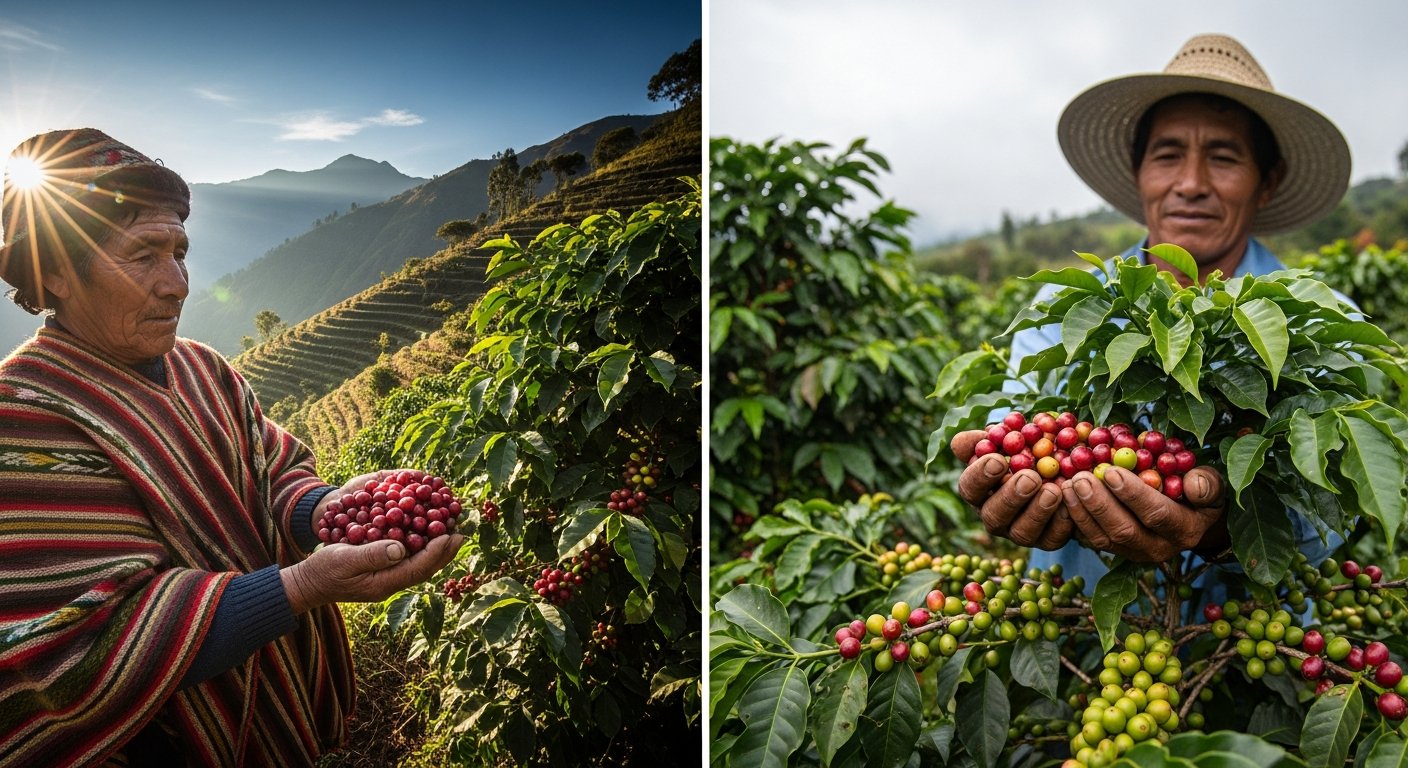
When you hold a bag of organic coffee in your hands, the label tells you it is chemical-free. But the flavor tells a deeper story. That story begins with elevation. The difference between high altitude vs low altitude organic coffee flavor is not subtle. It is the difference between a bright, winey cup and a soft, earthy one. Understanding this contrast can transform how you choose your beans and how you brew them. Let us explore why altitude matters more than most coffee drinkers realize.
What Altitude Does to the Coffee Plant
Coffee plants are sensitive to their environment. Altitude affects temperature, oxygen levels, and even how the plant metabolizes sugars. At higher elevations, nights are cooler and days are warmer. This temperature swing slows down the cherry ripening process. Slower ripening gives the bean more time to develop complex sugars and acids. The result is a denser bean with a more concentrated flavor profile.
At lower altitudes, temperatures are more consistent and warmer overall. Cherries ripen faster, producing a softer, less dense bean. These beans tend to have lower acidity and a simpler flavor structure. Organic farming at any altitude adds another layer. Without synthetic fertilizers, the plant relies on natural soil health and slower nutrient uptake. This often amplifies the flavor differences caused by altitude.
The Science of Bean Density
Bean density is a direct result of altitude. High altitude beans are harder and denser. They require more heat to roast evenly. Low altitude beans are softer and roast faster. If you roast a high altitude bean like a low altitude one, you risk underdeveloping the center of the bean. That underdevelopment leads to grassy or baked flavors. Roasters often sort beans by density to ensure consistent roast profiles.
In our guide on crafting nitro cold brew with organic coffee, we discuss how bean density affects extraction. Denser beans hold up better to prolonged contact with water, making them ideal for cold brew. Lighter, low altitude beans can become overextracted and bitter in the same scenario. This is one practical way altitude influences your daily cup.
Flavor Profiles: High Altitude vs Low Altitude
High altitude organic coffee is known for its brightness. You will taste notes like lemon, bergamot, green apple, or stone fruit. The acidity is crisp and clean, often described as wine-like. The body is usually lighter, allowing those bright flavors to shine through. This makes high altitude coffee a favorite for pour-over and drip methods.
Low altitude organic coffee leans toward the opposite end of the spectrum. You get chocolate, nuts, caramel, and sometimes a subtle earthy or woody note. Acidity is low to medium. The body is fuller and heavier. These coffees are forgiving to brew and work well with espresso or milk-based drinks. They provide comfort and consistency rather than surprise.
Here are the key flavor differences at a glance:
- High altitude: bright acidity, fruity notes, floral aromatics, lighter body, complex finish
- Low altitude: low acidity, chocolate or nutty notes, earthy undertones, full body, smooth finish
- Organic certification: often enhances natural sweetness and clean finish at both altitudes
- Roast level impact: high altitude beans shine at light to medium roasts; low altitude beans excel at medium to dark roasts
These differences are not rigid rules. A high altitude coffee from Brazil can taste different from one from Ethiopia. Soil, varietal, and processing method all play a role. But the altitude trend holds true across most origins. When you buy organic coffee from a high altitude farm, you are paying for complexity. With low altitude organic, you pay for body and reliability.
Growing Regions and Their Altitudes
Some of the most famous high altitude coffee regions include Ethiopia’s Yirgacheffe (1,700 to 2,200 meters), Colombia’s Huila (1,500 to 1,800 meters), and Kenya’s Nyeri (1,600 to 1,900 meters). These regions produce beans with intense floral and citrus notes. Organic certification is common here because many smallholder farmers cannot afford synthetic chemicals anyway.
Low altitude coffee regions include Brazil’s Cerrado (800 to 1,000 meters), Vietnam’s Central Highlands (500 to 800 meters), and parts of India (700 to 1,000 meters). These areas produce beans that are reliable, affordable, and excellent for blending. Organic options are growing in these regions but are less common due to pest pressure at lower elevations.
Altitude is not the only factor. Soil composition, rainfall, and shade cover also matter. But when you compare two organic coffees side by side, altitude is the easiest variable to identify. It gives you a reliable starting point for predicting flavor.
How Altitude Affects Acidity and Sweetness
Acidity in coffee is not about pH level. It is a flavor perception that makes your mouth water. High altitude beans produce higher levels of chlorogenic acid and citric acid. These compounds break down during roasting but leave behind bright, fruity notes. Low altitude beans produce more malic and lactic acid, which contribute to a smoother, creamier mouthfeel.
Sweetness is also altitude-dependent. Slower ripening at high altitude allows sugars to accumulate more fully. Organic farming supports this by maintaining healthy soil microbiomes that aid nutrient uptake. The result is a naturally sweet cup that needs no added sugar. Low altitude beans can still be sweet, but the sweetness is often accompanied by heavier roasted flavors like caramel or brown sugar.
Brewing Recommendations by Altitude
To get the best flavor from high altitude organic coffee, use a method that highlights clarity. Pour-over, AeroPress, and Chemex work well. Grind slightly finer than medium and use water just off the boil. Let the bright acids and floral notes lead the experience. Avoid overextraction, which can turn those pleasant acids into harsh bitterness.
For low altitude organic coffee, choose methods that emphasize body. French press, espresso, and moka pot are excellent. Use a coarser grind and slightly cooler water to avoid extracting bitter compounds. The chocolatey, nutty notes shine through when you give them room. These coffees also work well in milk drinks because the full body holds up against dairy.
Cold brew is a special case. Both high and low altitude beans can produce excellent cold brew, but the results differ. High altitude cold brew tastes like iced tea with fruit notes. Low altitude cold brew tastes like smooth chocolate milk. Choose based on your preference.
Price and Availability
High altitude organic coffee usually costs more. The growing conditions are more challenging, yields are lower, and the beans require more careful processing. Low altitude organic coffee is more affordable and easier to find. If you are on a budget, low altitude options still deliver great flavor and the benefits of organic farming.
But do not assume that all high altitude coffee is premium. Some low altitude farms produce exceptional beans through careful processing and varietal selection. And some high altitude farms produce mediocre coffee if the soil is poor or the harvest is rushed. Altitude is a guide, not a guarantee.
Final Thoughts on Altitude and Flavor
Choosing between high and low altitude organic coffee comes down to personal preference. If you enjoy bright, complex, and winey flavors, invest in high altitude beans. If you prefer smooth, chocolatey, and comforting cups, low altitude coffee will serve you well. The organic label adds peace of mind at both elevations. Next time you shop for beans, check the altitude on the bag. Let it guide your decision. Your palate will thank you.