
Organic Single Origin Espresso Dial In Temperature Guide
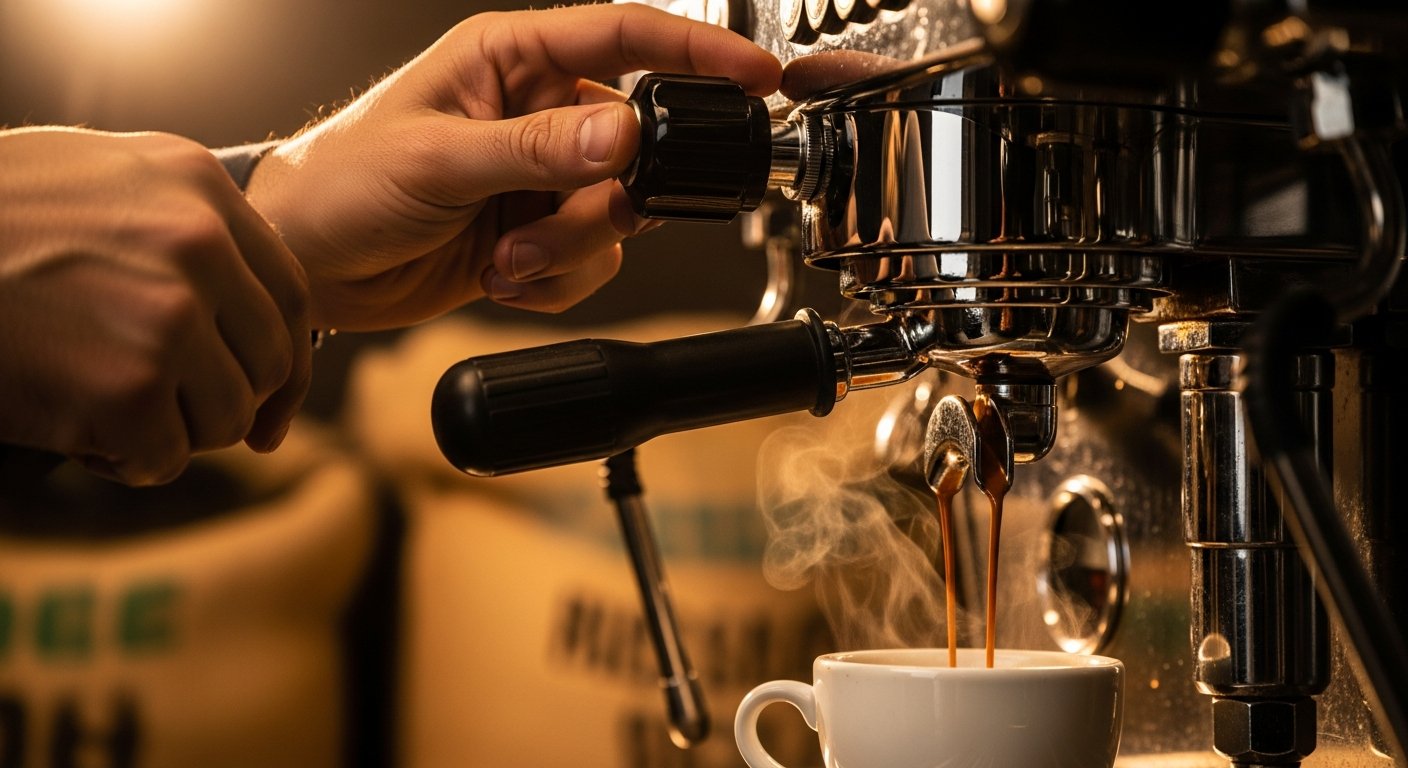
Pulling a perfect shot of espresso from an organic single origin coffee is a pursuit that rewards patience and precision. Unlike blends designed to taste good across a wide temperature range, single origin beans often reveal their best flavors only within a narrow window of brew temperature. This guide walks you through the exact process of dialing in temperature for organic single origin espresso, helping you extract the sweetness, acidity, and body that make these beans truly special.
Temperature is the most powerful tool you have for shaping extraction. A difference of just one or two degrees can turn a sour, underdeveloped shot into a syrupy, balanced one. When you are working with organic single origin beans, the stakes are higher because these coffees often carry delicate flavor notes that can be easily masked or destroyed by incorrect heat. The goal is to find the temperature that unlocks the bean’s signature character without introducing bitterness.
Why Temperature Matters for Organic Single Origin Espresso
Organic single origin coffees come from a specific farm or region, and they are grown without synthetic pesticides or fertilizers. This terroir-driven approach means each batch has a unique chemical composition. The sugars, acids, and oils in these beans respond differently to heat compared to commodity blends. Temperature directly affects the rate of extraction: higher temperatures pull out more soluble compounds faster, while lower temperatures slow down extraction and emphasize acidity.
For organic single origin espresso, the ideal temperature often falls between 195 and 205 degrees Fahrenheit (90 to 96 degrees Celsius). However, the sweet spot depends on the roast level, bean density, and processing method. Light roasts typically need higher temperatures to fully extract, while dark roasts shine at lower temperatures to avoid over-extraction and bitter notes. A washed Ethiopian Yirgacheffe might sing at 200 degrees, while a natural processed Brazilian might taste best at 197 degrees. The only way to know is to test systematically.
Tools You Need for Temperature Dialing
Before you start adjusting temperature, make sure your equipment is reliable. A machine with a PID controller (proportional integral derivative) is essential because it maintains a stable brew temperature within plus or minus one degree. Without a PID, guessing the actual temperature of your group head is futile. You also need a scale with 0.1 gram precision, a timer, and a distribution tool or WDT (Weiss Distribution Technique) tool for consistent puck prep.
Here are the key tools for this process:
- Espresso machine with PID temperature control
- Precision scale (0.1 gram resolution)
- Timer (on your scale or phone)
- Distribution tool or WDT tool
- Freshly roasted organic single origin beans (roasted within 7 to 21 days)
- Notebook or app to record temperature, dose, yield, and taste notes
Without these tools, you are flying blind. A PID-controlled machine is non-negotiable for serious temperature dialing. If you are using a machine without PID, consider upgrading or using a group head thermometer to estimate temperature, but expect less consistent results. For a deeper look at matching grinders to single origin beans, check out our guide on the best coffee grinder for single origin espresso pour over.
The Step-by-Step Dial In Process
Step 1: Set a Baseline Temperature
Start with a middle-of-the-road temperature of 200 degrees Fahrenheit (93 degrees Celsius). This is a safe starting point for most organic single origin espressos. Use a standard dose of 18 grams and aim for a yield of 36 grams in 28 to 32 seconds. Pull a shot and taste it. Note the flavor profile: is it sour, sweet, bitter, or balanced? Write down your observations.
Step 2: Evaluate the Shot and Adjust
If the shot tastes sour or sharp, the extraction is likely underdone. This means the water temperature is too low to dissolve enough sugars and acids. Increase the temperature by 2 degrees to 202 degrees Fahrenheit. If the shot tastes bitter, ashy, or hollow, the temperature is too high and over-extracting unwanted compounds. Decrease the temperature by 2 degrees to 198 degrees Fahrenheit.
After adjusting, pull another shot with the same dose and yield. Keep the grind size constant during temperature dialing. Changing grind size while adjusting temperature confuses the results. Only change one variable at a time. Repeat this process until the shot tastes balanced: fruity acidity, natural sweetness, and a clean finish without harshness.
Step 3: Fine Tune Within a Narrow Range
Once you find a promising temperature, narrow the range by adjusting in one-degree increments. For example, if 200 degrees gave you a good shot but you want more clarity, try 199 degrees. If you want more body, try 201 degrees. Organic single origin beans often have a sweet spot within a three-degree window. Take detailed notes for each temperature, including flavor notes like “lemon zest, honey, silky body” or “dark chocolate, cherry, heavy mouthfeel.”
Common Temperature Profiles for Organic Single Origins
Different origins and processing methods have typical temperature preferences. Use these as starting points, but always adjust based on your taste:
- Washed Ethiopian (light roast): 200 to 204 degrees Fahrenheit. Expect floral and citrus notes that require higher heat to extract.
- Natural Ethiopian (light to medium roast): 198 to 202 degrees Fahrenheit. Lower temperature preserves fruit complexity without over-extracting fermented notes.
- Washed Colombian (medium roast): 198 to 201 degrees Fahrenheit. Balanced acidity and nuttiness shine in this range.
- Natural Brazilian (medium to dark roast): 196 to 199 degrees Fahrenheit. Lower temperature avoids bitter cocoa and highlights chocolate sweetness.
- Costa Rican honey process (medium roast): 199 to 203 degrees Fahrenheit. The honey process adds sugar content that benefits from moderate heat.
These profiles are guidelines, not rules. A specific lot from a single farm may behave differently due to soil composition, altitude, or drying methods. Trust your palate over any chart. The beauty of organic single origin espresso is that each bean tells its own story, and temperature is the key to letting that story unfold.
Troubleshooting Common Temperature Issues
Even with careful dialing, you may encounter problems. Here are the most common issues and how to fix them:
Problem: Shot is sour even at high temperature. If you reach 205 degrees and the shot is still sour, the issue may be under-extraction due to a too-coarse grind or insufficient dose. Try grinding finer or increasing dose by 0.5 grams. Temperature alone cannot fix a grind that is too coarse.
Problem: Shot is bitter even at low temperature. If you drop to 195 degrees and bitterness persists, the grind may be too fine or the dose too high. Grind coarser or reduce dose by 0.5 grams. Bitter flavors from over-extraction require adjusting grind or yield, not just temperature.
Problem: Shot tastes hollow or flat. This often happens when temperature is too low for the bean’s density. Increase temperature by 2 degrees and also check that your water is fresh and your machine is clean. Stale water or dirty group head can mute flavors.
Problem: Shot is inconsistent between days. Changes in room temperature, humidity, and bean age affect extraction. Re-dial temperature every few days as the beans degas. Organic single origin beans change noticeably after the first week post-roast. A bean that needed 200 degrees on day five might need 202 degrees on day twelve.
Recording Your Temperature Journey
Keeping a temperature log is the secret to repeatability. For each organic single origin bean you buy, create a log entry with the following fields:
- Bean name and origin
- Roast date and roast level
- Dose and yield in grams
- Brew time in seconds
- Water temperature in degrees Fahrenheit or Celsius
- Grind setting (from your grinder)
- Flavor score (1 to 10) and tasting notes
- Date of the shot
After 10 to 15 shots, you will see a clear pattern of which temperature range produces the best flavor. Next time you buy the same bean from the same roaster, you can start close to that sweet spot, saving time and coffee. Over months, your log becomes a reference library for hundreds of single origin coffees.
Advanced Considerations: Pre-Infusion and Brew Ratio
Temperature does not work in isolation. Pre-infusion time and brew ratio also affect how the shot develops. For organic single origin espresso, a longer pre-infusion of 5 to 8 seconds at low pressure helps saturate the puck evenly, especially for light roasts that are dense and require more wetting time. Higher temperature combined with longer pre-infusion can increase extraction yield without over-extracting the surface.
Brew ratio is another lever. A standard 1:2 ratio (18 grams in, 36 grams out) is a good baseline, but some organic single origin beans taste better at 1:2.5 (18 grams in, 45 grams out) for lighter roasts or 1:1.8 for darker roasts. When you adjust ratio, you may need to adjust temperature again. For example, a longer ratio (more water) often benefits from a slightly lower temperature to avoid bitterness. Experiment with one variable at a time: first find the temperature, then fine-tune the ratio.
The interplay between temperature and pre-infusion is particularly important for natural and honey processed organic beans. These coffees have higher sugar content and can extract quickly, so a lower temperature combined with a short pre-infusion can prevent over-extraction of fruity compounds. Washed beans, on the other hand, benefit from higher temperature and longer pre-infusion to break down cellular structure and release trapped flavors.
Final Thoughts on Temperature and Organic Single Origin Mastery
Dialing in temperature for organic single origin espresso is a skill that develops with practice and curiosity. Each new bean is an invitation to explore a different flavor landscape. By approaching temperature systematically, you remove guesswork and gain control over the final cup. The joy of pulling a shot that tastes exactly as the roaster intended, with bright acidity, balanced sweetness, and a lingering finish, is worth the effort of careful testing.
Remember that organic single origin beans are living products. They change as they age, and your temperature settings should evolve with them. Revisit your dial in process every few days and adjust as needed. With the tools, steps, and troubleshooting advice in this guide, you have everything you need to master temperature and unlock the full potential of any organic single origin espresso you choose.