
Papua New Guinea Coffee: Single Origin Flavor Profile
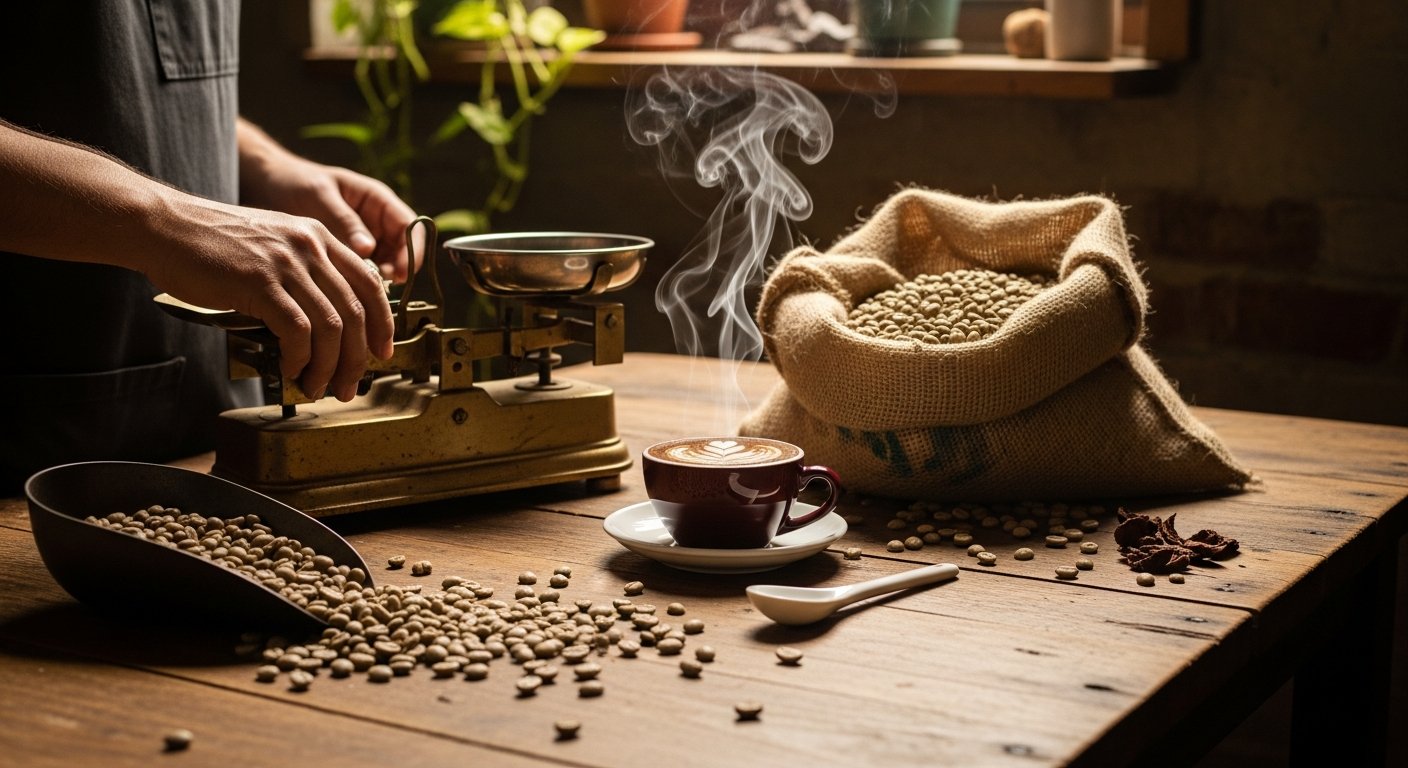
Papua New Guinea occupies a unique space in the world of specialty coffee. Nestled just south of the equator and sharing the island of New Guinea with Indonesia, this country produces beans that are often overshadowed by its more famous neighbors. Yet for those who seek a truly distinctive cup, Papua New Guinea single origin coffee offers a flavor profile that is both complex and approachable. It is a coffee that rewards curiosity with layers of fruit, earth, and savory depth.
In this article, we will explore the Papua New Guinea coffee flavor profile single origin in detail. You will learn what makes these beans taste the way they do, how growing regions and processing methods shape the cup, and how to brew them for the best results. Whether you are a home barista or a coffee professional, understanding this origin will expand your palate and your brewing repertoire.
What Defines the Papua New Guinea Coffee Flavor Profile
The flavor profile of Papua New Guinea coffee is often described as balanced but with a wild edge. This balance comes from the country’s diverse microclimates and the traditional farming practices that have remained largely unchanged for decades. The typical cup offers medium acidity, a full body, and a complex mix of fruity and earthy notes.
Common tasting notes include stone fruits such as peach and apricot, tropical fruits like pineapple and papaya, and deeper undertones of cocoa, tobacco, and even a hint of mushroom or forest floor. This savory quality is what sets Papua New Guinea apart from other origins. It is not as bright as a Kenyan coffee nor as heavy as a Sumatran; it sits in a fascinating middle ground.
Aroma and Acidity
The dry fragrance of Papua New Guinea beans often carries hints of brown sugar, toasted nuts, and dried fruit. Once brewed, the wet aroma unfolds with floral notes reminiscent of jasmine or orange blossom, along with a gentle spice like clove or nutmeg. The acidity is moderate and wine-like, rarely sharp, and it lingers on the palate as a clean finish.
Body and Mouthfeel
Body is where this origin truly shines. Most Papua New Guinea single origin coffees have a creamy, buttery mouthfeel that coats the tongue without being heavy. This is partly due to the high altitude growing conditions and the wet processing methods used by many smallholder farmers. The result is a cup that feels luxurious and smooth, even when brewed as a filter coffee.
Growing Regions and Their Influence on Flavor
Papua New Guinea’s coffee is grown primarily in the highlands, where altitudes range from 1,200 to 1,800 meters above sea level. The main growing regions include the Eastern Highlands, Western Highlands, Simbu (Chimbu), and Morobe Province. Each region imparts subtle differences to the beans.
The Eastern Highlands produce coffees with brighter acidity and more pronounced fruit notes, often with a floral edge. In contrast, the Western Highlands yield beans with a deeper, earthier profile and heavier body. Simbu coffees often exhibit a balance of both, with a clean finish and hints of chocolate and tropical fruit. Morobe Province, which includes the famous Waghi Valley, is known for its consistent quality and complex flavors that blend stone fruit with savory undertones.
Understanding these regional differences is crucial for anyone exploring the Papua New Guinea coffee flavor profile single origin. A coffee from the Eastern Highlands may taste noticeably different from one grown just a hundred kilometers away in the Western Highlands. This diversity makes Papua New Guinea an exciting origin for single origin offerings.
Processing Methods: Wet vs. Dry
The majority of Papua New Guinea coffee is wet processed (washed). This method involves removing the cherry skin and pulp before fermenting the beans in water to remove the mucilage. Wet processing highlights the bean’s inherent acidity and clarity, which is why Papua New Guinea washed coffees are so prized for their clean and fruity profiles.
However, a smaller but growing number of producers are experimenting with natural (dry) and honey processing. Natural processing leaves the cherry intact while drying, which imparts heavy fruit fermentation notes, often with a winey or boozy quality. Honey processing removes the skin but leaves some or all of the mucilage intact, creating a cup that is sweeter and fuller than a washed coffee but still retains some clarity.
For those new to this origin, starting with a washed coffee is recommended. It allows you to experience the purest expression of the bean’s flavor. Once you are familiar with that profile, exploring a natural or honey processed Papua New Guinea can reveal new dimensions of fruit and sweetness.
How to Brew Papua New Guinea Single Origin Coffee
Brewing methods can dramatically affect how the Papua New Guinea coffee flavor profile single origin presents itself. Because of its balanced acidity and creamy body, this coffee performs well across multiple brew methods. Here are three approaches that work particularly well.
- Pour Over (V60 or Chemex): This method accentuates the coffee’s fruit notes and acidity. Use a medium-fine grind and water just off the boil (93-96 degrees Celsius). A ratio of 1:16 (coffee to water) yields a clean, tea-like cup that highlights floral and stone fruit flavors.
- French Press: The full immersion method brings out the body and savory notes. Use a coarse grind and steep for four minutes. The resulting cup will be heavier, with more chocolate and earthy undertones.
- AeroPress: This versatile tool can produce a clean cup with good clarity or a more concentrated brew. For a balanced profile, use a medium grind, 18 grams of coffee to 250 grams of water, and a 90-second steep time.
Each method reveals a different facet of the bean. The pour over emphasizes the fruit and acidity, while the French press showcases the body and earthy complexity. Experimenting with these methods will help you find your preferred expression of this origin.
For a deeper dive into how different origins compare, check out our guide on Myanmar Single Origin Coffee: Flavor Profile and Brewing Guide. While Myanmar coffee is known for its bold, spicy notes, Papua New Guinea offers a softer, more fruit-forward alternative.
Pairing Papua New Guinea Coffee with Food
The versatile flavor profile of Papua New Guinea single origin coffee makes it an excellent companion for food. Its medium acidity and full body allow it to pair with both sweet and savory dishes without overwhelming them.
For breakfast, try it with a fruit tart or a slice of peach cobbler. The stone fruit notes in the coffee mirror the fruit in the pastry, creating a harmonious match. If you prefer savory, pair it with a mild cheese like brie or a smoked gouda. The coffee’s creamy texture complements the cheese’s richness, while the acidity cuts through the fat.
In the afternoon, a cup of Papua New Guinea coffee goes well with dark chocolate (70 percent or higher). The cocoa undertones in the coffee amplify the chocolate’s bitterness, while the fruit notes provide a sweet counterpoint. This pairing is a favorite among coffee enthusiasts for its simplicity and depth.
Sourcing and Sustainability
Most Papua New Guinea coffee is grown by smallholder farmers who tend to just a few hundred trees each. These farmers often sell their cherries to local mills or cooperatives, which then process and export the beans. The country’s rugged terrain and limited infrastructure make direct trade challenging, but many specialty importers are working to improve relationships with producers.
When buying Papua New Guinea single origin coffee, look for roasters that emphasize traceability and fair pricing. Certifications like Fair Trade and Rainforest Alliance are common, but direct relationships between roaster and grower often yield the highest quality and most ethical sourcing. Supporting these efforts helps preserve the unique flavor profiles that make this origin special.
As a consumer, choosing a single origin coffee from Papua New Guinea also supports biodiversity. Many farms in the region practice shade-grown agriculture, which protects native forests and wildlife. This sustainable approach not only benefits the environment but also contributes to the complex flavors in the cup.
Roasting Considerations for Papua New Guinea Beans
Roasters often approach Papua New Guinea beans with care. The coffee’s delicate fruit notes can be lost if roasted too dark, while a light roast may leave the beans underdeveloped and grassy. The sweet spot is usually a medium roast, which preserves the acidity and fruit while developing the body and chocolate notes.
A light-medium roast (often called City+ or Full City) is ideal for filter brewing. It retains the coffee’s floral and fruity characteristics while adding a touch of caramel sweetness. For espresso, a slightly darker roast (Full City+) can produce a syrupy shot with bold chocolate and stone fruit flavors. Avoid roasting beyond Vienna level, as the smoke and bitterness will mask the origin’s unique qualities.
If you roast at home, try different profiles to see how the bean responds. Papua New Guinea is forgiving compared to some African origins, but it rewards precision. A gentle development phase (around 20 percent of total roast time) helps bring out the best in these beans.
In our experience, fresh roast coffee from Papua New Guinea is best consumed within two to four weeks of roasting. This window allows the flavors to settle while still retaining vibrancy. After four weeks, the fruit notes fade and the earthiness becomes more pronounced.
Common Misconceptions About Papua New Guinea Coffee
One misconception is that Papua New Guinea coffee tastes similar to Indonesian coffee, particularly from Sumatra. While both origins can exhibit earthy and spicy notes, Papua New Guinea is generally brighter, cleaner, and more fruit-forward. The difference lies in processing: Indonesian coffees are often semi-washed (giling basah), which adds body and reduces acidity. Papua New Guinea’s washed process preserves more of the bean’s natural character.
Another misconception is that Papua New Guinea coffee is difficult to find or expensive. While it is less common than Colombian or Ethiopian coffee, many specialty roasters offer it as a seasonal single origin. Prices are comparable to other high-quality origins, especially when purchased directly from roasters who prioritize freshness.
Finally, some believe that Papua New Guinea coffee is only suitable for dark roasts. As we have discussed, the best Papua New Guinea coffees shine at medium roasts, where their complexity can be fully appreciated. Dark roasting flattens the profile and eliminates the very features that make this origin unique.
Understanding these nuances is key to appreciating the Papua New Guinea coffee flavor profile single origin. It is a coffee that rewards patience and experimentation.
Final Thoughts on Papua New Guinea Coffee
Papua New Guinea single origin coffee is a hidden gem in the specialty coffee world. Its balanced yet complex flavor profile offers something for every palate: fruit for those who love brightness, body for those who prefer richness, and savory undertones for those who crave depth. By understanding its growing regions, processing methods, and brewing techniques, you can unlock the full potential of this remarkable origin.
Whether you are brewing your first cup or your hundredth, Papua New Guinea coffee invites you to explore. Its flavors tell the story of the highlands, the farmers, and the traditions that make this origin so special. Seek out a fresh roast from a trusted source, experiment with your favorite brew method, and discover why Papua New Guinea deserves a place in your coffee rotation.