
Myanmar Single Origin Coffee: Flavor Profile and Brewing Guide
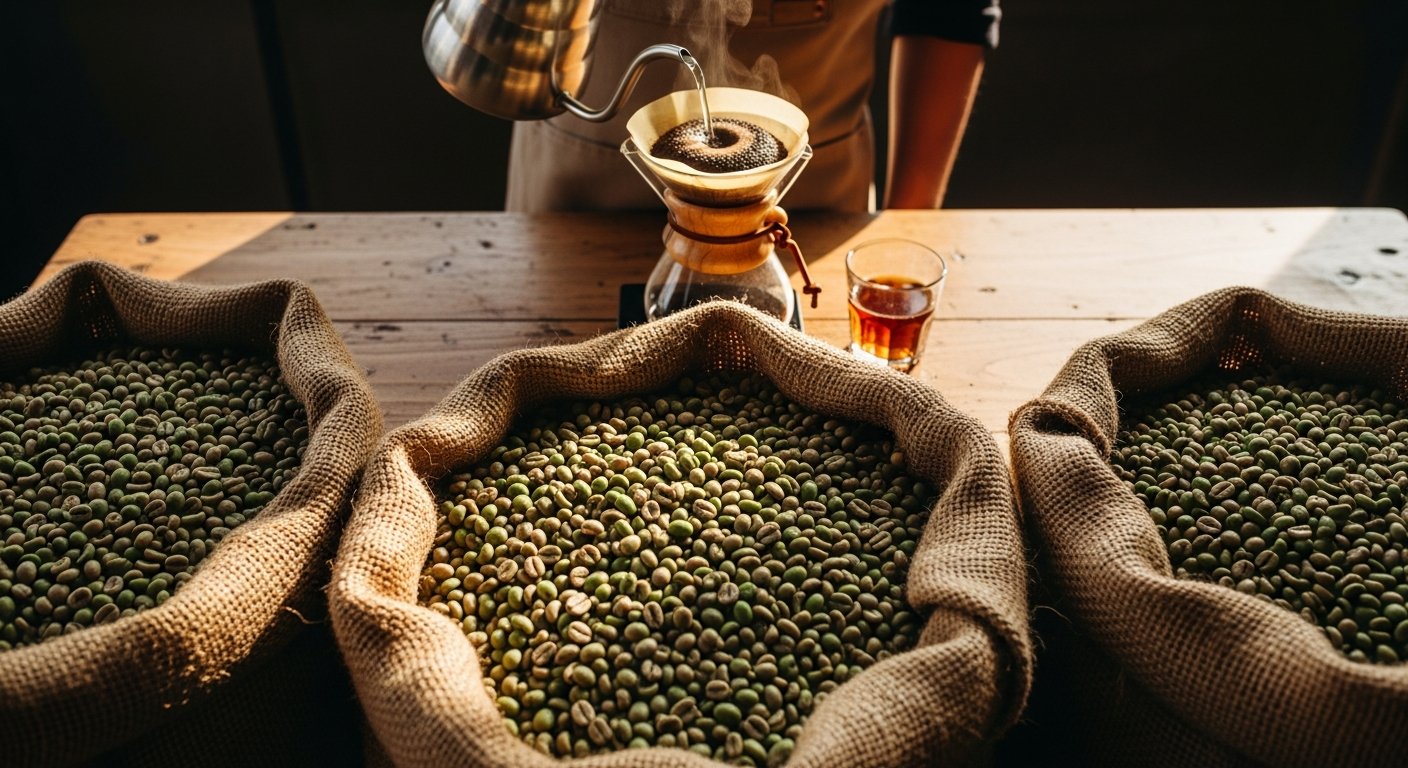
Myanmar single origin coffee is one of the most intriguing offerings to emerge from Southeast Asia in recent years. With its complex flavor profile and unique growing conditions, this coffee deserves attention from anyone serious about specialty brewing. Understanding how to extract the best from these beans requires a careful look at their characteristics and the right brewing methods. This guide explores the flavor profile of Myanmar single origin coffee and the brewing techniques that highlight its best qualities.
What Defines Myanmar Single Origin Coffee
Myanmar, formerly known as Burma, has a coffee tradition that dates back over a century. The country’s coffee industry has undergone a renaissance in the past decade, with specialty producers focusing on high-altitude arabica varieties. Most Myanmar coffee comes from the Shan State, Mandalay Region, and Kayin State, where elevations range from 1,000 to 2,000 meters above sea level. These high altitudes, combined with rich volcanic soils and distinct wet and dry seasons, create ideal conditions for developing complex flavors.
The majority of Myanmar’s specialty coffee is grown from Typica, Bourbon, Catuai, and Catimor varieties. Many farms practice organic methods out of tradition rather than certification, which adds to the appeal for conscientious buyers. The processing methods vary widely, with washed, natural, and honey-processed lots all available from quality-focused producers. This diversity means that Myanmar single origin coffee flavor profile brewing can produce dramatically different results depending on the specific lot and processing method.
Flavor Profile of Myanmar Single Origin Coffee
Myanmar single origin coffee typically presents a medium to full body with moderate acidity. The flavor profile often includes notes of stone fruits such as peach and apricot, along with floral undertones reminiscent of jasmine or chamomile. Many cups display a creamy mouthfeel with hints of milk chocolate or brown sugar in the finish. These characteristics make it a versatile coffee that appeals to both adventurous drinkers and those who prefer balanced, approachable flavors.
When evaluating Myanmar single origin coffee flavor profile brewing outcomes, pay attention to the specific processing method. Washed Myanmar coffees tend to highlight bright acidity and clean fruit notes, while natural processed lots emphasize heavy body and wine-like complexity. Honey processed versions offer a middle ground with enhanced sweetness and moderate acidity. The altitude also plays a critical role. Higher elevation coffees from Shan State often display more pronounced acidity and floral notes, while lower altitude lots lean toward nutty and chocolate flavors.
Common Tasting Notes by Processing Method
The processing method significantly influences the final cup. Below are typical flavor profiles for each method.
- Washed Process: Clean cup with bright acidity, notes of green apple, white peach, and jasmine tea. Body is medium and finish is crisp.
- Natural Process: Heavy body with low acidity, flavors of dried cherry, dark chocolate, and rum. Finish is syrupy and lingering.
- Honey Process: Medium body with balanced acidity, notes of apricot, caramel, and almond. Finish is sweet and smooth.
These profiles serve as a starting point. Individual lots can vary based on harvest year, farm practices, and roast level. For example, a light roast of washed Myanmar coffee can reveal delicate floral notes that disappear with darker roasting. Experimentation is key to finding your preferred expression.
Brewing Methods for Myanmar Single Origin Coffee
To fully appreciate Myanmar single origin coffee flavor profile brewing, choose a method that matches the bean’s characteristics. The following techniques work particularly well.
Pour-Over (V60 or Kalita Wave)
Pour-over brewing highlights the clarity and acidity of washed Myanmar coffees. Use a medium-fine grind and water temperature between 195 and 205 degrees Fahrenheit. A standard ratio of 1:16 (coffee to water) works well. Start with a 30-second bloom using twice the weight of coffee in water, then pour in slow, circular motions. Total brew time should be around 2.5 to 3 minutes. This method brings out the fruity and floral notes while maintaining a clean finish.
French Press
The French press is ideal for natural or honey-processed Myanmar coffees with heavy body. Use a coarse grind and a 1:15 ratio. Steep for four minutes, then press and serve. The immersion method extracts more oils and solids, resulting in a rich, full-bodied cup that emphasizes chocolate and dried fruit notes. This approach works well for those who prefer a bold, dessert-like coffee.
Aeropress
Aeropress brewing offers versatility for Myanmar single origin coffee. Use a medium-fine grind and water at 200 degrees Fahrenheit. The inverted method provides more control over extraction. A typical recipe uses 15 grams of coffee to 250 grams of water, with a 90-second steep before pressing. This method can produce a clean, tea-like cup or a concentrated brew depending on your technique. It is excellent for tasting the subtle nuances of different processing methods.
Roast Level Recommendations
Roast level dramatically impacts Myanmar single origin coffee flavor profile brewing. Light to medium roasts preserve the bean’s inherent acidity and fruit notes. These roasts are best for pour-over and Aeropress methods where clarity is prized. Medium roasts add caramel sweetness and body while maintaining some acidity, making them suitable for French press or espresso. Dark roasts diminish the unique characteristics of Myanmar coffee, producing a more generic smoky flavor. For most specialty drinkers, a light or medium roast is the best choice.
If you are roasting at home, aim for a first crack finish or just into second crack for medium roasts. Stop before the beans become oily, as this masks the delicate flavors. Freshness matters more with lighter roasts, so consume within two to four weeks of roasting. Stale beans lose the floral and fruity notes that make Myanmar coffee special. For more on how altitude affects flavor, see our guide on Bolivia single origin coffee altitude flavor guide which explains similar principles that apply to Myanmar coffee.
Water Quality and Grind Size
Water quality is often overlooked but essential for Myanmar single origin coffee flavor profile brewing. Use filtered water with a total dissolved solids (TDS) between 75 and 150 ppm. Water that is too hard or too soft will mute the coffee’s flavors. The ideal pH is around 7.0. If your tap water has a strong chlorine taste, use a Brita filter or buy spring water. Avoid distilled water, as it produces a flat extraction.
Grind size must match your brewing method. For pour-over, aim for a consistency similar to sea salt. For French press, use a coarse grind like breadcrumbs. For Aeropress, a medium-fine grind works best. Invest in a quality burr grinder to achieve uniform particle size. Uneven grounds lead to over-extraction and bitterness in some particles while others remain under-extracted and sour. Consistency is critical for tasting the full spectrum of flavors Myanmar coffee offers.
Storage and Freshness Tips
Myanmar single origin coffee is best enjoyed fresh. Buy whole beans and grind just before brewing. Store beans in an airtight container away from light, heat, and moisture. Do not refrigerate or freeze coffee unless you plan to store it for more than a month. If freezing, portion the beans into single-use bags and thaw at room temperature before opening. Avoid repeated temperature changes, as condensation damages the beans.
Roasted coffee releases carbon dioxide for several days after roasting. If using a bag with a one-way valve, keep the valve closed until you are ready to brew. For optimal flavor, consume Myanmar coffee within two to three weeks of the roast date. After four weeks, the volatile aromatic compounds begin to degrade, and the flavor becomes flat. This is especially true for light roasts, which are more sensitive to oxidation.
Pairing Myanmar Coffee with Food
The flavor profile of Myanmar single origin coffee pairs well with certain foods. The stone fruit and floral notes complement fresh pastries, especially those with almond or apricot fillings. The milk chocolate undertones work with dark chocolate desserts or cheese plates featuring aged gouda or comté. For breakfast, try it with oatmeal topped with dried fruit and honey. The coffee’s acidity cuts through rich foods, making it a good match for eggs benedict or avocado toast.
For an adventurous pairing, serve a natural processed Myanmar coffee with a fruit tart or berry cobbler. The wine-like complexity of the coffee echoes the fruitiness of the dessert. Avoid pairing with overly spicy or heavily seasoned foods, as they can overwhelm the coffee’s subtle notes. Simpler dishes allow the coffee to shine.
Sourcing and Sustainability
When buying Myanmar single origin coffee, look for roasters who work directly with producers or through reputable importers. Many smallholder farmers in Myanmar lack access to specialty markets, so your purchase supports economic development in the region. Ask about the farm or cooperative behind the coffee. Some roasters provide detailed information about altitude, processing, and harvest date. This transparency helps you understand the flavor profile and ensures ethical sourcing.
Myanmar’s coffee industry faces challenges including infrastructure limitations and political instability. By choosing specialty Myanmar coffee, you contribute to a market that rewards quality and sustainability. Support roasters who pay fair prices and invest in long-term relationships with growers. This approach not only improves the coffee’s quality but also helps build a more resilient supply chain.
Myanmar single origin coffee offers a distinctive taste experience that rewards careful brewing. Whether you prefer the bright acidity of a washed lot or the syrupy body of a natural process, the key is to match the brewing method to the bean’s characteristics. Experiment with different grind sizes, water temperatures, and ratios to find your ideal cup. With attention to detail, you can unlock the full potential of this remarkable coffee.