
Shade Grown Organic Coffee: A Haven for Bird Habitat
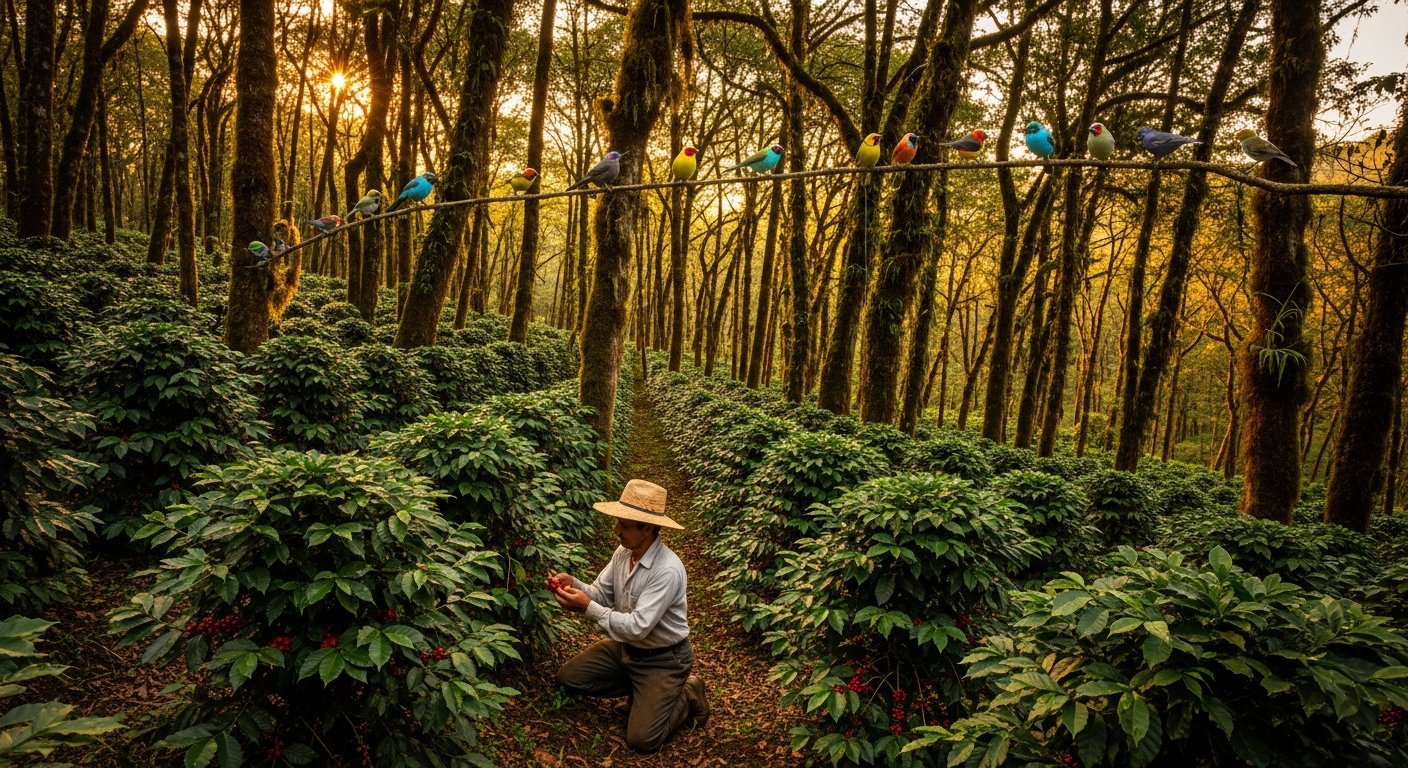
Every morning, millions of coffee drinkers around the world reach for their favorite brew without a second thought about where the beans came from. But the choice between a bag of conventionally grown coffee and a bag of shade grown organic coffee is more than a matter of taste. It is a decision that ripples through ecosystems, affecting the survival of migratory songbirds, the health of tropical soils, and the long-term viability of coffee farming itself. The connection between your morning cup and the biodiversity of a forest canopy is direct and powerful. Understanding this link transforms a simple purchase into an act of conservation.
The Forest Under the Coffee Trees
Traditional coffee farming, especially in places like Ethiopia, Colombia, and Mexico, did not involve clearing vast swaths of rainforest. Farmers planted coffee shrubs under the existing canopy of native trees. This method, known as shade grown cultivation, mimics the natural structure of a forest. The upper canopy provides filtered sunlight, while the understory of coffee plants thrives in the dappled light below. This layered system is not just a farming technique; it is a functioning ecosystem.
In contrast, modern industrial coffee production often relies on sun cultivation. To maximize yield per acre, farmers remove all shade trees and plant high-yield hybrid coffee varieties that require full sun, heavy doses of chemical fertilizers, and frequent pesticide applications. The result is a monoculture that produces more beans in the short term but creates an ecological desert. The loss of shade trees eliminates the complex habitat that countless species depend on. Birds, insects, mammals, and soil microorganisms all suffer when the forest gives way to a sun-baked field.
Shade grown organic coffee biodiversity bird habitat is not a marketing slogan. It is a scientific reality. Research published by the Smithsonian Migratory Bird Center has demonstrated that shade coffee farms can host more than 150 species of birds, including warblers, tanagers, and orioles that migrate between North and South America. These farms serve as critical stopover sites where birds can rest and refuel during their long journeys. Without shade grown coffee, many of these species would face a perilous gap in their migratory route.
How Organic Certification Protects the Web of Life
Choosing organic coffee means rejecting synthetic pesticides and fertilizers. This choice has direct benefits for biodiversity. In a shade grown organic coffee farm, the soil is alive with earthworms, fungi, and beneficial bacteria. These organisms break down organic matter, cycle nutrients, and help coffee plants resist disease naturally. When chemicals are eliminated, the entire food web stabilizes. Insects that would be wiped out by pesticides remain abundant, providing a reliable food source for birds and bats.
Organic certification also prohibits the use of genetically modified organisms (GMOs) and sewage sludge as fertilizer. This ensures that the land remains free from contaminants that could leach into waterways and harm aquatic life. For the farmer, organic methods often mean lower input costs and reduced health risks from chemical exposure. For the consumer, it means a cleaner cup of coffee with no chemical residues.
The synergy between shade grown and organic practices is powerful. A shade grown organic coffee farm is a biodiversity stronghold. The trees provide fruit and nectar for birds and insects, while the organic soil management supports a diverse community of decomposers and pollinators. This integrated system is more resilient to pests, diseases, and climate extremes than a chemically dependent monoculture. It is a model of sustainable agriculture that works with nature rather than against it.
Birds as Bioindicators of Farm Health
Bird populations are excellent indicators of ecosystem health. When birds thrive, it usually means the habitat is rich in food, shelter, and clean water. In shade grown organic coffee farms, ornithologists have recorded astonishing levels of avian diversity. Species like the Baltimore oriole, the Tennessee warbler, and the Swainson’s thrush rely on these farms during their migration. The presence of these birds signals a functioning ecosystem where insects are plentiful and the canopy provides safe roosting sites.
Conversely, sun coffee plantations often have drastically reduced bird populations. A study in Colombia found that sun coffee farms supported only about 10 percent of the bird species found on nearby shade farms. The loss of canopy trees eliminates nesting sites and removes the leaf litter where many insects live. Without a steady supply of insects, birds cannot sustain themselves. Over time, the entire avian community collapses, leaving only a few generalist species that can tolerate open, disturbed habitats.
For coffee drinkers who care about wildlife, supporting shade grown organic coffee is one of the most effective actions they can take. Every pound of shade grown organic coffee purchased sends a market signal that biodiversity matters. It encourages farmers to maintain or restore tree cover on their land and to continue using organic practices that protect the entire ecosystem.
The Economic Case for Farmers
Some critics argue that shade grown organic coffee yields are lower than sun coffee yields, making it less profitable for farmers. While it is true that shade farms produce fewer pounds per acre, the economic picture is more nuanced. Shade grown organic coffee commands a premium price in the marketplace. Consumers who value sustainability are willing to pay more for beans that are grown without chemicals and that protect bird habitat. This premium can offset the lower yield and often results in higher net income per acre for the farmer.
Additionally, shade grown organic farms are more resilient to price volatility and climate shocks. The diversified habitat provides alternative income streams such as fruit, timber, and medicinal plants. The trees also buffer the coffee plants against temperature extremes and heavy rainfall, reducing the risk of crop failure. For smallholder farmers who depend on coffee for their livelihoods, this resilience is invaluable. A single bad season can push a family into poverty, but a shade grown organic farm is better equipped to weather the storm.
In our guide on Japanese iced coffee vs cold brew organic key differences, we explore how brewing methods can affect the flavor and health benefits of organic coffee. The same principles apply here: the quality of the bean begins with the farm. A well-managed shade grown organic farm produces denser, more flavorful beans that roasters prize for their complexity.
Consumer Choices That Drive Change
Making the switch to shade grown organic coffee is not difficult, but it does require a bit of label reading. Look for certifications from trusted organizations. The Smithsonian Bird Friendly seal is the gold standard for shade grown coffee that meets strict criteria for canopy cover and biodiversity. Organic certification from the USDA or an equivalent body ensures that no synthetic chemicals were used. Fair Trade certification guarantees that farmers received a fair price for their beans. When you see all three seals on a bag of coffee, you can be confident that your purchase supports both people and planet.
Here are the key certifications to look for and what they mean:
- Smithsonian Bird Friendly: Requires at least 40 percent canopy cover with native trees and shrubs. This is the only certification that specifically measures habitat quality for migratory birds.
- USDA Organic: Prohibits synthetic pesticides, herbicides, and fertilizers. Requires annual inspections and detailed record keeping.
- Fair Trade: Ensures farmers receive a minimum price for their coffee, plus a premium for community development projects.
- Rainforest Alliance: Focuses on environmental, social, and economic sustainability, including biodiversity conservation and worker rights.
When you buy coffee with these certifications, you are voting with your wallet for a system that values biodiversity, fair wages, and ecological health. The more consumers demand shade grown organic coffee, the more farmers will adopt these practices. It is a virtuous cycle that benefits everyone from the bird in the canopy to the barista at your local cafe.
The Threat of Climate Change
Climate change poses an existential threat to coffee production worldwide. Rising temperatures, erratic rainfall, and increased pest pressure are already reducing yields in many coffee-growing regions. Shade grown organic coffee farms have a distinct advantage in this changing climate. The canopy of trees moderates temperature swings, keeping the microclimate cooler and more stable. This reduces heat stress on the coffee plants and helps them retain moisture during droughts.
Furthermore, shade trees sequester carbon dioxide from the atmosphere, helping to mitigate climate change. A study in Costa Rica found that shade coffee farms stored significantly more carbon than sun coffee plantations. By choosing shade grown organic coffee, consumers are supporting a farming system that actively fights climate change rather than contributing to it. The birds that depend on these farms are also benefiting from a more stable climate, as are the farmers who grow the coffee.
How to Get Started
Transitioning to shade grown organic coffee is simple. Start by checking the labels on the coffee you already buy. If it does not carry a Bird Friendly or organic certification, look for a brand that does. Many specialty coffee roasters now offer shade grown organic options. You can also ask your local cafe if they serve Bird Friendly coffee. If they do not, request it. Consumer demand drives change in the coffee industry.
For home brewers, the quality difference is noticeable. Shade grown organic beans tend to have a more complex flavor profile with brighter acidity and deeper sweetness. The beans are denser and require a slightly finer grind, but the effort is rewarded with a cup that tastes as good as it feels ethical. Pair your brew with a reusable filter and a compostable cup to minimize your environmental footprint even further.
Finally, spread the word. Share this article with friends and family. Explain why shade grown organic coffee biodiversity bird habitat matters. The more people understand the connection between their coffee and the natural world, the more likely they are to make choices that protect both. Every cup of shade grown organic coffee is a small victory for conservation. Drink it with pride.