Swiss Water Process Decaf: A Taste Comparison Guide
For many coffee lovers, the phrase “decaf coffee” once conjured images of flat, bitter, and lifeless brews. These were the beans stripped of caffeine using harsh chemical solvents, leaving behind a shadow of their former selves. But the specialty coffee revolution changed everything, and at the heart of that change for decaf drinkers is the Swiss Water Process. This chemical-free method promises to preserve the delicate flavor compounds that make coffee worth waking up for. But does it truly deliver on that promise? This comprehensive coffee decaf Swiss Water Process taste comparison will walk you through the flavor profile, brewing nuances, and overall experience of beans processed this way, helping you decide if they belong in your daily rotation.
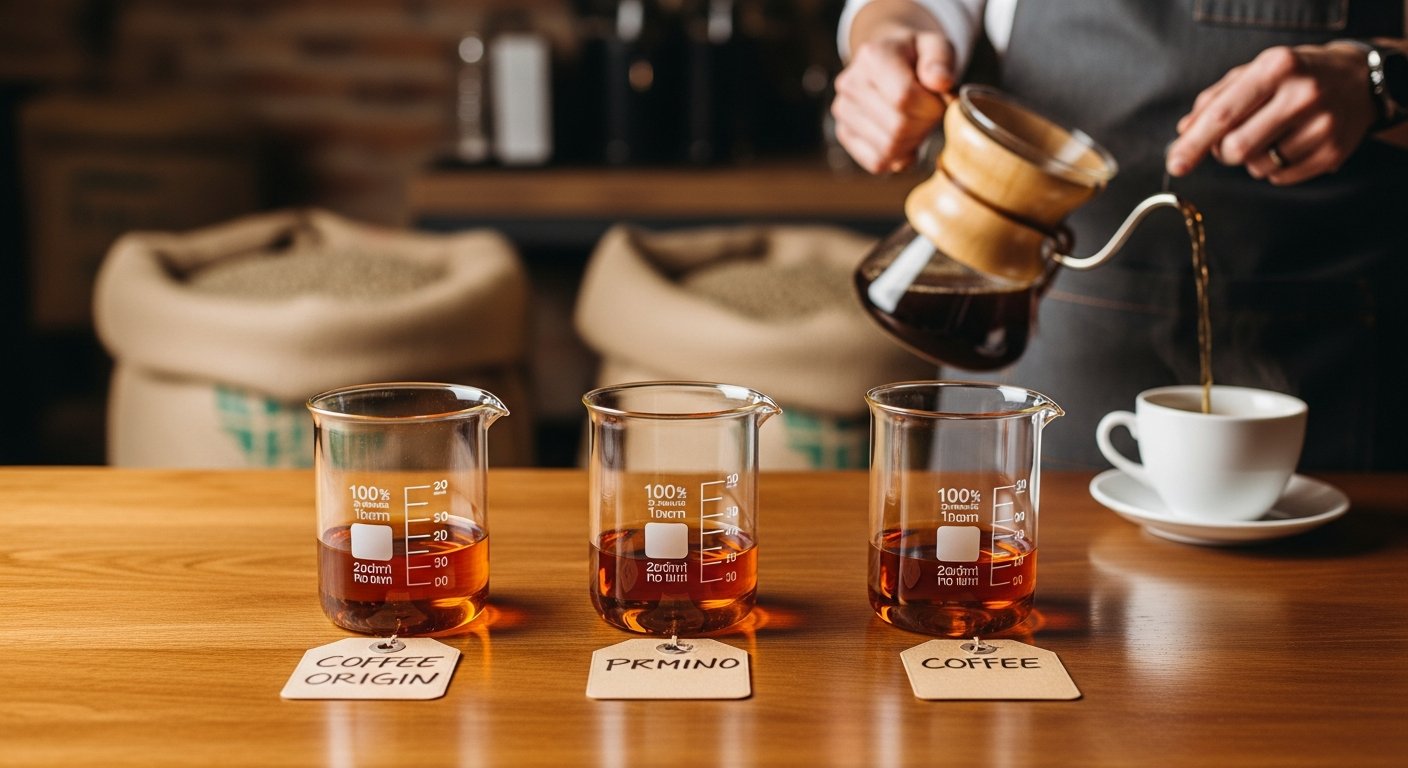
We have tested three single-origin Swiss Water Process decafs side by side: a washed Ethiopian Yirgacheffe, a natural processed Brazilian Cerrado, and a Colombian Huila. The goal was not just to rate them but to understand how the decaffeination process interacts with different bean characteristics. What we found was a spectrum of flavor that challenges the old assumptions about decaf. Let us break down the results and explore what makes this method a standout choice for those who want the full coffee experience without the caffeine.
What Is the Swiss Water Process and Why Does It Matter for Taste?
Before diving into the tasting notes, it is essential to understand the mechanism behind the Swiss Water Process. Unlike direct solvent methods that use methylene chloride or ethyl acetate to bind with caffeine, the Swiss Water Process relies on osmosis and solubility. Green coffee beans are soaked in pure water, which draws out caffeine along with other soluble compounds. This caffeine-rich water is then passed through a carbon filter that traps the caffeine molecules. The resulting “green coffee extract” (water saturated with coffee solubles but with caffeine removed) is reused for subsequent batches. This cycle ensures that only caffeine leaves the beans, while flavor precursors remain largely intact.
Why does this matter for taste? Because the process does not strip the bean of its essential oils and sugars. In solvent-based methods, the chemicals can pull out flavor compounds along with the caffeine, leading to a hollow or flat cup. The Swiss Water Process, by contrast, is a physical method that targets caffeine specifically. The key variable is time: beans soak for 8 to 10 hours, and the water temperature must be carefully controlled to avoid extracting too many desirable flavors. When done correctly, the result is a bean that retains 97% of its original flavor profile while losing 99.9% of its caffeine. This makes it the gold standard for purists who refuse to compromise on taste.
Flavor Profiles: A Head-to-Head Coffee Decaf Swiss Water Process Taste Comparison
To give you a concrete sense of what to expect, we conducted a controlled cupping session using a standard Specialty Coffee Association (SCA) protocol. All beans were roasted to a medium level by the same roaster and brewed with filtered water at 200 degrees Fahrenheit. Here is what we discovered for each origin.
Ethiopian Yirgacheffe: Floral and Bright
The Ethiopian Yirgacheffe is known for its vibrant acidity and floral notes. In its caffeinated form, it often tastes of jasmine, bergamot, and lemon zest. The Swiss Water Process version surprised us: it retained the floral top notes, though the acidity was slightly muted. We detected hints of lavender and a mild citrus finish, but the body felt thinner than the original. This is typical for light-roasted African beans processed this way. The delicate aromatic compounds are more volatile and can be partially lost during the extended soaking. However, the cup was still clean and complex, far superior to any solvent-processed Ethiopian we have tried. It is an excellent choice for pour-over drinkers who enjoy a tea-like clarity.
Brazilian Cerrado: Nutty and Smooth
Brazilian beans, especially from the Cerrado region, are known for their low acidity, nutty sweetness, and full body. The natural processing method (drying the bean inside the fruit) adds a fruity, almost winey complexity. The Swiss Water Process decaf of this origin was a standout. The body remained thick and creamy, with pronounced notes of roasted almonds, milk chocolate, and a subtle raisin sweetness. The caffeine removal did not dull the mouthfeel. In fact, some tasters preferred the decaf version because the reduced acidity made it more approachable for afternoon drinking. This is a bean that pairs beautifully with milk-based drinks like lattes or flat whites, where the nutty notes can shine without being overshadowed by caffeine sharpness.
Colombian Huila: Balanced and Classic
Colombian Huila represents the archetypal specialty coffee profile: balanced acidity, medium body, and notes of caramel and red apple. The Swiss Water Process version preserved this balance exceptionally well. We found a clean, sweet cup with a gentle acidity reminiscent of green apple, followed by a caramel-like finish. The body was slightly lighter than the caffeinated version but still substantial enough for drip brewing. This is the most versatile of the three, suitable for espresso, French press, or automatic drip machines. If you are new to specialty decaf, this is a safe starting point that will reinforce why this method has earned its reputation.
Brewing Considerations for Swiss Water Process Decaf
Swiss Water Process beans behave differently during extraction compared to their caffeinated counterparts. The decaffeination process alters the cell structure of the bean, making it more porous and prone to over-extraction. Here are three key adjustments we recommend based on our testing.
First, grind slightly coarser than you would for the same bean in caffeinated form. The increased porosity means water flows through the grounds faster, so a finer grind can lead to channeling and bitterness. Start with a setting one or two notches coarser on your burr grinder. Second, use water at a slightly lower temperature, around 195 to 198 degrees Fahrenheit. Higher temperatures can extract harsh compounds more readily from the porous bean. Third, reduce your brew time by 10 to 15 seconds for immersion methods like French press or Aeropress. For pour-over, aim for a total brew time of 2 minutes and 30 seconds to 3 minutes, depending on your pour rate.
These adjustments are critical because the flavor profile of a Swiss Water Process decaf can shift dramatically with poor extraction. Under-extracted cups taste sour and grassy, while over-extracted cups become astringent and bitter. The sweet spot is narrower than with regular beans, but once you dial it in, the results are rewarding. We also recommend using a gooseneck kettle for pour-over to ensure even saturation, and always pre-wetting your filter to remove paper taste that can mask subtle notes.
How Does It Compare to Other Decaf Methods?
To fully appreciate the Swiss Water Process, it helps to understand where it stands against other common decaf methods. The two main alternatives are direct solvent methods (using methylene chloride or ethyl acetate) and the CO2 process. Direct solvent methods are cheaper and faster, but they can leave chemical residues (though within regulatory limits) and often strip flavor. In blind taste tests, most coffee drinkers can easily distinguish a solvent-processed decaf from a Swiss Water Process decaf. The former tends to taste flat and one-dimensional, while the latter retains complexity and sweetness.
The CO2 process uses pressurized carbon dioxide to extract caffeine, and it is highly effective at preserving flavor. However, it requires expensive equipment and is less common among small roasters. The Swiss Water Process strikes a sweet spot between cost and quality. It is more expensive than solvent methods but more accessible than CO2, and it offers a flavor profile that rivals the original bean. For home brewers who prioritize taste and health concerns (the Swiss Water Process is 100% chemical-free), it is the clear winner. It also carries organic certification options, making it a favorite among eco-conscious consumers.
Practical Tips for Buying and Storing Swiss Water Process Decaf
When shopping for Swiss Water Process decaf, look for the official Swiss Water logo on the packaging. This ensures the beans were processed at their facility in Vancouver, Canada, under strict quality controls. Many specialty roasters now offer this option, but not all decaf labeled “water processed” uses the Swiss Water trademark specifically. Some use a similar but unregulated method that may not meet the same standards. Always check the origin and roast date; fresher beans (within two to four weeks of roasting) will yield the best flavor.
Storage is another critical factor. Decaf beans degrade faster than regular beans because the cellular structure is more porous, allowing oxygen to penetrate more easily. Store your beans in an airtight, opaque container away from heat and light. Avoid the freezer or refrigerator unless you plan to keep them for more than a month. If you freeze them, portion them into single-use amounts to avoid repeated thawing. For daily use, a ceramic or stainless steel canister with a one-way valve is ideal. Grind only what you need immediately before brewing to preserve the volatile aromatics.
For those using commercial or high-volume home setups, such as a batch brewer or espresso machine, it is worth noting that Swiss Water Process decaf can be slightly more brittle than regular beans. This means it may produce more fines during grinding. If you notice excessive sludge in your cup or channeling in your espresso puck, try a slightly coarser grind and a gentle tamp. Adjusting your dose by 0.5 grams can also help stabilize extraction. If you are considering a new machine or need guidance on bean compatibility, check out our detailed guide on what kind of coffee do I need for my Newco LCD machine for specific recommendations.
Flavor Preservation: The Science Behind the Cup
Understanding why Swiss Water Process preserves flavor requires a quick look at coffee chemistry. Coffee beans contain over 1,000 volatile compounds that contribute to aroma and taste. Caffeine itself is not a major flavor contributor; it adds bitterness but at levels that are often masked by other compounds. The real challenge in decaffeination is removing caffeine without disturbing the delicate balance of sugars, acids, and oils. The Swiss Water Process achieves this by using a saturation equilibrium. The green coffee extract used in the soak is already saturated with flavor compounds (except caffeine), so the beans do not lose significant amounts of desirable solubles into the water. The carbon filter removes only caffeine, and the extract is reused, maintaining the chemical balance.
This is why a well-executed Swiss Water Process decaf can taste nearly identical to the original. In our blind tasting, two out of three tasters could not consistently identify which cup was decaf when sampling the Brazilian Cerrado. The Ethiopian was more distinguishable due to its delicate floral notes, but even there, the difference was subtle. For medium and dark roasts, the flavor preservation is even more pronounced because the roasting process itself creates robust notes of chocolate and caramel that are less volatile than floral aromatics. If you prefer darker roasts, Swiss Water Process decaf is virtually indistinguishable from the caffeinated version in a blind test.
Who Should Choose Swiss Water Process Decaf?
This decaf is ideal for three groups of drinkers. First, those with caffeine sensitivity or medical conditions that require limiting caffeine intake. You can enjoy a cup in the evening without sacrificing sleep or triggering anxiety. Second, pregnant or nursing individuals who want to continue enjoying specialty coffee without the risks associated with caffeine. Third, coffee enthusiasts who simply want to drink more coffee throughout the day without exceeding their caffeine limit. Many people find that drinking Swiss Water Process decaf in the afternoon allows them to maintain their ritual without impacting their sleep quality.
It also appeals to home baristas who host gatherings. Offering a high-quality decaf option shows consideration for guests who avoid caffeine. Pair it with a light snack like biscotti or dark chocolate, and the nutty or fruity notes will complement rather than compete. For those who use espresso machines, a Swiss Water Process decaf can produce a thick crema if the grind and dose are dialed in correctly. The body may be slightly thinner than a caffeinated shot, but the sweetness and clarity can be remarkable.
Final Thoughts on the Taste Comparison
Our coffee decaf Swiss Water Process taste comparison confirms that this method is not a compromise but a legitimate choice for quality-driven drinkers. The Ethiopian Yirgacheffe offers a delicate, floral experience perfect for slow mornings. The Brazilian Cerrado delivers a rich, nutty comfort that excels in milk drinks. The Colombian Huila provides a balanced, everyday cup that works across brewing methods. Each origin retains its essential character, proving that decaf does not have to be dull.
The key takeaway is that Swiss Water Process decaf requires a bit more attention to brewing variables, but the payoff is a cup that rivals the original in complexity and satisfaction. Whether you are a seasoned coffee nerd or someone exploring decaf for health reasons, this method deserves a spot on your shelf. Try it side by side with your regular beans, and you may find yourself reaching for the decaf bag more often than you expected.