
Yirgacheffe Sub Region Ethiopia Flavor Profile Guide
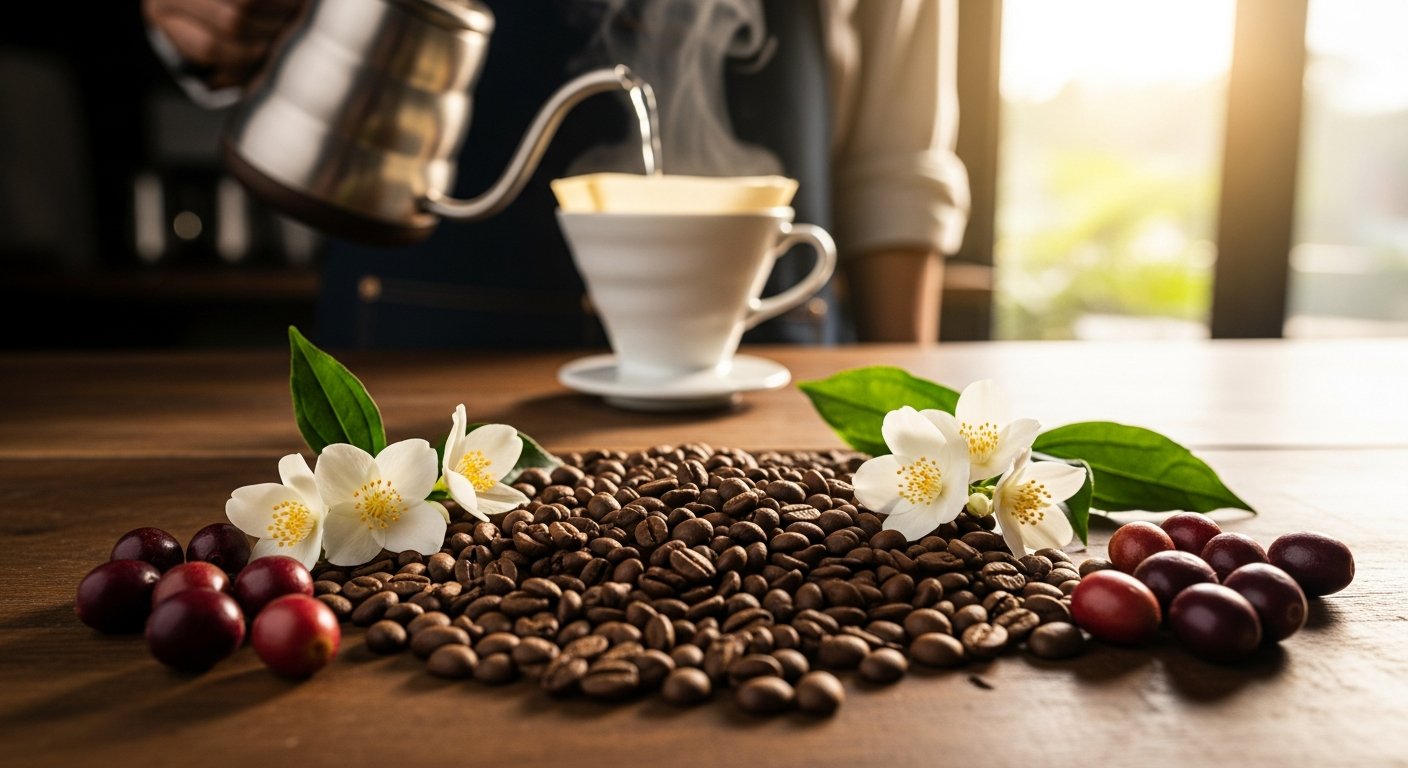
Yirgacheffe is one of the most celebrated coffee origins in the world. Coffee lovers often describe it as the benchmark for Ethiopian specialty coffee. But what exactly makes the Yirgacheffe sub region Ethiopia flavor profile so distinct? This question drives many enthusiasts to explore its floral and fruity complexity. In this guide, we break down the flavor characteristics, processing methods, and brewing tips that define Yirgacheffe coffee. Whether you are a home barista or a commercial buyer, understanding this profile helps you appreciate and source better beans.
What Makes Yirgacheffe Coffee So Unique?
Yirgacheffe is a small district within the larger Sidamo region of southern Ethiopia. It sits at high altitudes, typically between 1,700 and 2,200 meters above sea level. The combination of rich volcanic soil, consistent rainfall, and cool temperatures creates ideal conditions for coffee cultivation. Heirloom Ethiopian varieties, many of which are wild or semi-wild, grow naturally here. These factors contribute directly to the Yirgacheffe sub region Ethiopia flavor profile, which is known for intense floral notes, bright acidity, and a tea-like body.
Unlike many other African coffees that lean heavily toward berry or citrus, Yirgacheffe offers a more delicate and nuanced cup. The beans are often processed using the washed method, which highlights clarity and sweetness. However, natural and honey-processed Yirgacheffes also exist, each adding a different dimension to the flavor. The distinctiveness of this region has even earned it a legally protected geographical indication in Ethiopia, similar to how Champagne is protected in France.
Core Flavor Notes in Yirgacheffe Coffee
The flavor profile of Yirgacheffe coffee is remarkably layered. Here are the most common tasting notes you will encounter:
- Floral: Jasmine, lavender, and honeysuckle are frequent descriptors. These aromatics are often the first thing you notice when brewing a cup.
- Fruit: Bergamot, lemon, peach, and blueberry appear depending on the processing method. Washed lots tend toward citrus, while natural lots lean into stone fruit or berry.
- Sweetness: Honey, brown sugar, and sometimes a subtle wine-like sweetness balance the acidity. This sweetness is rarely heavy or cloying.
- Body: Light to medium, often described as silky or tea-like. The mouthfeel is clean and crisp rather than syrupy.
- Acidity: Bright and lively, similar to sparkling citrus or green apple. This acidity is what gives Yirgacheffe its signature vibrancy.
These notes combine to create a cup that is both refreshing and complex. The balance between acidity and sweetness is what makes Yirgacheffe a favorite among specialty coffee drinkers. In our guide on Eugenioides coffee flavor profile brewing guide, we discuss how rare varieties compare to heirloom Ethiopian beans like those from Yirgacheffe. Both offer unique acidity profiles, but Yirgacheffe remains more accessible and widely available.
How Processing Affects the Flavor Profile
The way coffee cherries are processed after harvesting has a major impact on the final cup. Yirgacheffe is traditionally known for washed processing, where the fruit is removed before drying. This method produces a clean, bright cup with pronounced floral and citrus notes. The Yirgacheffe sub region Ethiopia flavor profile shines brightest in washed coffees because the natural characteristics of the bean are not masked by fermentation.
Natural or dry-processed Yirgacheffe, where the whole cherry is dried before milling, offers a different experience. These coffees tend to have heavier body, lower acidity, and stronger fruit flavors like blueberry or strawberry. Honey-processed Yirgacheffe sits in the middle, retaining some of the washed method’s clarity while adding a bit more sweetness and body. Each processing style reveals a different facet of the region’s potential, so trying all three is worthwhile for anyone serious about Ethiopian coffee.
Brewing Yirgacheffe for Best Results
To capture the delicate flavors of Yirgacheffe, you need to brew it with care. The light roast level commonly used for this origin requires attention to water temperature, grind size, and extraction time. Here are a few tips:
- Use a pour-over method. V60 or Chemex work best because they highlight clarity and acidity. A French press can mute the floral notes.
- Grind medium-fine. Too coarse will under-extract and taste sour. Too fine will over-extract and become bitter. Aim for a texture similar to sea salt.
- Water temperature between 195-205 degrees F. Lower temperatures (around 195 F) reduce bitterness and let floral notes come forward. Higher temperatures increase extraction but risk dulling the brightness.
- Brew ratio of 1:15 to 1:17. Start with 15 grams of coffee to 250 grams of water. Adjust to taste.
- Total brew time around 2.5 to 3 minutes. If your pour-over drains faster than 2 minutes, grind finer. If it takes longer than 3.5 minutes, grind coarser.
These parameters ensure you extract the full range of flavors without overdoing it. Yirgacheffe is forgiving enough for beginners but rewarding enough for experts. Experiment with small adjustments to find your sweet spot.
Comparing Yirgacheffe to Other Ethiopian Regions
Ethiopia has several distinct coffee regions, each with its own identity. Sidamo, Guji, and Harrar are the most common alongside Yirgacheffe. Sidamo coffees are generally fuller-bodied with wine-like acidity and earthy undertones. Guji, which borders Yirgacheffe, shares similar floral and fruity notes but often has a heavier mouthfeel and more chocolatey sweetness. Harrar, located in eastern Ethiopia, is known for its intense berry and wine flavors, often with a wild or funky character.
Yirgacheffe stands apart because of its tea-like delicacy. While Guji and Sidamo can sometimes taste heavy or syrupy, Yirgacheffe remains light and crisp. This makes it an excellent choice for drinkers who prefer a clean, bright cup over a bold, dark one. The Yirgacheffe sub region Ethiopia flavor profile is also more consistent across harvests compared to other regions, thanks to strict quality controls and cooperative farming practices.
The Role of Altitude and Soil
Altitude is one of the most critical factors in developing complex flavors. Yirgacheffe’s high elevation slows down the cherry ripening process, allowing more sugars and acids to develop. This results in denser beans with higher acidity and more aromatic compounds. The volcanic soil further enriches the beans with minerals that contribute to sweetness and clarity.
Farmers in Yirgacheffe typically grow coffee under shade trees, which protects the plants from direct sun and maintains soil moisture. This traditional farming method, combined with organic practices common in the region, preserves the natural ecosystem and enhances the coffee’s quality. When you buy Yirgacheffe, you are supporting a system that prioritizes both flavor and sustainability.
Why Yirgacheffe Is a Specialty Coffee Favorite
Specialty coffee roasters and consumers prize Yirgacheffe for its consistency and complexity. It scores high on cupping tables, often reaching 85-90 points out of 100. The region’s cooperative structure, led by groups like the Yirgacheffe Coffee Farmers Cooperative Union, ensures that even smallholder farmers receive fair prices and technical support. This stability translates into reliable quality year after year.
For home baristas, Yirgacheffe offers an accessible entry into high-end single origin coffees. It does not require expensive equipment or advanced techniques to taste good. A simple pour-over or even an automatic drip brewer can produce a satisfying cup. For commercial buyers, the Yirgacheffe sub region Ethiopia flavor profile appeals to a broad audience, from casual drinkers to connoisseurs, making it a strong addition to any coffee menu.
Common Misconceptions About Yirgacheffe
Some people assume that all Ethiopian coffee tastes the same. This is not true. Yirgacheffe is distinctly different from Sidamo or Harrar. Another misconception is that light-roasted Yirgacheffe is always sour. While it does have bright acidity, proper brewing brings out sweetness that balances the sourness. If your cup tastes harsh or overly acidic, adjust your grind or water temperature first before blaming the beans.
There is also a belief that natural-processed Yirgacheffe is superior to washed. Both styles have merit. The choice depends on personal preference and the specific lot you buy. A high-quality washed Yirgacheffe can be just as complex and satisfying as a natural one. The key is to buy from reputable roasters who source transparently and roast appropriately.
Sourcing and Storing Yirgacheffe Coffee
When shopping for Yirgacheffe, look for roast dates within the last two weeks. Freshness matters more for light roasts because the delicate flavors degrade faster than in darker roasts. Store your beans in an airtight container away from light, heat, and moisture. Avoid freezing or refrigerating whole beans, as this can introduce moisture and affect flavor.
We roast our Yirgacheffe to order to ensure peak freshness. Each batch is carefully profiled to highlight the floral and citrus notes without introducing roast defects. Whether you buy from us or another roaster, prioritize freshly roasted coffee for the best experience. The Yirgacheffe sub region Ethiopia flavor profile is at its most vibrant within the first three to four weeks after roasting.
Final Thoughts on Yirgacheffe Coffee
Yirgacheffe remains one of the most beloved coffee origins for good reason. Its floral aromatics, bright acidity, and clean finish offer a tasting experience that is both sophisticated and approachable. Understanding the Yirgacheffe sub region Ethiopia flavor profile helps you choose the right beans, brew them correctly, and appreciate the craftsmanship behind each cup. Whether you are exploring Ethiopian coffee for the first time or deepening your knowledge, Yirgacheffe is a rewarding place to start.