
Micro Lot Coffee: What Makes It So Special?
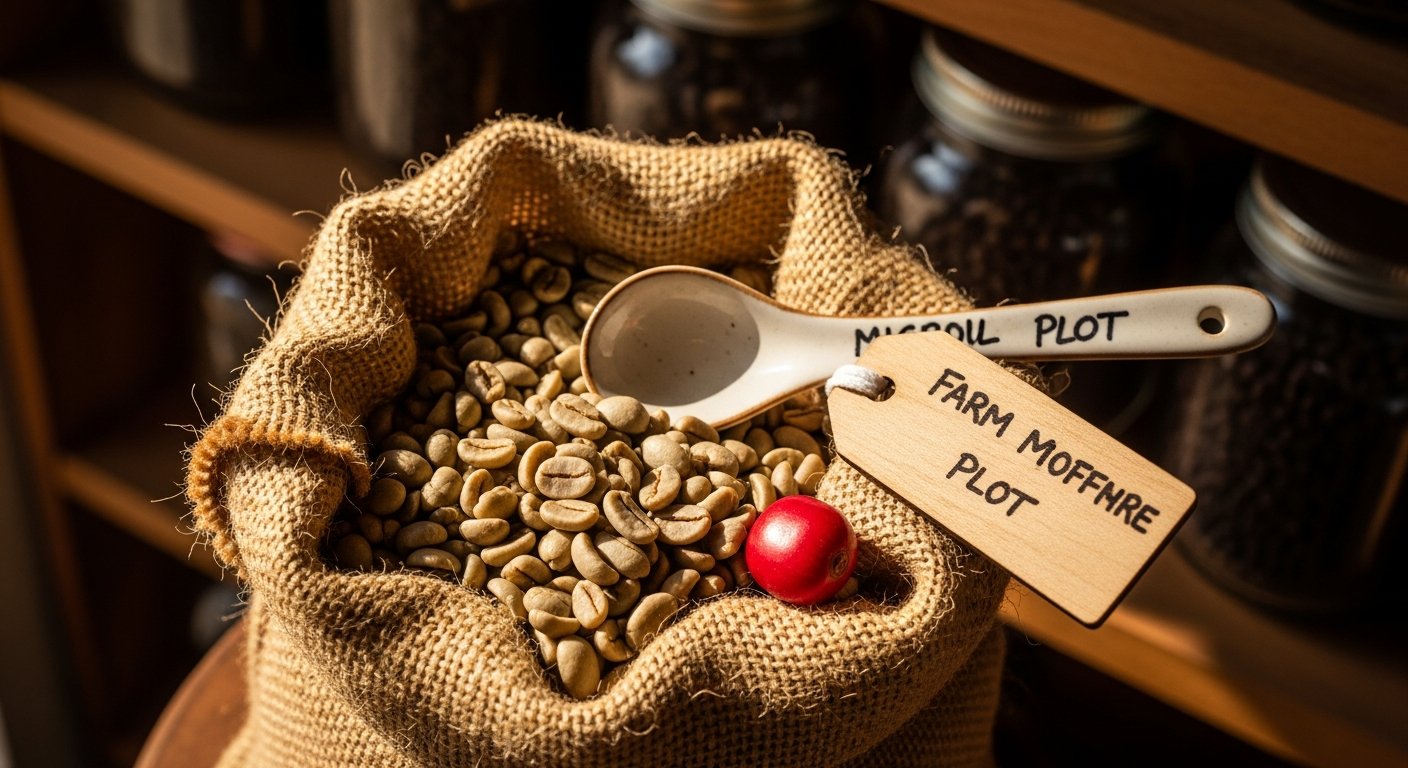
Imagine tasting a coffee that tells the story of a single hillside, a specific harvest, and a farmer’s meticulous care. This is the promise of micro lot coffee. Unlike mass-produced beans blended for consistency, micro lots are small batches of coffee from a defined area, often a single farm or even a specific section of a farm. They represent the pinnacle of quality and traceability in the coffee world. For enthusiasts and professionals alike, understanding these tiny treasures transforms how you experience your morning cup. But what exactly elevates them above standard specialty coffee? Let’s uncover the layers.
Defining the Micro Lot: Beyond the Name
A micro lot is not just a marketing term. It is a logistical designation tied to volume and origin. Typically, a micro lot consists of coffee harvested from a specific plot within a farm, processed separately, and sold in small quantities (often 5 to 50 bags of 60 kilograms each). This separation allows the unique characteristics of that plot to shine without being diluted by blending.
The key difference from a standard single-origin coffee is scale and intention. A single-origin might come from an entire cooperative or region, while a micro lot focuses on a single farmer’s best harvest or a tiny experimental batch. This precision results in a cup profile that is distinct, complex, and often surprising. For roasters and baristas, working with micro lots is like a chef using a rare, seasonal ingredient.
What Makes Micro Lot Coffee Special?
1. Uncompromising Quality Control
Producers dedicate immense resources to micro lots. They select only the ripest cherries, often handpicked multiple times over a single harvest. After picking, the processing (washed, natural, or honey) is monitored with extreme care. Defects are removed meticulously, both before and after drying. This attention creates a bean free of off-flavors, allowing the true terroir to emerge.
For example, a farmer might separate the coffee from trees growing at a higher altitude on a shaded slope. Those beans may develop denser sugars and more complex acids. By micro-lotting them, the farmer can sell them at a premium, rewarding the extra labor and showcasing the best of their land.
2. Traceability and Transparency
With a micro lot, you can often trace the coffee back to a specific farmer, the exact date of harvest, and the processing method used. This level of detail builds trust and connection. When you buy a micro lot, you are directly supporting the producer’s livelihood and incentivizing sustainable farming practices.
This transparency also helps roasters and drinkers understand flavor influences. If a coffee has a winey, fruity note, you can attribute it to the natural fermentation process used on that specific lot. Over time, this knowledge deepens your palate and appreciation for coffee’s diversity. For a deeper look at how coffee traditions shape these practices, explore our guide on coffee cultural significance across origin countries.
3. Unique Flavor Profiles You Cannot Find Elsewhere
The most exciting aspect of micro lots is their flavor. These coffees often exhibit intense, rare tasting notes: jasmine, bergamot, wild honey, tropical fruit, or even complex spice. Because the beans are not blended, every nuance from the soil, microclimate, and processing is preserved.
Consider a washed micro lot from a high-altitude farm in Ethiopia. It might burst with blueberry and lemon acidity, with a silky body. A natural processed micro lot from the same region could taste like strawberry jam and dark chocolate. These profiles are impossible to achieve with large-scale blending. For the curious drinker, each micro lot is a new discovery.
How Micro Lots Differ From Other Specialty Coffees
It helps to place micro lots within the broader specialty coffee landscape. Here is a quick breakdown:
- Commercial Coffee: Blended for consistency and low cost. No traceability. Flavor is generic.
- Single-Origin: Comes from one country, region, or cooperative. Offers some unique flavors but can still be a blend of many farms.
- Micro Lot: From a specific farm plot or single producer. Extremely limited quantity. Highest potential for unique, complex flavor.
- Nano Lot: Even smaller than micro (often 1-5 bags). Ultra-premium and rare. Often sold via auction.
As you move from commercial to nano lot, price increases alongside quality and exclusivity. Micro lots sit in the sweet spot: still accessible to serious home brewers and small cafes, yet offering a clear step up in flavor and story.
The Farmer’s Perspective: Why Micro Lots Matter
For coffee farmers, micro lots are a powerful economic tool. By separating their best harvest, they can command higher prices, sometimes 2-5 times the standard specialty coffee price. This extra income can fund farm improvements, education, and healthcare. It also encourages experimentation with processing methods, which can lead to better quality over time.
However, micro lot production is risky. It requires extra labor for selective picking, separate fermentation and drying areas, and meticulous record-keeping. A small mistake in processing can ruin an entire lot. Farmers who succeed build strong relationships with roasters who value quality, creating a stable market for their finest work.
How to Choose and Brew Micro Lot Coffee
Buying micro lot coffee requires some knowledge. Look for roasters who provide detailed information: farm name, altitude, varietal, processing method, and tasting notes. Reputable roasters often include the exact lot number or producer name. Expect to pay more (often $20-$40 per 12-ounce bag) but know that you are paying for quality and direct support to the farmer.
When brewing micro lot coffee, treat it with care. Here are some tips:
- Use a scale: Measure your coffee and water precisely. A 1:16 ratio (coffee to water) is a good starting point.
- Grind fresh: Grind just before brewing. A medium-fine grind works well for pour-over methods like V60 or Chemex.
- Control water temperature: Use water between 195-205 degrees Fahrenheit (90-96 Celsius). Too hot can scorch delicate flavors.
- Adjust your technique: Since micro lots are unique, you may need to adjust grind size or brew time to highlight sweetness and acidity. Taste and experiment.
Pour-over methods are ideal because they highlight clarity and nuance. An espresso machine can also work, but dialing in may take more effort due to the coffee’s density. Start with a manual method to appreciate the full profile.
The Future of Micro Lot Coffee
The demand for micro lots is growing as consumers seek authenticity and exceptional experiences. Climate change poses a threat, as shifting weather patterns affect the delicate microclimates that produce these coffees. However, the premium prices micro lots command also fund adaptation strategies, such as planting shade trees or experimenting with drought-resistant varietals.
Technology is also playing a role. Blockchain and digital traceability platforms are making it easier to verify a coffee’s origin and journey from farm to cup. This transparency builds consumer trust and helps farmers get fair recognition for their work. As the specialty coffee industry matures, micro lots will likely become a benchmark for quality and sustainability.
Ultimately, micro lot coffee is special because it represents a direct line between you and the land where it grew. It is coffee at its most expressive, honest, and rewarding. Whether you are a home barista or a cafe owner, exploring micro lots is a journey worth taking. Each cup is a small masterpiece, waiting to be discovered.