
Dial In Organic Single Origin Beans for Home Espresso
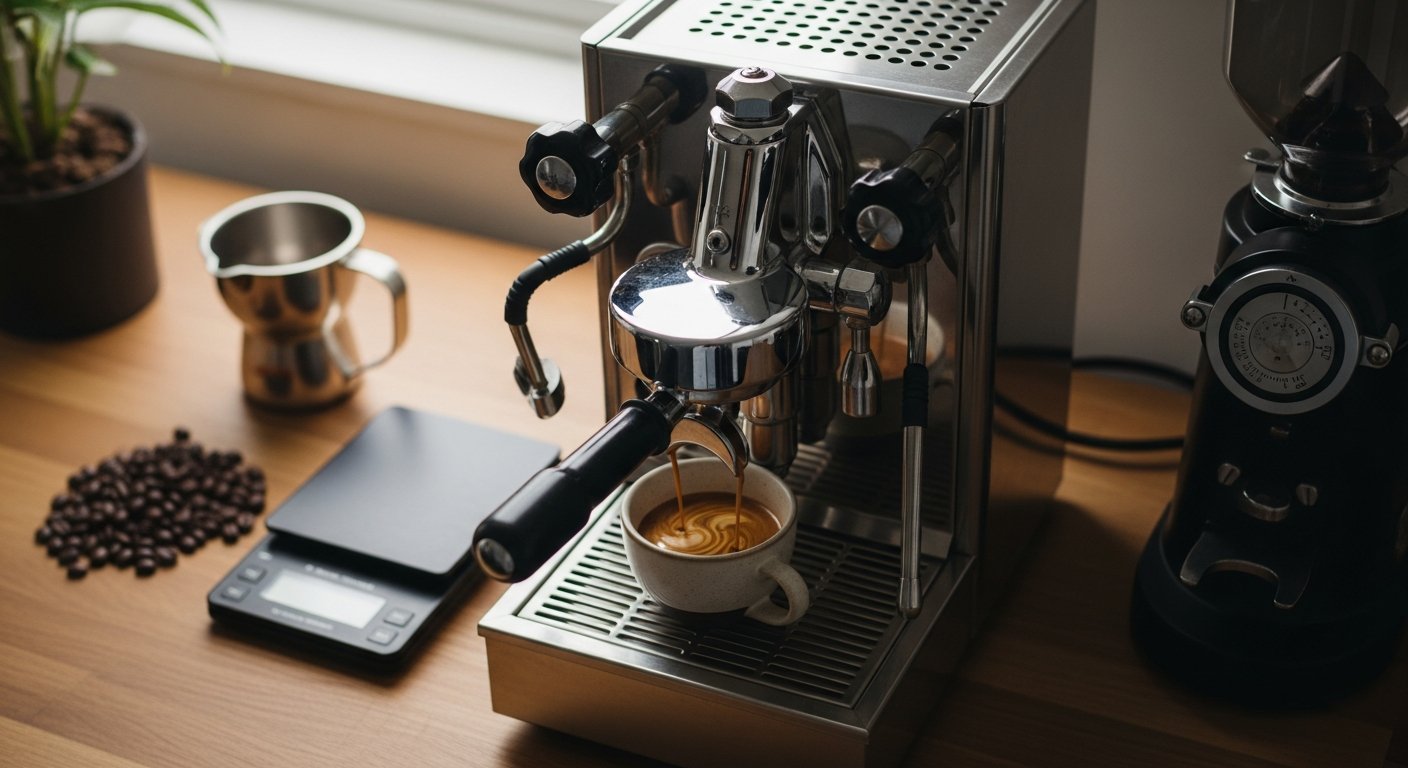
Making espresso at home with organic single origin beans is a pursuit of flavor clarity and ethical sourcing. Unlike blended commodity coffee, single origin beans carry the distinct characteristics of their region, and organic certification ensures no synthetic chemicals touched the crop. The challenge lies in the dial-in process: adjusting grind size, dose, and yield to unlock the bean’s potential. Without a systematic approach, even the best organic beans can produce sour, bitter, or thin shots. This article provides a step-by-step framework to dial in organic single origin beans for home espresso, helping you achieve a balanced, flavorful extraction every time.
Why Organic Single Origin Beans Demand a Different Approach
Organic single origin beans are grown without synthetic pesticides or fertilizers, which can affect their density and moisture content. These beans often come from smaller farms with unique microclimates, resulting in a wider range of bean sizes and hardness. For home espresso, this variability means you cannot rely on a generic grind setting. Each batch requires a dedicated dial-in session to extract the nuanced flavors the farmer intended. Additionally, organic beans tend to roast slightly differently due to their chemical composition, often requiring a gentler roast profile to preserve delicate acidity. This makes them more sensitive to temperature and pressure changes in your espresso machine.
When you buy organic single origin coffee, you are investing in traceability and sustainability. However, this investment pays off only if you can dial in the espresso correctly. A poorly dialed shot masks the floral, fruity, or chocolate notes that define the origin. The goal is to achieve a balanced extraction where sweetness, acidity, and body harmonize. This requires understanding how grind size, dose, and yield interact, and how organic beans respond to these variables differently from conventional blends.
The Core Variables for Home Espresso Dial In
Dialing in organic single origin beans revolves around three primary variables: dose (grams of ground coffee), yield (grams of liquid espresso), and time (seconds of extraction). A fourth variable, temperature, is important but less adjustable on many home machines. Start with a standard ratio, such as 1:2 (dose to yield), and adjust based on taste. For example, a 18g dose yielding 36g of espresso in 25-30 seconds is a common baseline. However, organic single origin beans may require a slightly finer grind or longer ratio to fully extract their sugars due to their density.
Below are the key factors to monitor during your dial-in process:
- Grind size: The most impactful variable. A finer grind increases extraction; a coarser grind decreases it. For organic single origin beans, start finer than you think, then adjust based on flow rate.
- Dose weight: Keep this consistent to isolate grind changes. A 0.5g difference can shift extraction time by several seconds.
- Yield weight: Use a scale under your cup. A 1:2.5 ratio (e.g., 18g in, 45g out) works well for lighter roast organic beans to avoid under-extraction.
- Water temperature: Most home machines operate at 93-96°C. For organic single origin beans with high acidity, try a slightly higher temperature (95-96°C) to boost extraction.
Each variable interacts. If your shot runs too fast (under 20 seconds), grind finer. If it runs too slow (over 35 seconds), grind coarser. But do not change dose and grind simultaneously. Change one variable at a time, pull a shot, taste it, then adjust. This methodical approach prevents confusion and helps you learn how each organic bean behaves.
Step-by-Step Dial-In Process for Organic Single Origin Beans
Step 1: Prepare Your Equipment and Beans
Start with freshly roasted organic single origin beans. Ideally, use beans roasted within 2-14 days. Pre-heat your espresso machine and portafilter. Weigh the beans to your target dose (e.g., 18g). Grind them immediately before pulling the shot to preserve volatile aromatics. Use a distribution tool or WDT (Weiss Distribution Technique) to break up clumps. Tamp with consistent pressure, around 30 pounds, ensuring a level surface. This preparation is critical because organic beans often have uneven particle sizes after grinding, so even distribution prevents channeling.
Step 2: Set a Baseline and Pull Your First Shot
Set your grinder to a medium-fine setting. Lock the portafilter and start the shot. Place a scale under the cup and time the extraction. Aim for a 1:2 ratio in 25-30 seconds. For a 18g dose, target 36g yield. If the shot finishes in 20 seconds, it is likely under-extracted and sour. If it takes 40 seconds, it is over-extracted and bitter. Record the time and yield. Taste the shot: note the acidity, sweetness, and body. Organic single origin beans often have bright, pronounced acidity, so a slightly sour taste may indicate the need for finer grind or higher yield.
Step 3: Adjust Grind Size Based on Flow and Taste
If your shot ran too fast (under 22 seconds) and tasted sour, grind finer by one or two steps on your grinder. Pull another shot with the same dose and yield target. If the shot ran too slow (over 35 seconds) and tasted bitter or harsh, grind coarser. For organic single origin beans, a common issue is that they are denser, so they may require a finer grind than expected. However, avoid grinding so fine that the machine chokes (no flow for 10+ seconds). After each adjustment, taste the shot and note any changes. Repeat until the shot flows in 25-30 seconds with a balanced flavor profile.
Step 4: Fine-Tune Yield for Flavor Balance
Once the grind is set and the shot flows in the right time window, adjust the yield to fine-tune flavor. If the shot tastes sour (under-extracted), increase the yield slightly (e.g., from 36g to 40g) while keeping the same grind. If it tastes bitter (over-extracted), decrease the yield (e.g., to 32g). Organic single origin beans from regions like Ethiopia or Kenya often benefit from a slightly longer ratio (1:2.5 or 1:2.7) to extract more sweetness and reduce perceived acidity. Beans from Brazil or Sumatra may taste best at a shorter ratio (1:1.8 to 1:2). Taste each adjustment and trust your palate.
Common Dial-In Problems With Organic Single Origin Beans
Organic single origin beans can present unique challenges. One issue is inconsistent bean size within a bag, which leads to uneven extraction. To mitigate this, use a quality grinder with flat burrs for more uniform particle distribution. Another problem is stale beans: organic beans may age faster because they lack preservatives. If your shots taste flat or papery, check the roast date and consider buying smaller batches more frequently. Additionally, some organic single origin beans have lower moisture content, causing them to extract faster. In this case, a finer grind and slightly higher dose (e.g., 19g instead of 18g) can help slow the flow.
Channeling is another common issue: water finds a path through the puck, leaving parts under-extracted. This often happens with organic beans that have uneven particle sizes. Use a distribution tool and ensure your tamp is level. If channeling persists, try a slightly coarser grind and a longer pre-infusion (3-5 seconds at low pressure) to saturate the puck evenly. For home espresso machines with a pre-infusion feature, this can dramatically improve extraction consistency with organic single origin beans.
How Roast Profile Affects Dial In
Organic single origin beans come in light, medium, and dark roasts. Light roasts are denser and require a finer grind and higher temperature to extract fully. They also benefit from a longer ratio (1:2.5 or more) to avoid sourness. Medium roasts are more forgiving and work well with a standard 1:2 ratio. Dark roasts, though less common for single origin, require a coarser grind to avoid bitterness. When dialing in organic single origin beans, always check the roast level on the bag. Light roasts from Central America often have apple or citrus acidity, while medium roasts from Africa may have berry or wine notes. Adjust your dial-in technique to highlight these flavors rather than mask them.
For example, if you are dialing in an organic single origin Ethiopian Yirgacheffe (light roast), start with a 1:2.5 ratio, a fine grind, and a water temperature of 96°C. If the shot tastes sour, increase the yield to 1:3. If it tastes bitter, reduce the yield slightly. This targeted approach ensures you extract the floral and fruity notes without pulling out harsh compounds. In contrast, an organic single origin Brazilian Cerrado (medium roast) might shine at 1:2 with a slightly coarser grind, offering chocolate and nut flavors.
Tracking Your Dial-In Results
Keep a log of your dial-in settings for each organic single origin bean you try. Record the date, roast date, dose, yield, grind setting, time, and tasting notes. This practice helps you build a reference library. Over time, you will notice patterns: beans from certain regions or roasters may require similar adjustments. For instance, organic single origin beans from Colombia often have a balanced profile that dials in easily at 1:2, while beans from Sumatra may need a coarser grind due to their earthy, full body. Tracking also prevents you from repeating mistakes. If you have previously dialed in an organic single origin bean from a specific farm, you can start near those settings and fine-tune from there.
Pairing Dial-In With Brewing Techniques
Beyond the basic dial-in, consider techniques like pre-infusion, blooming shots, or using a bottomless portafilter. Pre-infusion wets the puck at low pressure before full extraction, which is especially helpful for organic single origin beans that are dense or have uneven particle sizes. A bloom shot: pause the flow for 5-10 seconds after the first few drops, then resume. This allows gases to escape and improves extraction. A bottomless portafilter lets you see if channeling occurs. These tools are not essential but can elevate your results with organic single origin beans. For those new to home espresso, start with the basic dial-in steps above before adding complexity.
If you are interested in exploring other organic brewing methods, our guide on Craft Nitro Cold Brew at Home With Organic Coffee offers insights on cold extraction. While espresso and cold brew are different, the principles of balancing grind and ratio transfer. Both methods benefit from fresh, organic single origin beans.
Final Thoughts on Dialing In Organic Single Origin Beans
Mastering the home espresso dial in for organic single origin beans takes practice, but the reward is a cup that tells a story of terroir and sustainable farming. Each bean is an invitation to explore flavor nuances that blends often mask. By controlling dose, yield, grind, and temperature, you transform good beans into great espresso. Remember to buy beans in small batches, store them in an airtight container away from light, and dial in fresh each time. Over time, your palate will develop, and the process will become intuitive. The journey from bean to shot is the heart of home espresso, and organic single origin beans make it a deeply satisfying craft.