
Eugenioides Coffee Flavor Profile Brewing Guide
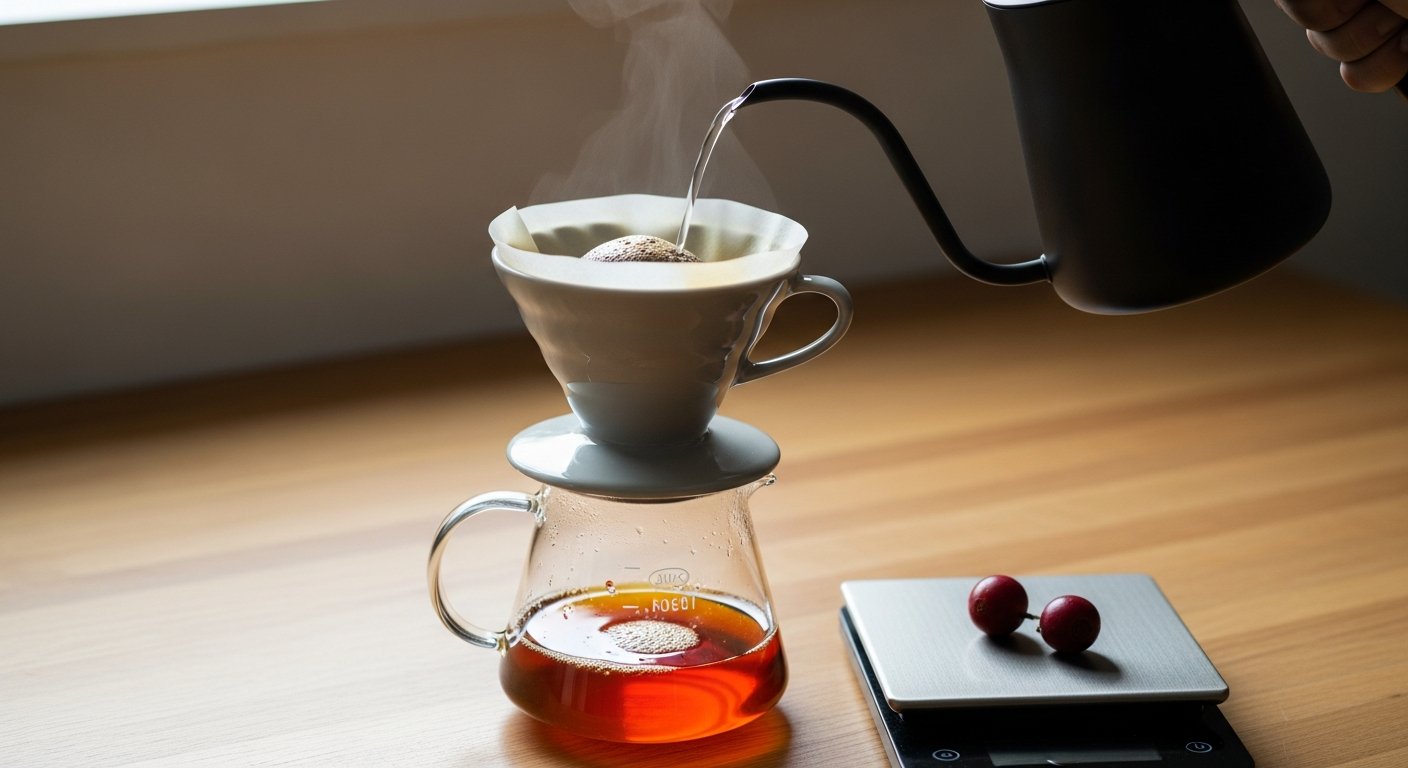
Imagine a coffee that tastes like sweet tea with the body of a delicate fruit juice, a coffee with no bitterness and a natural sugariness that lingers on the palate. That is Eugenioides. This rare species, a parent of the ubiquitous Arabica, offers a flavor experience unlike anything you have had before. Its cup profile is so distinct that it demands a specific approach to brewing, one that highlights its unique characteristics rather than hiding them. This Eugenioides coffee flavor profile brewing guide will walk you through the nuances of this extraordinary bean and show you exactly how to prepare it for the best possible cup.
Eugenioides (Coffea eugenioides) is not a mutation or a hybrid. It is one of the two natural parent species of Arabica, the other being Coffea canephora (Robusta). For years, it was largely overlooked by the specialty coffee world due to its low yield and delicate plant structure. However, in recent years, pioneering producers in Colombia, Panama, and a few other regions have started cultivating it on a small scale. The result is a coffee that typically costs a premium but delivers a flavor profile that often shocks even experienced coffee drinkers. The beans themselves are smaller and rounder than Arabica, and the green beans often have a distinct yellowish hue.
Understanding how to brew Eugenioides is critical because conventional coffee wisdom does not always apply. The bean has a higher sugar content and lower chlorogenic acid content than Arabica, which means it is naturally sweeter and less acidic. It also contains less caffeine. These factors change the extraction dynamics. A standard pour-over recipe that works beautifully for a washed Ethiopian may produce a flat, one-dimensional cup with Eugenioides. This guide will teach you the adjustments needed to unlock the full potential of this rare species.
What Makes Eugenioides Unique: The Flavor Profile
Before we dive into brewing parameters, you need to understand what you are aiming for. The Eugenioides flavor profile is often described in terms that sound more like a fine tea or a fruit soda than a traditional coffee. The primary tasting notes are marshmallow, honey, chamomile, and tropical fruit. There is a distinct lack of roastiness or dark chocolate bitterness. Instead, you get a creamy, almost syrupy body with a finish that is clean and sweet.
The aroma of freshly ground Eugenioides is also distinctive. It often has a floral, honey-like sweetness with hints of jasmine or orange blossom. When brewed, the cup can exhibit flavors of ripe mango, lychee, or even a subtle hint of milk chocolate. The acidity is soft and round, often described as citric but without the sharpness. This is not a coffee that benefits from dark roasting. In fact, most specialty roasters apply a light to medium-light roast to preserve the bean’s delicate sugars and aromatic compounds.
For a deeper look at how different origins influence flavor, check out our related guide on Coffee Regions Flavor Profiles: Africa, Americas, Asia. The principles of terroir apply here as well, though Eugenioides adds an entirely new layer of complexity.
Essential Brewing Parameters for Eugenioides
To successfully brew Eugenioides, you need to adjust your standard recipe. The goal is to extract the sweetness and delicate fruit notes without over-extracting the limited bitter compounds. Here are the key parameters you should target.
Water Temperature
This is the most critical variable. Because Eugenioides has a lower density and different chemical composition than Arabica, it extracts more easily. You should use a lower water temperature. Start at 90-92°C (194-198°F). If you use boiling water (100°C), you risk extracting harsh, astringent flavors that mask the bean’s natural sweetness. For immersion methods like French press, you can even go slightly lower to 88°C (190°F).
Grind Size
Eugenioides beans are often less dense than Arabica. This means they grind differently. You should aim for a slightly coarser grind than you would use for a typical light-roast Arabica. For pour-over methods like the V60 or Kalita Wave, use a medium-coarse grind. The particles should look like coarse sea salt. If your grind is too fine, the water will channel, leading to uneven extraction and a muddy, hollow cup.
Brew Ratio
A slightly higher coffee-to-water ratio helps concentrate the delicate flavors. Use 1:15 to 1:16. For example, 15 grams of coffee to 225 grams of water. This is a bit stronger than the standard 1:17 ratio often used for Arabica, but it compensates for the lower caffeine and acid content, giving you a fuller body.
Brew Time
Because Eugenioides extracts quickly, you do not need long contact times. For pour-over, aim for a total brew time of 2:30 to 3:00 minutes. For immersion methods, 3:00 to 4:00 minutes is sufficient. If you go much longer, you risk over-extraction, which will bring out woody or papery flavors.
Step-by-Step Brewing Methods for Eugenioides
Different brewing methods highlight different aspects of the Eugenioides profile. Here are three of the best methods, with detailed steps.
Pour-Over (V60 or Kalita Wave)
The pour-over method is excellent for emphasizing the clarity and fruit notes of Eugenioides. Follow these steps for a consistent cup.
First, bring 500 grams of filtered water to 92°C. Grind 30 grams of Eugenioides to a medium-coarse setting. Rinse your paper filter with hot water to remove paper taste and preheat the brewer. Add the coffee grounds and level the bed. Start your timer and pour 60 grams of water in a slow, circular motion, ensuring all grounds are saturated. Allow this bloom to rest for 30 seconds. Continue with a second pour of 150 grams, pouring in concentric circles. Wait until the water level drops about halfway, then add the final 240 grams. The total brew time should be around 2:45 to 3:00 minutes. The resulting cup will be clean, sweet, and aromatic.
Aeropress
The Aeropress is fantastic for Eugenioides because it allows for a very controlled extraction. Use the inverted method for best results. Invert the Aeropress chamber on your scale. Add 15 grams of coffee ground medium-fine (slightly finer than pour-over). Pour 200 grams of water at 90°C. Stir gently for 10 seconds. Let it steep for 1:30 minutes. Attach the filter cap (pre-wetted), flip the Aeropress onto your mug, and press gently for about 30 seconds. The result is a thick, syrupy cup with intense honey and tropical fruit flavors.
French Press
The French press highlights the creamy body and sweetness of Eugenioides. Use a coarser grind to avoid sludge. Add 30 grams of coffee to the French press. Pour 450 grams of water at 88°C. Stir gently to ensure all grounds are wet. Place the lid on with the plunger pulled up. Steep for exactly 3:30 minutes. Press the plunger down slowly and steadily. Pour and enjoy immediately. This method produces a fuller mouthfeel and softer acidity.
Common Mistakes and How to Avoid Them
Even experienced baristas can struggle with Eugenioides at first. Here are the most frequent pitfalls and their solutions.
- Using boiling water: This is the number one mistake. Boiling water scalds the delicate sugars and produces a flat, dull cup. Always let your water cool to 90-92°C.
- Grinding too fine: A fine grind causes over-extraction and bitterness. Eugenioides does not need the same aggressive extraction as a dense washed Arabica. Go coarser than you think.
- Over-extracting with long brew times: Do not let your total brew time exceed 3:15 for pour-over. If your grind is correct, the water should flow through at a moderate pace. If it stalls, your grind is too fine.
- Expecting a traditional coffee flavor: If you are looking for a bright, acidic, or chocolatey cup, you will be disappointed. Eugenioides is its own category. Approach it with an open mind and appreciate its tea-like sweetness.
- Using a dark roast: Dark roasting destroys the volatile compounds that make Eugenioides special. Always seek out light or medium-light roasts from a specialty roaster.
When you avoid these errors, the coffee rewards you with a sweetness that needs no sugar and a complexity that invites sipping. The learning curve is worth it.
Dialing In Your Own Recipe
Because every batch of Eugenioides can vary slightly depending on the origin, roast level, and freshness, you should treat the parameters above as a starting point. Keep a brewing journal. Note the water temperature, grind setting, brew time, and your sensory impressions. If the cup tastes hollow or thin, try a slightly finer grind or a higher water temperature by 1-2 degrees. If it tastes astringent or bitter, go coarser or lower the temperature.
One useful technique is the coffee refractometer, but you can also rely on your palate. The ideal cup should have a silky mouthfeel, a sweetness that coats your tongue, and a finish that is clean with a lingering hint of honey or tropical fruit. There should be no harshness at all. If you taste any bitterness, you have pushed the extraction too far.
Also consider the water quality. Use filtered water with a moderate mineral content. Distilled or reverse osmosis water can produce a flat cup. The minerals in the water help bind with the coffee compounds to create flavor. A water recipe like Third Wave Water is an excellent choice for delicate coffees like Eugenioides.
Why Eugenioides Matters for the Future of Coffee
Beyond its incredible taste, Eugenioides has implications for the coffee industry. As climate change threatens Arabica production (the plant is highly sensitive to temperature and pests), species like Eugenioides and its hybrids offer potential genetic diversity. Eugenioides has been shown to tolerate certain diseases better than some Arabica varieties and can grow at lower altitudes. While it is currently a niche, high-priced product, continued cultivation and breeding could lead to more resilient coffee trees that still produce a high-quality cup.
For the home barista, drinking Eugenioides is an opportunity to taste coffee history. You are experiencing a flavor profile that was almost lost to time, a taste that likely existed in the wild forests of East Africa before humans domesticated coffee. It challenges our assumptions about what coffee should taste like and opens the door to a broader, more diverse coffee palate.
Finally, remember that brewing Eugenioides is an act of patience and curiosity. The bean rewards those who slow down and pay attention to detail. It is not a coffee you rush through in the morning with a automatic drip machine. It is a coffee you savor, one sip at a time, appreciating the work of the farmer, the roaster, and your own hands.