
Seasonal Single Origin Coffee Fresh Crop Guide
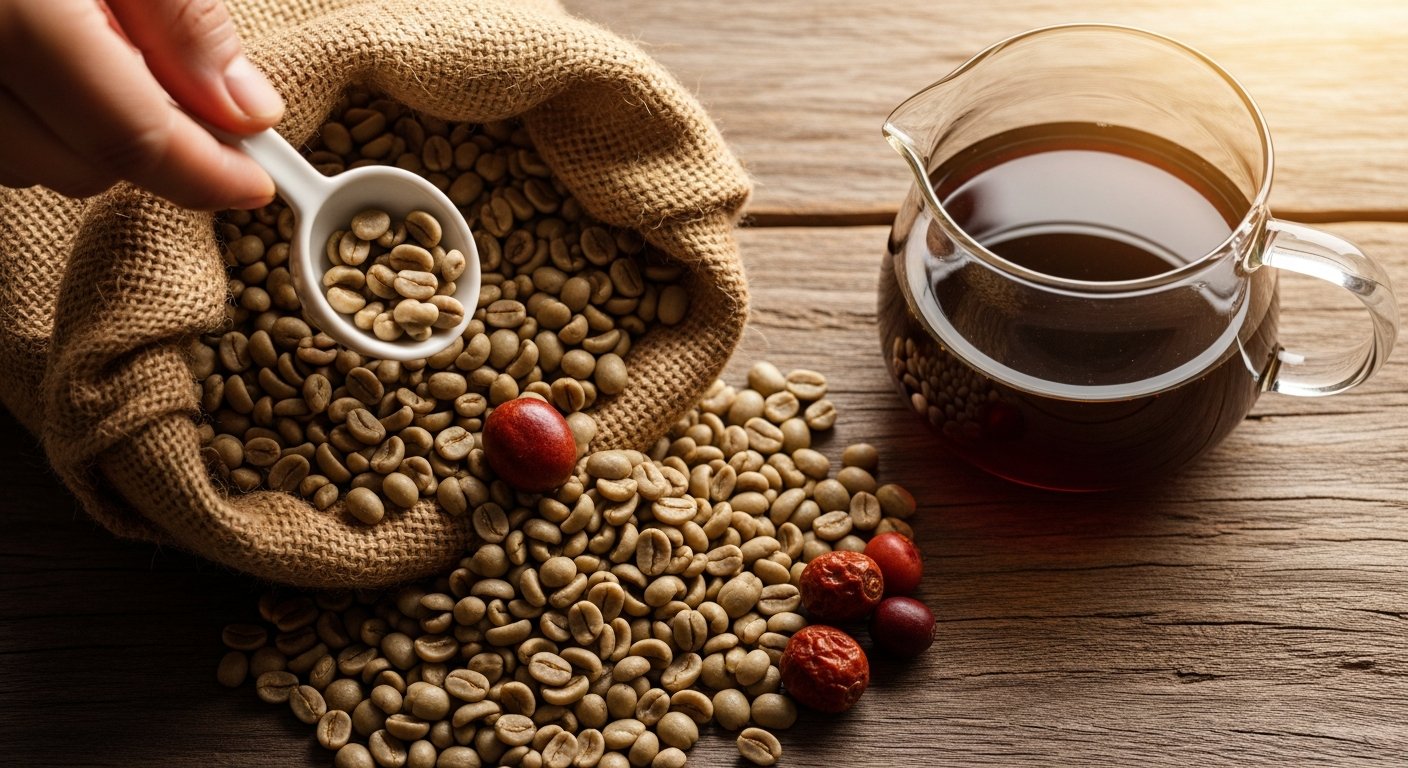
Imagine opening a bag of coffee that tastes like the season itself. A washed Ethiopian from the recent harvest brings bright lemon and jasmine, while a natural-process Brazilian from the same year offers nutty, chocolate sweetness. This is the promise of fresh crop seasonal single origin coffee. For home brewers and cafe owners alike, understanding the harvest cycle and knowing how to choose, store, and brew these beans transforms your daily cup from ordinary to extraordinary.
Seasonal single origin coffee fresh crop guide is more than a marketing phrase. It represents the intersection of agriculture, flavor science, and ethical sourcing. Coffee is a fruit, and like apples or grapes, its quality peaks shortly after harvest. A fresh crop bean, typically roasted within three to six months of harvest, retains volatile aromatic compounds that degrade over time. By selecting beans from the current harvest season, you lock in the terroir, processing method, and roast profile that the producer intended.
This guide walks you through the entire journey: why fresh crop matters, how to read harvest and roast dates, which origins shine in each season, and how to dial in your brew for maximum flavor. Whether you are a curious beginner or a seasoned professional, these insights will help you make informed purchases and enjoy coffee at its absolute peak.
Why Fresh Crop Single Origin Coffee Matters for Flavor
The difference between fresh crop and older coffee is not subtle. Coffee beans are porous and contain oils, sugars, and acids that evolve after roasting. Within the first two weeks post-roast, beans degas and develop sweetness. Over the next few months, those delicate floral and fruity notes fade, leaving a flat, papery taste. Fresh crop coffee, sourced from the most recent harvest and roasted within weeks of arrival, preserves the vibrant characteristics that make single origin beans so special.
Consider a washed Kenyan coffee. In a fresh crop, you taste blackcurrant, tomato, and winey acidity. After eight months on a shelf, those notes become muted. The acidity softens into a generic sourness, and the fruitiness disappears. The same principle applies to natural Ethiopians, honey-processed Colombians, and anaerobic-fermented Costa Ricans. Freshness is not just about roast date. It is about the entire supply chain: harvest timing, shipping speed, and inventory turnover.
Roasters who prioritize fresh crop relationships work directly with producers to secure beans from the current harvest. They often cupping (tasting) the new arrival and adjust roast profiles to highlight the year’s unique character. When you buy fresh crop single origin coffee, you support this cycle and taste the true expression of the farm.
Understanding Coffee Harvest Seasons Around the World
Because coffee is grown in tropical regions, harvest times vary by hemisphere and microclimate. Knowing these patterns helps you anticipate when to buy specific origins.
Northern Hemisphere Harvests (Central America, Mexico, parts of Africa)
Countries like Guatemala, Costa Rica, Honduras, and Mexico harvest from October to March. The peak is often December through February. Fresh crop beans from these origins typically arrive at roasters in January through April. If you are buying a Guatemalan coffee in November, it is likely from the previous year’s harvest. That is not necessarily bad, but it is not fresh crop.
Southern Hemisphere Harvests (Brazil, Colombia, Peru, Bolivia)
Brazil’s main harvest runs from April to September. Colombia has two harvests: the main crop from March to June and a smaller fly crop from October to December. Peruvian and Bolivian harvests peak from May to August. Fresh crop beans from these countries arrive between August and November.
East African Harvests (Ethiopia, Kenya, Rwanda, Burundi)
Ethiopia’s harvest is from October to January, with fresh crop arriving in March and April. Kenya’s main crop runs from October to December, with arrivals in February and March. Rwanda and Burundi harvest from March to July, with fresh crop arriving from August to October.
To stay current, follow roasters that publish harvest dates or origin lot numbers. Many specialty roasters include a harvest year on the bag. A coffee labeled “2025 harvest” bought in November 2025 is fresh crop. The same coffee bought in August 2026 is not.
How to Read Coffee Labels for Fresh Crop Assurance
Not all labels are created equal. To ensure you are getting fresh crop single origin coffee, look for these specific indicators on the package or website:
- Harvest year or season (e.g., “2025 Harvest” or “Spring 2026”)
- Roast date (not just a “best by” date)
- Lot or microlot number that ties back to a specific producer and harvest
- Processing method and elevation (indicators of quality and traceability)
- Flavor notes that align with fresh crop characteristics (bright acidity, pronounced fruit, clean finish)
If a bag only says “single origin” without a harvest year, ask the roaster directly. Reputable roasters are transparent. They know that fresh crop coffee sells better because it tastes better. In our guide on dialing in organic single origin beans for home espresso, we explain how to adjust grind size and dose for beans that are within weeks of harvest. The same principles apply to pour-over and immersion brewing.
Be cautious of terms like “new crop” without a specific year. Some importers use this phrase loosely. Always verify. A fresh crop coffee should be no more than six months past harvest when roasted, and you should consume it within four to eight weeks of roasting for optimal flavor.
Seasonal Drinking Guide: Best Origins by Time of Year
One of the joys of following fresh crop cycles is that your coffee menu naturally aligns with the seasons. Here is a practical guide to what to buy and when.
Winter (December to February)
This is peak harvest season for Central America and Ethiopia. Look for fresh crop washed Ethiopians (Yirgacheffe, Guji, Sidama) with floral, tea-like profiles. Also watch for early arrivals from Kenya. These coffees brighten dark winter mornings with their crisp acidity and complex fruit notes.
Spring (March to May)
Central American fresh crops arrive in full force. Expect Guatemalan, Honduran, and Costa Rican beans with balanced acidity, chocolate, and stone fruit. This is also when Ethiopian naturals and washed Kenyans hit their stride. The flavors are lighter and more vibrant, matching the energy of spring.
Summer (June to August)
Brazil and Colombia fresh crops arrive. Brazilian naturals offer nutty, chocolatey sweetness perfect for iced coffee and cold brew. Colombian beans bring caramel and red apple notes. This is also the time for fresh crop from Peru and Bolivia. These coffees are versatile, working well for both hot and cold brewing.
Fall (September to November)
East African fresh crops from Rwanda, Burundi, and Kenya arrive. These coffees often have winey acidity, dark berry, and savory undertones. It is also the start of the new harvest cycle for Central America. Fall is a transitional season when you can explore both the tail end of southern hemisphere crops and the first arrivals from the north.
Storing Fresh Crop Coffee to Preserve Peak Flavor
You have invested in fresh crop single origin beans. Now protect that investment. Improper storage is the fastest way to ruin a beautiful coffee. Follow these rules:
- Buy whole bean, not pre-ground. Grinding increases surface area and accelerates staling. Grind only what you need immediately before brewing.
- Store in an airtight container. Use a ceramic or glass canister with a one-way valve. Avoid plastic bags or containers that allow air exchange.
- Keep away from light, heat, and moisture. Store in a cool, dark cabinet. Do not refrigerate or freeze unless you plan to keep the beans for more than four weeks. If freezing, portion into airtight bags and use within three months.
- Buy in two-week increments. Fresh crop coffee tastes best within two to four weeks of roasting. Buy enough for 14 to 21 days, then reorder.
- Let the coffee degas properly. If you receive beans within 24 hours of roasting, wait three to five days before brewing. This allows carbon dioxide to escape and flavors to stabilize.
When you follow these steps, the bright acidity, delicate florals, and clean finish of fresh crop coffee remain intact for the entire bag. You will notice a dramatic difference compared to beans stored in a pantry for months.
Brewing Techniques That Highlight Fresh Crop Character
Fresh crop beans are more active and soluble than older beans. They produce more bloom (degassing) and extract flavor faster. Adjust your brewing approach accordingly.
For pour-over methods like V60 or Chemex, use a slightly coarser grind than you would for older beans. Fresh crop coffee releases flavors quickly, and a finer grind can cause over-extraction and bitterness. Start with a 1:16 coffee-to-water ratio and adjust. The bloom phase should be generous: use 2.5 to 3 times the coffee weight in water and let it bloom for 30 to 45 seconds. This allows the fresh gases to escape and ensures even extraction.
For espresso, fresh crop beans require a finer grind than older beans, but you may need to lower the dose slightly to avoid channeling. The higher solubility means you can extract full flavor with a slightly shorter ratio (1:1.8 to 1:2). In our dialing guide linked earlier, we detail how to adjust pressure profiling and temperature for fresh crop beans.
Cold brew also benefits from fresh crop origins. Use a coarser grind and a longer steep time (16 to 20 hours) at room temperature. The result is a smooth, sweet concentrate that retains the origin’s character without harsh bitterness.
The Ethical and Economic Case for Fresh Crop Coffee
Choosing fresh crop single origin coffee is not just about taste. It supports a more transparent and equitable supply chain. When roasters buy fresh crop, they pay a premium to producers for quality. They also build long-term relationships that provide farmers with income stability. Older coffee, often sold as commodity blends, sits in warehouses for months or years, and producers receive a smaller share of the final price.
Fresh crop coffee also reduces waste. Roasters can turn inventory quickly, minimizing the risk of stale coffee being discarded. By buying fresh crop, you signal to the entire industry that you value quality and sustainability. Over time, this demand encourages more producers to invest in proper harvesting, drying, and storage practices.
For the home barista, the cost difference is minimal. A bag of fresh crop single origin coffee might cost one or two dollars more than a generic blend. The flavor payoff is enormous. You also gain the satisfaction of knowing exactly where your coffee came from and when it was harvested.
Building a Seasonal Coffee Rotation
Once you understand the fresh crop cycle, you can create a personal coffee calendar. Here is a sample rotation to inspire you:
- January to March: Fresh crop Ethiopian washed and natural, Kenyan AA, Guatemalan Antigua
- April to June: Costa Rican Tarrazu, Honduran Marcala, Colombian Excelso
- July to September: Brazilian Cerrado, Peruvian Chanchamayo, Bolivian Caranavi
- October to December: Rwandan Nyamasheke, Burundian Kayanza, early Central American arrivals
This rotation ensures you always have beans at their peak. It also introduces variety into your routine. Each season brings new flavors to explore, and your palate will adapt to the subtle differences between harvest years.
You can also explore different processing methods within the same origin. A washed Ethiopian from the same farm will taste completely different from a natural-processed one. Fresh crop allows you to compare these side by side with confidence that the flavors are accurate and not muted by age.
The world of seasonal single origin coffee fresh crop guide is a journey, not a destination. Each harvest is unique. Weather, soil conditions, and processing decisions create a coffee that exists only once. When you drink it fresh, you capture that moment in time. The acidity is sharper, the sweetness more pronounced, and the finish cleaner than any aged coffee can deliver.
Start today by checking the harvest date on your current bag. If it is from the previous year, consider ordering a fresh crop replacement. Your taste buds will thank you, and you will never look at coffee the same way again.