
Micro Lot Coffee: What Makes It Special and How to Source
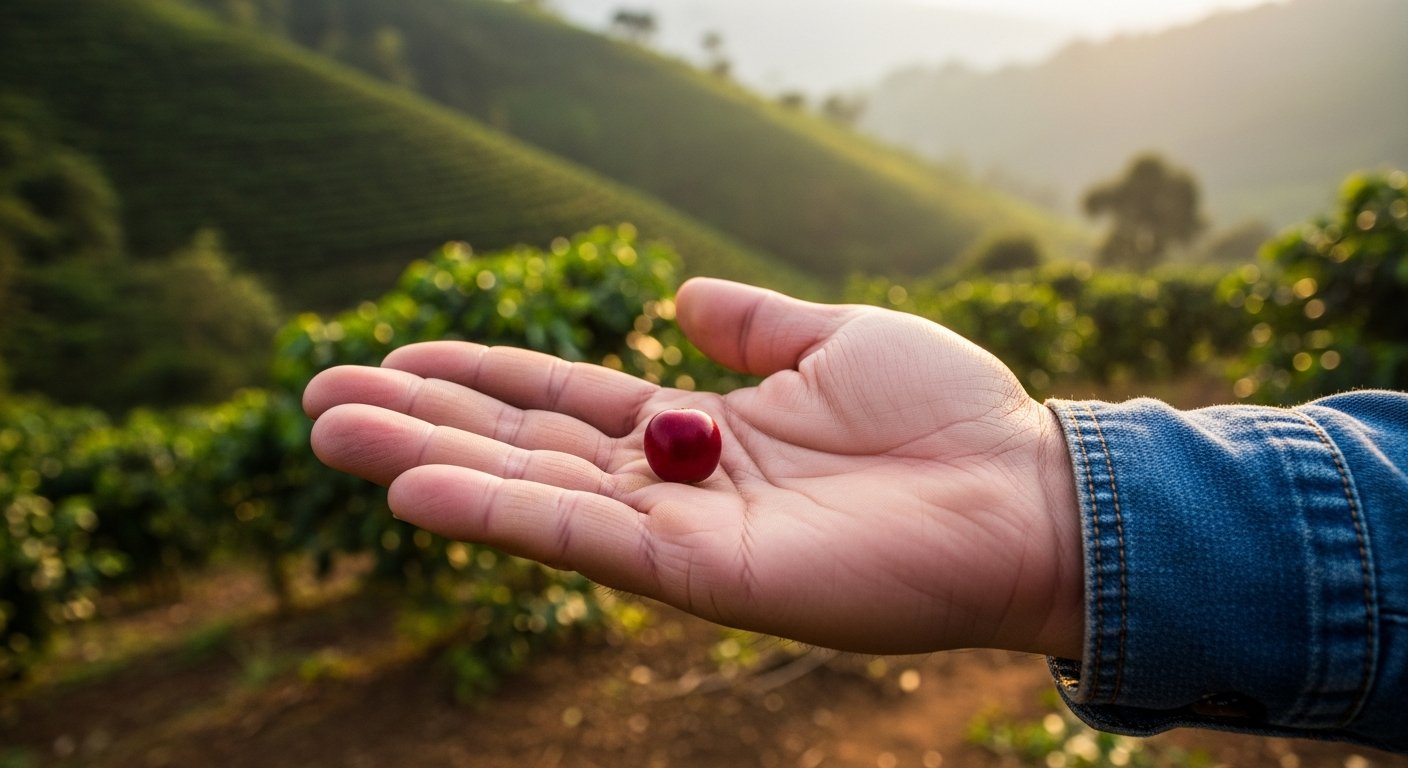
Imagine tasting a coffee that tells the story of a single hillside, a specific harvest day, and a farmer’s meticulous care. That is the promise of micro lot coffee. Unlike mass-produced beans blended for consistency, micro lots are small batches of exceptional coffee from a defined area on one farm. They offer flavors you simply cannot find in standard blends. For coffee lovers and professionals alike, understanding micro lot coffee what makes it special and how to source it unlocks access to the world’s most unique and rewarding cups. This article explains the defining characteristics of micro lots, why they command premium prices, and a practical step-by-step approach to sourcing them for your home or business.
Defining Micro Lot Coffee
A micro lot is a small, separated batch of coffee typically harvested from a specific section of a farm, a single variety of plant, or even a particular day’s pick. The size varies but usually ranges from a few hundred pounds to a few thousand pounds of green beans. The key distinction is traceability. With commodity coffee, beans from hundreds of farms are mixed together. With a micro lot, you can often trace the coffee back to a specific farmer, the exact altitude, soil type, and processing method used.
This precision allows producers to experiment with fermentation techniques, drying times, and varietals. The result is a coffee with a distinct flavor profile that reflects its terroir, similar to fine wine. For roasters and baristas, micro lots become a canvas for showcasing the peak expression of a coffee’s potential. When you ask micro lot coffee what makes it special and how to source it, the answer begins with this radical commitment to quality and individuality over volume.
What Makes Micro Lot Coffee Special
The uniqueness of micro lot coffee stems from three core factors: meticulous farming, traceable origins, and extraordinary flavor. These elements combine to create an experience that standard blends cannot replicate.
Exceptional Flavor and Complexity
Because micro lots are harvested and processed with extreme care, they often exhibit vibrant, clean, and complex flavor notes. You might encounter tasting notes of jasmine, bergamot, dark chocolate, stone fruit, or even wine-like acidity. The flavors are more pronounced and distinct because the beans are not diluted by mixing with lower-quality harvests. A well-sourced micro lot can transform your morning cup into a sensory journey. In our guide on Micro Lot Coffee: What Makes It So Special?, we explain how these flavors develop from farm to cup.
Direct Relationship with Producers
Micro lots are often purchased through direct trade relationships. Roasters and importers work directly with farmers, paying a premium above fair trade or commodity prices. This model supports sustainable farming practices and incentivizes quality. For the buyer, it means knowing exactly who grew your coffee and how they were compensated. This transparency builds trust and ensures that the farmer benefits from the coffee’s high value.
Limited Availability and Exclusivity
By definition, micro lots are small. Once they are sold out, that specific coffee is gone forever. This scarcity adds to their allure. For coffee shops and enthusiasts, offering a micro lot creates a sense of discovery and urgency. It also allows roasters to rotate offerings frequently, keeping the menu fresh and exciting. The limited nature is a key part of micro lot coffee what makes it special and how to source it successfully.
How to Source Micro Lot Coffee
Sourcing micro lot coffee requires a different approach than buying standard green beans. You need to build relationships, verify quality, and understand the supply chain. Here is a practical framework for finding and purchasing exceptional micro lots.
Before you begin, clarify your goals. Are you a home roaster seeking a single origin for personal enjoyment? Or are you a cafe owner looking to offer a rotating single origin espresso? Your scale and budget will determine which sourcing channels are most appropriate. Here are the key steps to follow:
- Connect with Specialty Importers: Companies like Crop to Cup, Ally Coffee, and Cafe Imports specialize in sourcing micro lots from top-producing regions. They often have online catalogs with detailed flavor profiles, farm stories, and cupping scores. Request samples and review their traceability documentation.
- Attend Coffee Expos and Auctions: Events such as the Specialty Coffee Expo or the Cup of Excellence auctions are prime venues to taste and bid on micro lots. You can meet producers directly, cup their coffees, and negotiate purchases. These events also provide education on current trends in processing and varietals.
- Build Direct Trade Relationships: If you have the volume, consider traveling to origin countries like Ethiopia, Colombia, or Kenya. Visit farms, cup with producers, and agree on a price that reflects the lot’s quality. Direct trade eliminates middlemen and gives you exclusive access to the best lots.
- Use Online Marketplaces: Platforms like Ally Coffee Marketplace or Royal Coffee’s Crown Jewels offer curated micro lots for purchase online. These are excellent for small-scale roasters who cannot travel. Always check the harvest date and storage conditions before buying.
After you identify potential lots, always request samples. Roast them to your preferred profile and cup them blind alongside other candidates. Evaluate clarity, sweetness, acidity, body, and aftertaste. A micro lot should score 85 points or higher on the Specialty Coffee Association (SCA) scale to justify its premium price. Document your findings and compare them to the seller’s tasting notes to ensure accuracy.
Evaluating Quality and Price
Micro lot coffee can cost three to five times more than standard specialty coffee. The high price reflects the labor-intensive farming, lower yields, and careful processing. However, not every expensive coffee is worth the investment. You need a system for evaluating value.
Consider these factors when assessing a micro lot:
- Cupping Score: Look for lots scoring 86 or above. Scores of 88 or higher indicate truly exceptional coffee.
- Traceability: The best micro lots include the farm name, region, altitude, varietal, and processing method. Avoid lots with vague origins.
- Freshness: Green coffee should be from the most recent harvest (within 6-12 months). Older beans lose flavor vibrancy.
- Consistency: Roast a sample and check for uniformity in bean size and color. Inconsistent beans indicate poor sorting.
- Producer Reputation: Research the farm or cooperative. Awards, certifications (e.g., organic, Rainforest Alliance), and positive reviews from other roasters are good signs.
When you understand micro lot coffee what makes it special and how to source it, you can confidently pay a premium for genuine quality. Avoid paying high prices for lots that lack proper documentation or cupping scores. Always negotiate on price if you are buying multiple bags or committing to a long-term relationship with a producer.
Storing and Roasting Micro Lots
Once you have sourced a micro lot, proper storage and roasting are critical to preserving its unique qualities. Green coffee beans are living seeds that continue to evolve. Store them in a cool, dry place away from sunlight and strong odors. Use breathable GrainPro bags or sealed containers with one-way valves if you plan to roast within a few weeks. For longer storage, consider freezing green beans in vacuum-sealed bags.
Roasting micro lots requires a gentler approach than standard blends. Because the beans are often denser and more delicate, avoid aggressive heat application. Develop a roast profile that highlights the coffee’s inherent sweetness and acidity without introducing roast defects. Light to medium roasts typically showcase the best characteristics of a micro lot. Take detailed notes on charge temperature, development time, and cooling rate for each batch. Adjust your profile based on cupping results until you achieve the desired flavor expression.
For baristas and cafe owners, serving micro lots as a pour-over or single origin espresso allows customers to appreciate the full spectrum of flavors. Train your staff to explain the story behind the coffee, including the farm, processing method, and tasting notes. This narrative adds value and justifies the higher price point on your menu.
Challenges and Considerations
Sourcing micro lot coffee is not without risks. The limited supply means you may not be able to offer the same coffee for more than a few weeks. This requires constant menu rotation and customer education. Some customers may be resistant to paying higher prices for a smaller cup. You need to communicate the value clearly through signage, staff training, and tasting events.
Another challenge is consistency. Even within a micro lot, natural variations in weather, processing, and storage can affect flavor from season to season. Develop a relationship with your supplier so you can anticipate these changes and adjust your roasting accordingly. Finally, be prepared for the possibility that a highly anticipated lot may not meet your expectations. Always cup before committing to a large purchase.
Despite these challenges, the rewards of sourcing micro lots are substantial. You gain access to the most expressive coffees in the world, support sustainable farming communities, and differentiate your brand in a competitive market. For the dedicated coffee professional or enthusiast, micro lot coffee what makes it special and how to source it is a journey worth taking.
Building a Micro Lot Program
If you are a cafe owner or roastery, consider creating a dedicated micro lot program. This could be a rotating single origin offering on your drip menu, a featured espresso for a limited time, or a subscription service that delivers a new micro lot each month. Start with one or two lots per quarter and expand as you build relationships with suppliers.
Promote your program through social media, email newsletters, and in-store signage. Share photos of the farm, interviews with the producer, and tasting notes. Host cupping events where customers can compare different micro lots side by side. This engagement builds a community around quality coffee and encourages repeat visits. Over time, your reputation as a source for rare, exceptional coffee will attract discerning customers who are willing to pay for the experience.
Remember that success in micro lot sourcing depends on curiosity, patience, and a willingness to invest in relationships. The best lots often go to buyers who have proven their commitment to quality and fair compensation. By following the strategies outlined here, you can consistently find and offer coffees that truly stand out.
Micro lot coffee represents the pinnacle of what the coffee world can achieve. It rewards everyone in the chain, from the farmer who nurtures the trees to the drinker who savors the final sip. By understanding micro lot coffee what makes it special and how to source it, you become part of a movement that values taste, transparency, and tradition. Start small, taste widely, and let the coffee guide your choices.