
7 Home Cafe Aesthetic Design Tips for Coffee Station
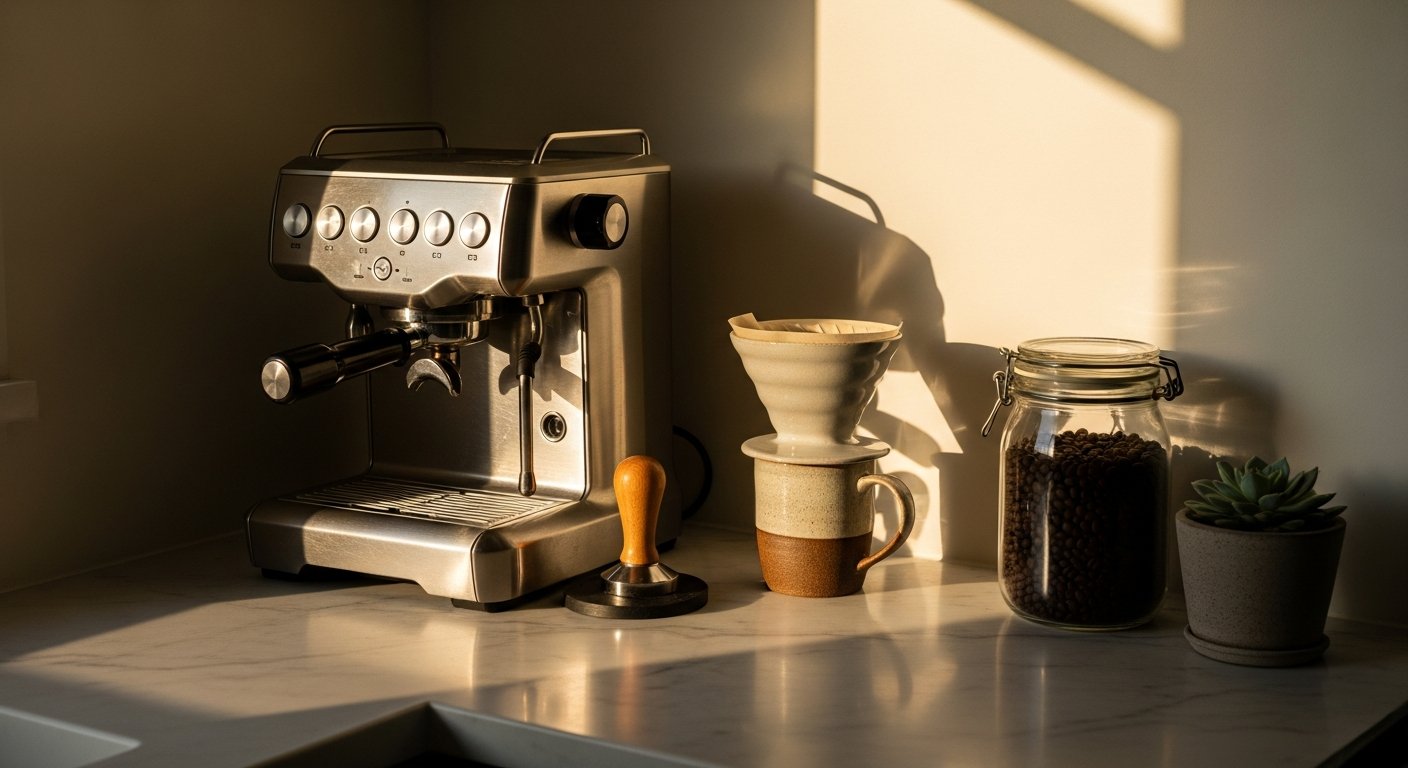
Your morning coffee ritual deserves more than a cluttered countertop. A thoughtfully designed coffee station transforms your kitchen into a personal cafe, where every cup feels like a small ceremony. Whether you have a sprawling kitchen island or a compact corner, applying intentional home cafe aesthetic design tips for coffee station can elevate your daily brew from routine to ritual. The key lies in blending functionality with visual appeal so that your space works hard and looks beautiful.
Many coffee lovers struggle with countertop chaos: bags of beans spilling over, mismatched mugs, and a jumble of gadgets. But with a few strategic choices, you can create a dedicated zone that streamlines your workflow and brings joy every time you walk past. In our guide on designing your dream coffee station, we explore how small adjustments in layout, materials, and storage can yield a professional-grade setup at home.
This article walks you through seven actionable design principles, from selecting the perfect location to adding personalized accents. Each tip builds on the last, helping you craft a coffee station that is both efficient and visually cohesive. By the end, you will have a clear roadmap to create a space that invites you to linger, sip, and savor.
Choose the Right Location and Layout
The foundation of any great coffee station is its placement. Look for a spot that is near a water source and power outlet, but also out of the main traffic flow. A dedicated countertop section, a rolling cart, or even a repurposed sideboard can work. The goal is to create a zone that feels intentional, not an afterthought.
Consider how you move when making coffee. Your workflow should flow from left to right (or right to left, depending on your dominant hand): beans or pods, grinder, brewer, then finished cup. Leave at least 12 to 18 inches of clear counter space around your machine for grinding, tamping, and pouring. This layout reduces clutter and prevents accidental spills.
If space is tight, a tiered cart with shelves allows you to store supplies vertically. Keep frequently used items like your espresso machine and grinder on the top shelf, mugs on the middle shelf, and syrups or beans on the bottom. This approach maximizes every inch while maintaining a clean, open look.
Select a Cohesive Color Palette
A unified color scheme is the secret weapon of professional interior designers. For your coffee station, choose two or three complementary colors that tie your accessories together. Neutral bases like white, cream, or soft gray work well because they let your coffee equipment stand out. Then add a pop of color through a backsplash tile, a painted cabinet, or a vibrant kettle.
For a warm, inviting vibe, consider earth tones: terracotta, olive green, and warm wood. For a modern, minimalist feel, go with matte black, stainless steel, and white. The key is consistency: if your espresso machine is matte black, choose a black grinder and black canisters. This repetition creates visual harmony and makes the station look curated rather than chaotic.
Do not forget the walls. A small shelf with a trailing plant or a framed art print can add personality without overwhelming the space. Stick to your palette for these accents as well. A cohesive color story makes even a small station feel expansive and intentional.
Invest in Quality Storage Solutions
Visible clutter is the enemy of aesthetic appeal. To keep your countertops clear, invest in storage that is both functional and beautiful. Airtight canisters for beans, sugar, and tea bags not only preserve freshness but also serve as decorative elements. Choose glass jars with cork lids or ceramic containers with wood tops to add texture and warmth.
For smaller items like filters, stir sticks, and cleaning tools, use drawer organizers or small baskets. A bamboo drawer insert inside a cabinet keeps everything tidy and accessible. If you have open shelving, group similar items together: all mugs on one shelf, all brewing tools on another. This visual grouping creates a sense of order.
Here are three storage solutions that balance form and function:
- Magnetic spice racks on the side of a cabinet can hold metal tins of coffee pods or small tools, keeping them off the counter.
- A tiered spice rack inside a cabinet doubles as a coffee pod organizer, allowing you to see all flavors at a glance.
- Wall-mounted shelves above the station provide extra space for mugs, books, and decorative objects without sacrificing counter area.
Each solution should match your aesthetic. A sleek brass or matte black rack fits modern kitchens, while a rustic wooden shelf suits farmhouse decor. The right storage not only reduces clutter but also adds a layer of design sophistication.
Layer Lighting for Ambiance and Function
Lighting can make or break the mood of your coffee station. Overhead kitchen lights often cast harsh shadows, making it hard to see your measurements or your latte art. Instead, add task lighting directly above or behind the station. A small under-cabinet LED strip provides bright, even light for early mornings. For a softer glow, place a small table lamp on the counter or a string of warm fairy lights along the shelf.
Consider the color temperature of your bulbs. Warm white (2700K to 3000K) creates a cozy, cafe-like atmosphere. Cool white (4000K and above) is better for task lighting but can feel clinical. If you can, install a dimmer switch so you can adjust the brightness depending on the time of day or your mood.
Decorative lighting also adds character. A small neon sign with a coffee quote, a vintage pendant lamp, or a pair of brass sconces can become the focal point of your station. Just ensure that the light source does not cast glare on your equipment or create hot spots that affect your coffee brewing temperature.
Curate Your Equipment and Accessories
Resist the urge to display every gadget you own. A curated selection of high-quality tools looks more intentional and reduces visual noise. Start with the essentials: your coffee maker (drip machine, espresso machine, or pour-over setup), a grinder, and a kettle. Then add one or two decorative accessories, such as a ceramic pour-over dripper or a stylish milk frother.
Choose equipment that shares a design language. For example, a matte white espresso machine paired with a wooden-handled tamper and a glass carafe creates a cohesive look. If your machine is stainless steel, opt for brushed metal or black accessories to complement it. Avoid mixing too many materials or colors, as this can make the station feel disjointed.
When selecting mugs and cups, think about both form and function. A set of matching ceramic cups in a neutral tone is versatile and photogenic. If you prefer variety, limit your collection to a single color family, such as all cream or all indigo. This restriction keeps the display harmonious while still allowing for personal expression.
Incorporate Natural Elements and Greenery
Plants and natural materials soften the hard edges of metal appliances and add life to your coffee station. A small potted succulent, a trailing pothos, or a vase of fresh eucalyptus brings color and texture. Place the plant where it will not be splashed with hot water or coffee grounds, such as on a high shelf or the far corner of the counter.
Wooden elements also add warmth. A bamboo coffee scoop, a wooden cutting board used as a trivet, or a walnut tray for organizing pods introduces organic texture. These materials contrast nicely with glossy ceramic and stainless steel, creating visual interest without overwhelming the space.
Be mindful of maintenance. Choose plants that thrive in low light and tolerate dry air, like snake plants or ZZ plants. For a zero-maintenance option, consider high-quality faux plants that look realistic. Natural elements should enhance your station, not become a chore to maintain.
Add Personal Touches and Seasonal Accents
The final layer of design is personality. Your coffee station should reflect your taste and interests. Display a small art print that inspires you, a collection of vintage spoons, or a framed photo from your favorite cafe. These personal objects make the space feel uniquely yours.
Seasonal updates keep the station feeling fresh. In autumn, swap in a copper mug for your cold brew and display a small pumpkin. In winter, add a mini evergreen branch and a red kettle. These small changes cost little but provide ongoing delight. Just be careful not to overcrowd the space; limit seasonal decor to one or two pieces at a time.
Another way to personalize is through your coffee bean selection. Rotate beans from different origins and display the bags in clear canisters. This not only keeps your coffee fresh but also becomes part of the decor. The colors and labels of specialty coffee bags can serve as an ever-changing art display.
Finally, consider adding a small tray or lazy Susan to corral daily-use items like sugar packets, stir sticks, and a thermometer. This keeps essentials within reach while maintaining a tidy appearance. A well-loved coffee station evolves with you, so feel free to swap out accessories as your tastes change.
Building a home cafe aesthetic is about more than just appearance. It is about creating a space that supports your coffee ritual and brings you joy every morning. By applying these home cafe aesthetic design tips for coffee station, you can transform a simple counter into a personal sanctuary. Start with one change, whether it is clearing clutter or adding a plant, and build from there. Your perfect coffee station is waiting to be brewed.