
Bolivia Single Origin Coffee Altitude Flavor Guide
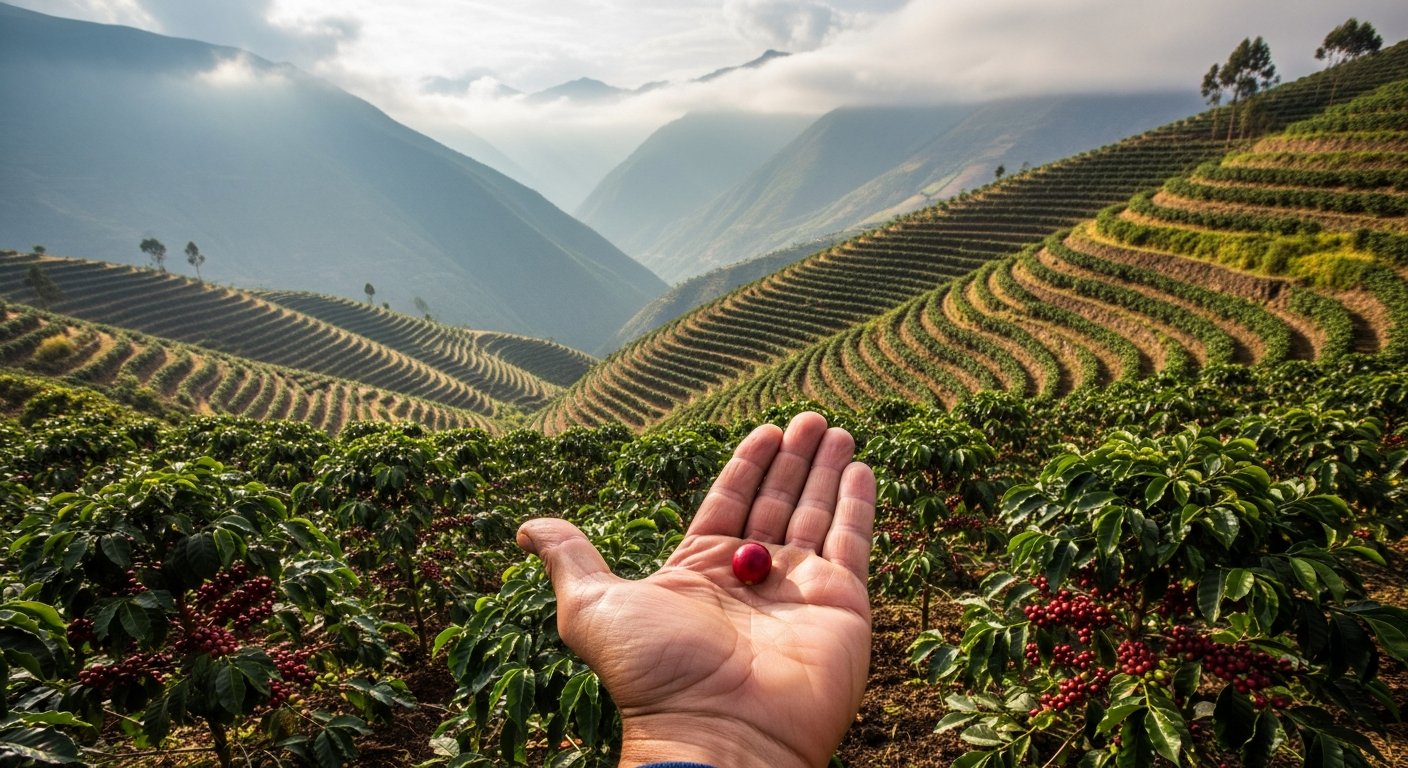
When coffee enthusiasts talk about altitude and flavor, Bolivia often emerges as a fascinating case study. This landlocked country grows some of the most distinctive single origin coffees in the world, largely because of its extreme growing elevations. The relationship between altitude and taste is not just a technical detail: it is the defining factor that shapes every cup. Understanding how altitude influences Bolivia single origin coffee altitude flavor guide will transform the way you select, brew, and appreciate these remarkable beans. In this guide, we explore the science behind elevation, the flavor profiles it creates, and how to choose the perfect Bolivian coffee for your palate.
Why Altitude Matters in Bolivian Coffee
Coffee plants are sensitive to their environment. Altitude affects temperature, air pressure, and oxygen levels, all of which influence how the coffee cherry matures. At higher elevations, cooler temperatures slow down the ripening process. This extended maturation allows the bean to develop more complex sugars and acids. In Bolivia, coffee is grown between 1,200 and 2,500 meters above sea level. At these heights, the beans spend more time on the branch, absorbing nutrients and developing dense cellular structures. The result is a cup that is brighter, more aromatic, and layered with subtle notes that lower altitude coffees cannot replicate.
Bolivia’s geography is extreme. The Andes mountains create steep slopes and microclimates that vary from valley to valley. Farmers in regions like Caranavi, Yungas, and Cochabamba work at elevations that challenge both plant and farmer. Yet these challenges produce coffee that stands out in a crowded market. When you see a bag labeled “Bolivia single origin coffee altitude flavor guide” as a reference point, you are looking at a promise of distinctiveness. The altitude is not just a number: it is a shorthand for the flavor journey ahead.
Altitude Ranges and Their Flavor Signatures
Bolivian coffee is typically classified into three altitude bands. Each band imparts a different character to the cup. Knowing these bands helps you predict what you will taste before you brew.
Low Altitude (1,200 to 1,500 meters)
Coffees grown at lower elevations in Bolivia tend to be fuller bodied with lower acidity. They often exhibit chocolate, nut, and caramel notes. These beans are more forgiving to roast and brew, making them a good entry point for those new to single origin coffee. The slower ripening at this range is still beneficial, but the flavor profile is less complex than higher grown beans. Expect a smooth, comforting cup with a creamy mouthfeel.
Mid Altitude (1,500 to 1,800 meters)
This is where Bolivian coffee starts to show its personality. Acidity becomes more pronounced, often described as citrus or stone fruit. You might detect hints of orange, peach, or green apple. The body remains medium, and the aftertaste is clean. Mid altitude beans are versatile: they work well for both filter and espresso preparations. Many specialty roasters favor this range because it balances drinkability with complexity.
High Altitude (1,800 to 2,500 meters)
At the highest elevations, Bolivian coffee reaches its peak expression. Acidity is bright and wine like. Flavor notes include berry, floral, and sometimes tropical fruit. The bean density is high, requiring careful roasting to avoid scorching. These coffees are prized by connoisseurs for their clarity and nuance. A high altitude Bolivian single origin can taste like a fruit tea with a silky body. The altitude flavor guide for this range emphasizes elegance over power.
The following list summarizes key traits for each altitude band:
- Low altitude (1,200-1,500m): Chocolate, nut, caramel, low acidity, full body.
- Mid altitude (1,500-1,800m): Citrus, stone fruit, medium acidity, balanced body.
- High altitude (1,800-2,500m): Berry, floral, tropical, high acidity, dense body.
These categories are guidelines, not strict rules. Microclimate, soil composition, and processing method also play significant roles. However, the altitude flavor guide provides a reliable framework for exploration.
How Processing Methods Interact with Altitude
Altitude sets the raw potential of the bean, but processing determines how that potential is expressed. In Bolivia, three main processing methods are common: washed, natural, and honey. Each interacts with altitude in unique ways.
Washed processing is the most traditional in Bolivia. The cherry is depulped, fermented, and washed to remove all mucilage. This method highlights the clean acidity and floral notes associated with high altitude coffees. A washed Bolivian from 2,000 meters will taste bright and tea like, with a crisp finish. Natural processing, where the whole cherry is dried before milling, adds fruit forward sweetness and body. For mid altitude beans, natural processing can amplify stone fruit and berry notes. Honey processing, which leaves some mucilage on the bean during drying, creates a middle ground: acidity is softened, and sweetness is enhanced. When paired with high altitude beans, honey processed coffee can taste like caramelized sugar with hints of tropical fruit.
For those interested in how processing affects espresso specifically, our guide on Organic Single Origin Espresso Beans Flavor Guide provides deeper insight into bean selection for espresso brewing. The principles of altitude and processing apply across brewing methods, but espresso extraction demands particular attention to bean density and solubility.
Brewing Recommendations by Altitude
Choosing the right brewing method for your Bolivian coffee can make or break the experience. High altitude beans, with their dense structure, require a finer grind and hotter water to extract fully. Low altitude beans, which are less dense, need a coarser grind and slightly cooler water to avoid over extraction.
For high altitude Bolivian coffee, consider pour over methods like V60 or Chemex. These methods highlight clarity and brightness. Use water at 96-98 degrees Celsius and a grind size similar to table salt. Aim for a brew ratio of 1:16. The result will be a clean, vibrant cup that showcases the altitude flavor guide’s promise of complexity.
For mid altitude beans, an AeroPress or French press works well. These methods preserve body while allowing acidity to shine. Water temperature can be slightly lower, around 92-94 degrees Celsius. Experiment with immersion times: a longer steep (4 minutes) for French press brings out chocolate notes, while a shorter steep (2 minutes) in AeroPress emphasizes fruit.
Low altitude Bolivian coffee is excellent for espresso or milk based drinks. Its lower acidity and full body stand up to milk without becoming sour. If you brew it as filter coffee, use a coarser grind and lower water temperature to avoid bitterness. The altitude flavor guide suggests treating low altitude beans as comfort coffee: approachable, forgiving, and satisfying.
Seasonal and Regional Variations
Bolivia’s coffee harvest runs from April to September, depending on the region. Freshness matters enormously. A bag of Bolivia single origin coffee altitude flavor guide beans from the current harvest will taste brighter and more aromatic than one from last year. When buying, check the roast date and ask if the coffee is from the current crop.
Different regions also offer distinct profiles. Caranavi, the most famous coffee growing region, produces beans with balanced acidity and notes of chocolate and citrus. Yungas, with its steep valleys, yields coffees with floral and fruity characteristics. Cochabamba’s higher elevations produce some of the most acidic and complex beans in the country. If you see “Caranavi” or “Yungas” on the label, you can expect a flavor profile that aligns with the altitude flavor guide for that area. Always look for regional specificity: it adds another layer of predictability to your purchase.
Storing Your Bolivian Coffee
Once you have selected your Bolivia single origin coffee altitude flavor guide beans, proper storage preserves their delicate flavors. Keep them in an airtight container away from light, heat, and moisture. Do not refrigerate or freeze whole beans unless you plan to use them within a week. Temperature fluctuations cause condensation, which degrades the beans. Instead, store them in a cool, dark cupboard. Grind only what you need immediately before brewing. Pre ground coffee loses volatile aromas within minutes.
Why Bolivia Stands Out in the Single Origin Market
Bolivia produces a fraction of the coffee that Brazil or Colombia does. This scarcity, combined with extreme growing conditions, makes Bolivian single origin coffee a specialty item. The altitude flavor guide is not just a marketing tool: it reflects genuine agricultural constraints and opportunities. When you buy Bolivian coffee, you support smallholder farmers who often work on plots smaller than two hectares. The country’s coffee industry is built on cooperatives and direct trade relationships. Your purchase contributes to sustainable livelihoods in some of the most remote farming communities in the world.
From a flavor perspective, Bolivian coffee offers something that mass produced beans cannot: distinctiveness. Each altitude band, region, and processing method produces a unique cup. The Bolivia single origin coffee altitude flavor guide helps you navigate this diversity with confidence. Whether you prefer the bright acidity of a high altitude washed coffee or the chocolate richness of a low altitude natural, there is a Bolivian bean waiting for you.
As you explore, keep a tasting journal. Note the altitude, region, processing method, and your impressions. Over time, you will develop a personal map of flavors. The altitude flavor guide becomes your compass, pointing you toward the profiles you love most. Bolivia’s coffee landscape is small but deep. Dive in, and you will be rewarded with some of the most memorable cups of your life.