
Yemen Coffee Unique Varietals: Ancient Heirloom Brewing
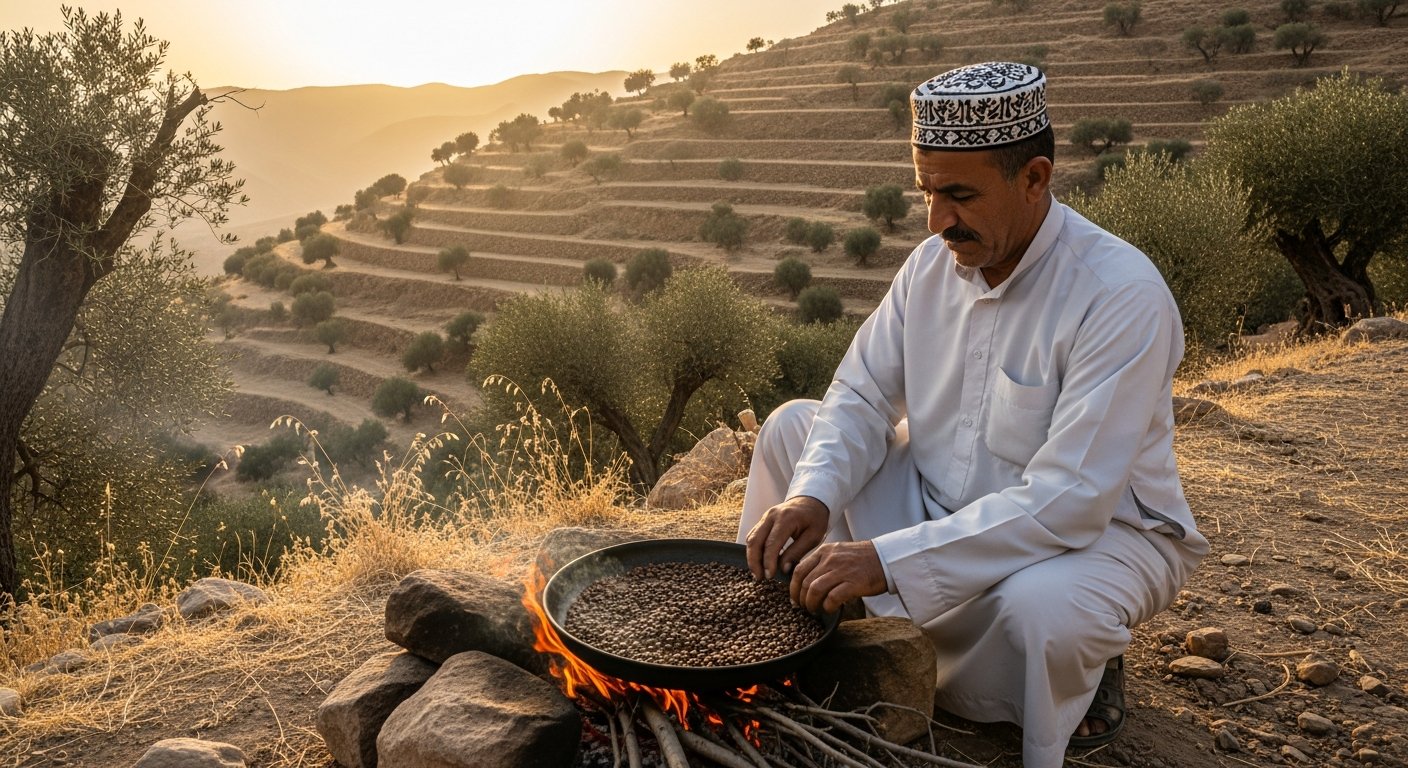
Imagine a coffee that tastes like spice, dried fruit, and ancient earth all at once. A coffee grown on terraced mountainsides where the same trees have been cultivated for centuries, passed down through generations like a family heirloom. This is Yemen coffee, a rare and remarkable category that offers a flavor profile unlike any other in the world. For coffee enthusiasts seeking something truly distinctive, exploring Yemen coffee unique varietals ancient heirloom brewing methods reveals a tradition that predates most modern coffee cultures.
Yemen holds a sacred place in coffee history. It is widely believed that coffee cultivation for trade began here in the 15th century, with the port of Mocha (Al Mokha) giving its name to the beloved chocolate-coffee drink. Unlike the high-yield, disease-resistant hybrids found in most modern coffee farms, Yemeni farmers still grow ancient heirloom varieties. These are not commercial cultivars. They are landrace varieties, adapted over hundreds of years to the harsh, dry climate and high altitudes of the Yemeni highlands. The result is a cup of coffee that is complex, wild, and deeply connected to its terroir.
The brewing methods used in Yemen are equally storied. Traditional Yemeni coffee preparation involves roasting the green beans over an open fire, grinding them with a mortar and pestle, and then simmering the grounds with spices like cardamom, cinnamon, or ginger. This is not a quick pour-over. It is a ceremony, a slow extraction that honors the bean’s heritage. For the modern home barista, replicating this experience requires understanding both the unique characteristics of the bean and the best techniques to draw out its full potential.
What Makes Yemen Coffee Unique: The Heirloom Advantage
The term “heirloom” in coffee often refers to varieties that have not been scientifically bred or hybridized. In Yemen, heirloom means something even more profound. These are the original Typica and Bourbon varieties, brought from Ethiopia centuries ago, that have since evolved in isolation. The genetic diversity of Yemeni coffee is staggering. Each region, each valley, and even each terrace can produce beans with subtly different flavors. This is the opposite of the uniformity prized by large-scale commercial producers.
Yemen coffee unique varietals ancient heirloom brewing starts with the bean itself. These heirloom varieties are smaller, denser, and often more irregular in shape than modern Arabica. Their cell structure is different, holding oils and sugars that create a syrupy body and intense aromatics. When you brew a Yemeni coffee, you are tasting the genetic memory of coffee’s early days. Common heirloom types include Udaini, Dawairi, and Tuffahi, though most exported Yemeni coffee is simply labeled as “Yemen Heirloom” or “Yemen Mocha.”
The growing conditions are extreme and contribute heavily to the flavor. Coffee is grown at altitudes between 5,000 and 8,000 feet, often without irrigation. The plants must fight for water and nutrients, which concentrates their sugars and acids. The dry processing method, where the coffee cherry is dried whole on rooftops or terraces, is the standard. This method imparts a fruity, winey character that is the hallmark of Yemeni coffee. The combination of heirloom genetics, high altitude, and dry processing creates a cup that is both powerful and delicate, with notes of dark chocolate, dried cherry, tobacco, and a distinctive spice finish.
Brewing Yemeni Coffee: Honoring the Ancient Methods
Brewing Yemen coffee unique varietals ancient heirloom beans requires a shift in mindset. These beans are not like a washed Ethiopian Yirgacheffe or a balanced Colombian. They are dense, oily, and packed with flavor compounds that can easily become bitter or muddy if extracted poorly. The traditional Yemeni method, known as Qishr or coffee husk tea, is one approach, but for whole bean coffee, a few specific techniques work best.
Before you brew, pay close attention to your grind size. Because heirloom Yemeni beans are dense, they require a slightly coarser grind than you might use for other African coffees. A grind that is too fine will lead to over-extraction and harsh bitterness. Aim for a medium-coarse consistency, similar to sea salt. Your water temperature should be slightly lower than usual, around 195°F (90°C). The high density and oil content of the beans mean that boiling water can scorch the delicate flavors, producing a burnt taste instead of the desired complexity.
Here are three recommended brewing methods for Yemeni heirloom coffee:
- French Press: This method is ideal for capturing the full body and oils. Use a 1:15 coffee-to-water ratio, steep for 4 minutes, then press slowly. The result is a rich, syrupy cup that highlights the chocolate and spice notes.
- Pour-Over (V60 or Chemex): Use a medium-coarse grind and a gooseneck kettle for control. Pour in stages, starting with a 30-second bloom using twice the weight of the coffee in water. Then add water in two or three slow, circular pours. This method brightens the fruity and winey notes.
- Cezve (Ibrik): For a nod to the Middle Eastern tradition, brew in a cezve. Use a very fine grind (almost powdery), add water and sugar (optional), and bring to a boil three times. This method extracts intense, bold flavors and is best for those who enjoy a strong, thick coffee.
Each method reveals different facets of the bean. The French press emphasizes the body and chocolate. The pour-over highlights acidity and fruit. The cezve delivers a powerful, spice-forward brew. Experiment to find which profile you prefer, but always remember that Yemeni coffee rewards patience and careful technique.
Flavor Profile: What to Expect from Ancient Heirloom Beans
Describing the taste of Yemeni heirloom coffee is challenging because it defies simple categories. It is not a single-note coffee. Instead, it offers a layered experience that evolves as the coffee cools. The first thing you notice is the aroma: a complex mix of dried fruit, toasted nuts, and a hint of smokiness. On the palate, the body is heavy and coating, almost like a dark beer or a full-bodied red wine.
The flavor notes most commonly associated with Yemen coffee unique varietals ancient heirloom brewing include dark chocolate (often described as 70% cocoa or higher), dried fruits like raisin, fig, and date, and a distinct spice character reminiscent of cinnamon, allspice, or black pepper. There is often a winey acidity, but it is not sharp or citrusy like a Kenyan coffee. It is a deeper, more mellow acidity that blends with the fruit notes. The finish is long and lingering, with a subtle earthy or woody quality that reminds you of the rugged landscape where the coffee was grown.
This flavor profile makes Yemeni coffee an excellent choice for those who appreciate complexity and intensity. It pairs beautifully with dark chocolate desserts, aged cheeses, or simply enjoyed on its own as a contemplative cup. Because of its bold character, it also works well in espresso blends, adding depth and a creamy texture. However, it is best experienced as a single-origin brew to fully appreciate its unique heritage.
Why Yemeni Coffee Matters: History and Sustainability
Yemen coffee unique varietals ancient heirloom brewing is more than a trend. It is a living piece of coffee history. The heirloom varieties grown in Yemen are irreplaceable genetic resources. As climate change threatens coffee production worldwide, the genetic diversity found in Yemen’s terraced farms could hold keys to developing more resilient coffee plants. Supporting Yemeni coffee helps preserve these ancient varieties and the traditional farming practices that sustain them.
The challenges facing Yemeni coffee producers are immense. Civil conflict, water scarcity, and economic instability have made it difficult for farmers to maintain their crops. Many have abandoned coffee for the more profitable qat plant. As a result, Yemeni coffee production has declined dramatically over the past century. By choosing Yemeni coffee, consumers send a signal that there is a market for this unique product, providing economic incentive for farmers to continue growing heirloom varieties.
When sourcing Yemeni coffee, look for importers who work directly with farming cooperatives or have transparent supply chains. This ensures that more of the purchase price reaches the farmers. Some roasters, like our own, offer single-origin Yemeni beans that are roasted to order to preserve freshness. For a deeper dive into the world of rare coffee varieties, you may find our guide on Eugenioides coffee flavor profile and brewing helpful, as it covers another rare and sought-after bean with its own unique characteristics.
How to Source and Store Yemeni Heirloom Coffee
Because Yemeni coffee is rare and production is limited, it can be more expensive than standard single-origin coffees. Prices reflect the difficulty of cultivation, the low yields of heirloom varieties, and the complex logistics of exporting from a conflict zone. However, for the dedicated coffee enthusiast, the experience is worth the premium. When buying, look for beans that are labeled “Yemen Mocha” or “Yemen Heirloom” with specific regional names like Haraaz, Matari, or Sanani. These regions produce distinct flavor profiles.
Storage is critical for preserving the delicate flavors of Yemeni coffee. These beans are often oilier than other coffees due to the dry processing and high-altitude growth. Store them in an airtight container away from light, heat, and moisture. Do not refrigerate or freeze whole beans, as this can introduce moisture and dull the flavors. Use the beans within two to three weeks of roasting for the best cup. Because we roast to order, you receive the freshest possible product.
When grinding, grind only what you need for each brew. Pre-ground coffee loses its volatile aromatic compounds rapidly, and Yemeni coffee’s complex aromatics are too valuable to waste. A burr grinder is recommended for consistent particle size, which is crucial for even extraction with these dense beans. Investing in a good grinder will dramatically improve your results.
Yemen coffee unique varietals ancient heirloom brewing is a journey into the origins of coffee itself. It connects you to a tradition that has survived for centuries against tremendous odds. Every cup is a testament to the resilience of farmers, the richness of heirloom genetics, and the timeless appeal of a well-crafted brew. Whether you brew it in a French press, a pour-over, or a traditional cezve, take the time to savor the layers of flavor and history in each sip. This is coffee as it was meant to be experienced: slow, intentional, and deeply rewarding.