
Organic Single Origin Espresso Beans Flavor Guide
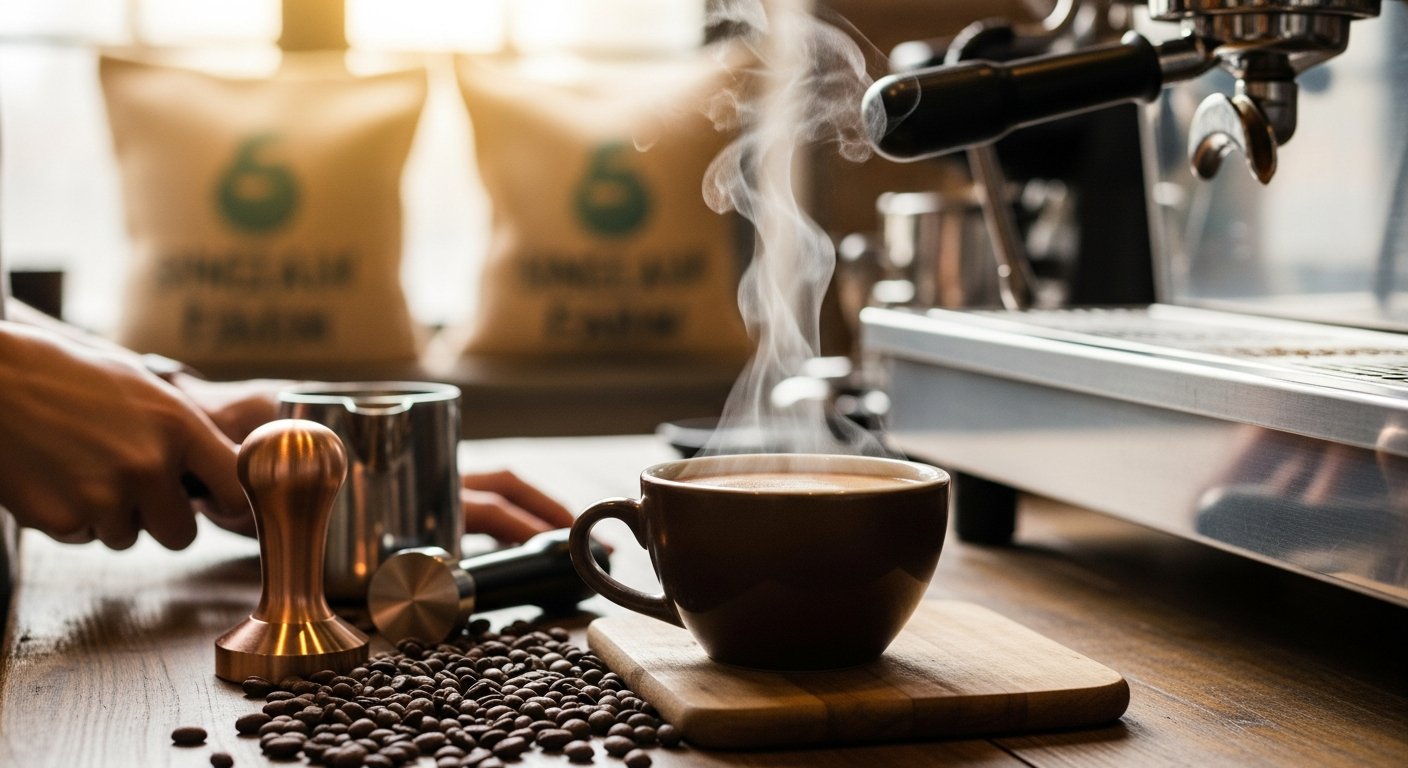
Imagine pulling a perfect shot of espresso. The crema is thick and caramel-colored. The aroma fills the room with notes of dark chocolate and ripe berries. Now imagine that the beans behind this shot were grown without synthetic pesticides, harvested from a single farm or cooperative, and roasted to highlight their unique character. This is the promise of organic single origin espresso. Unlike blends that aim for consistency by mixing beans from multiple regions, single origin espresso offers a direct taste of a specific place and its terroir. When you add organic certification, you also get beans grown in a way that supports soil health and biodiversity. This flavor guide will walk you through the taste profiles, brewing tips, and selection strategies to help you get the most from your organic single origin espresso beans.
For many coffee lovers, the journey into single origin espresso begins with curiosity. You might wonder how a bean from Ethiopia tastes different from one grown in Colombia. The answer lies in the soil, altitude, processing method, and the passion of the farmer. Organic certification adds another layer: it confirms that no synthetic chemicals were used during cultivation. This often results in a cleaner cup, where the natural flavors of the bean shine without interference. Whether you are a home barista or a professional, understanding these flavor profiles will help you choose beans that match your palate and your brewing style.
Understanding Organic Single Origin Espresso
Organic single origin espresso beans come from a single geographic region, often a specific farm or cooperative, and are grown without synthetic fertilizers, pesticides, or herbicides. The term “single origin” can refer to a country, a region, or even a single lot of beans. When you buy organic single origin espresso, you are not just buying a product. You are supporting a farming system that prioritizes ecological balance and often leads to higher quality beans. The absence of chemical inputs forces the plant to develop deeper root systems and more complex flavor compounds as a natural defense mechanism.
Espresso as a brewing method amplifies both the strengths and weaknesses of any bean. Because espresso uses high pressure and a fine grind, it extracts flavors quickly and intensely. This makes single origin beans particularly exciting for espresso because you can taste subtle notes that might get lost in a blend. However, not all single origin beans are created equal for espresso. Some are naturally more suited to the high-pressure extraction, while others may taste overly acidic or unbalanced. This is where a flavor guide becomes essential. It helps you match the bean’s profile to your taste preferences and your espresso machine’s capabilities.
Key Flavor Profiles by Region
Different growing regions produce beans with distinct flavor signatures. Understanding these profiles will help you navigate the world of organic single origin espresso. Below are some of the most common regions and what you can expect from their beans.
Ethiopia: Floral and Fruity
Ethiopian coffee is often considered the birthplace of arabica. Organic single origin Ethiopian beans are known for their bright acidity and complex fruit notes. You might taste blueberry, jasmine, or lemon zest. In espresso, these beans can produce a shot with a light body and a sparkling finish. They are excellent for those who enjoy a vibrant, tea-like espresso. The key is to use a slightly cooler water temperature and a finer grind to balance the acidity.
Colombia: Balanced and Nutty
Colombian single origin espresso beans are beloved for their versatility. They typically offer a medium body with notes of caramel, red apple, and milk chocolate. Organic Colombian beans often have a clean sweetness and a smooth mouthfeel. They are forgiving for home baristas because they extract evenly and rarely taste harsh. This is a great starting point if you are new to single origin espresso.
Sumatra: Earthy and Spicy
Sumatra beans are processed using the unique wet-hull method, which gives them a full body and low acidity. Organic single origin Sumatran espresso often tastes of dark chocolate, tobacco, cedar, and sometimes a hint of spice. The body is syrupy and heavy, making it ideal for those who prefer a bold, intense shot. Be careful with extraction time: overextraction can lead to bitterness, while underextraction may leave the shot tasting vegetal.
Costa Rica: Bright and Clean
Costa Rican single origin beans are known for their bright acidity and clean cup. Organic beans from this region often feature notes of honey, orange, and almond. In espresso, they produce a bright, crisp shot with a silky body. The acidity is usually pleasant and wine-like, making them a favorite among specialty coffee drinkers. Pair this espresso with a light pastry to complement the fruity notes.
How to Select Organic Single Origin Beans for Espresso
Choosing the right organic single origin espresso beans involves more than just picking a region you like. You need to consider the roast level, processing method, and the date of harvest. Here are the key factors to evaluate.
- Roast Level: For espresso, medium to medium-dark roasts are most common. They balance acidity and sweetness while providing enough body to stand up to milk. Light roasts can be challenging but rewarding if you enjoy high acidity. Dark roasts may mask the origin character.
- Processing Method: Washed (wet) processing highlights clarity and brightness. Natural (dry) processing adds fruitiness and body. Honey processing sits in between, offering sweetness and a clean finish. Choose based on your preference for clarity versus complexity.
- Freshness: Look for beans roasted within the past two weeks. Espresso requires fresh beans to produce good crema and flavor. Check the roast date on the bag. Avoid beans without a date.
- Altitude: Higher altitudes generally produce denser beans with more complex flavors. Beans grown above 1,500 meters often have brighter acidity and more floral notes. Lower altitude beans are usually more chocolatey and nutty.
Once you have selected a bean, pay attention to how it behaves on your espresso machine. Dialing in single origin beans can take a few shots. Start with your usual grind setting and adjust based on taste. If the shot is sour, grind finer or increase the water temperature. If it is bitter, grind coarser or lower the temperature. Keep notes so you can replicate successful shots.
Brewing Tips for Organic Single Origin Espresso
Brewing single origin espresso at home requires a bit of patience, but the results are worth it. The first step is to ensure your water quality is good. Use filtered water free of chlorine and off-flavors. The water temperature should be between 195 and 205 degrees Fahrenheit. For organic beans, a slightly lower temperature around 198 degrees often works well for preserving delicate flavors.
Your dose and yield matter. A standard double shot uses 18 to 20 grams of coffee, yielding 36 to 40 grams of liquid in 25 to 30 seconds. For single origin beans, you might need to adjust the ratio. Some Ethiopian beans taste best with a slightly longer ratio, like 1:2.5, to tame the acidity. Sumatran beans might do better with a shorter ratio, like 1:1.8, to avoid bitterness. Experiment and trust your palate.
Another important factor is distribution and tamping. Single origin beans can be more brittle than blends, so they may produce more fines (very small particles). Use a distribution tool or leveler to ensure an even bed before tamping. This prevents channeling, where water finds a path through the puck and under-extracts some areas. Channeling is especially problematic with single origin beans because it can amplify unwanted flavors.
If you are curious about how single origin espresso compares to traditional blends, our detailed guide on Single Origin Vs Blend For Espresso explains the trade-offs in depth. That article covers extraction dynamics, flavor consistency, and how to decide which path suits your coffee style.
Common Challenges and How to Overcome Them
Even experienced baristas face challenges when switching to organic single origin espresso. One common issue is inconsistency from bag to bag. Because single origin beans come from a specific harvest, the flavor can vary slightly between batches. This is normal and part of the charm. To manage it, buy from roasters who provide detailed tasting notes and roast dates. Communicate with your supplier about what you are looking for.
Another challenge is acidity management. Some organic single origin beans, especially from high-altitude regions, can taste sharp or sour in espresso. This is often a sign of underextraction. Try increasing the water temperature by 2 degrees, grinding finer, or increasing the yield. If the acidity is still too high, consider blending a small amount of a chocolatey bean like Sumatran to balance the cup. You lose the “single origin” label, but you gain a more enjoyable shot.
Crema production can also vary. Organic beans sometimes produce less crema than conventionally grown beans because they may have lower oil content due to natural farming practices. This does not mean the shot is bad. Focus on flavor rather than crema thickness. A thin crema can still deliver a delicious espresso.
Pairing Organic Single Origin Espresso with Food
One of the joys of single origin espresso is how it interacts with food. The bright, fruity notes of an Ethiopian espresso pair beautifully with dark chocolate or berry desserts. The nutty, caramel notes of a Colombian espresso complement pastries like croissants or biscotti. For a savory pairing, try a Sumatran espresso with a piece of aged cheese or a dark chocolate bar with sea salt.
When serving espresso with milk, single origin beans can be more challenging. The milk can mute the delicate flavors. If you plan to make lattes or cappuccinos, choose a medium-roasted organic single origin bean with a full body, like one from Brazil or Guatemala. These beans hold up well to milk and provide a balanced, sweet drink. Avoid light-roasted single origin beans for milk drinks, as they can taste thin or sour.
Consider the occasion. A bright Ethiopian espresso is perfect for a morning pick-me-up when you want to feel alert. A bold Sumatran espresso is better after dinner when you want a rich, slow-sipping experience. Let the flavor guide your choice.
Storing Your Organic Single Origin Espresso Beans
Proper storage is crucial for preserving the flavors of organic single origin espresso beans. Because these beans are often more delicate than blends, they can go stale faster if not stored correctly. Keep your beans in an airtight container away from light, heat, and moisture. Do not refrigerate or freeze them unless you plan to store them for more than two weeks. Freezing can cause condensation, which damages the beans.
Buy only what you will use within two to three weeks. This ensures you always have fresh beans. If you buy in bulk, divide the beans into smaller portions and freeze only the portions you will not use immediately. When you take a portion out of the freezer, let it come to room temperature before opening the bag to prevent condensation. This method maintains the bean’s volatile aromatic compounds.
Why Choose Organic Single Origin Espresso?
Beyond the flavor benefits, choosing organic single origin espresso supports a more sustainable coffee industry. Organic farming practices protect the environment, improve soil health, and often provide better livelihoods for farmers. Single origin sourcing creates transparency in the supply chain, allowing you to know exactly where your coffee comes from. This connection to the source adds a layer of appreciation to every shot you pull.
From a taste perspective, organic single origin espresso offers a unique experience that mass-produced blends cannot replicate. Each cup tells a story of a specific place, a specific harvest, and a specific farmer’s dedication. For coffee enthusiasts, this is the ultimate expression of the bean’s potential. Whether you are a seasoned barista or a curious beginner, this organic single origin espresso beans flavor guide will help you navigate the diverse world of single origin espresso with confidence.
In summary, start by identifying your preferred flavor profile. Choose a region and roast level that matches it. Dial in your espresso machine with care, and don’t be afraid to experiment. Keep notes on what works. Over time, you will develop a palate that can distinguish the subtle differences between an Ethiopian natural and a Colombian washed. This skill will enrich your coffee experience and deepen your appreciation for the craft. Enjoy the journey, one shot at a time.