
Central America Single Origin Coffee Flavor Map
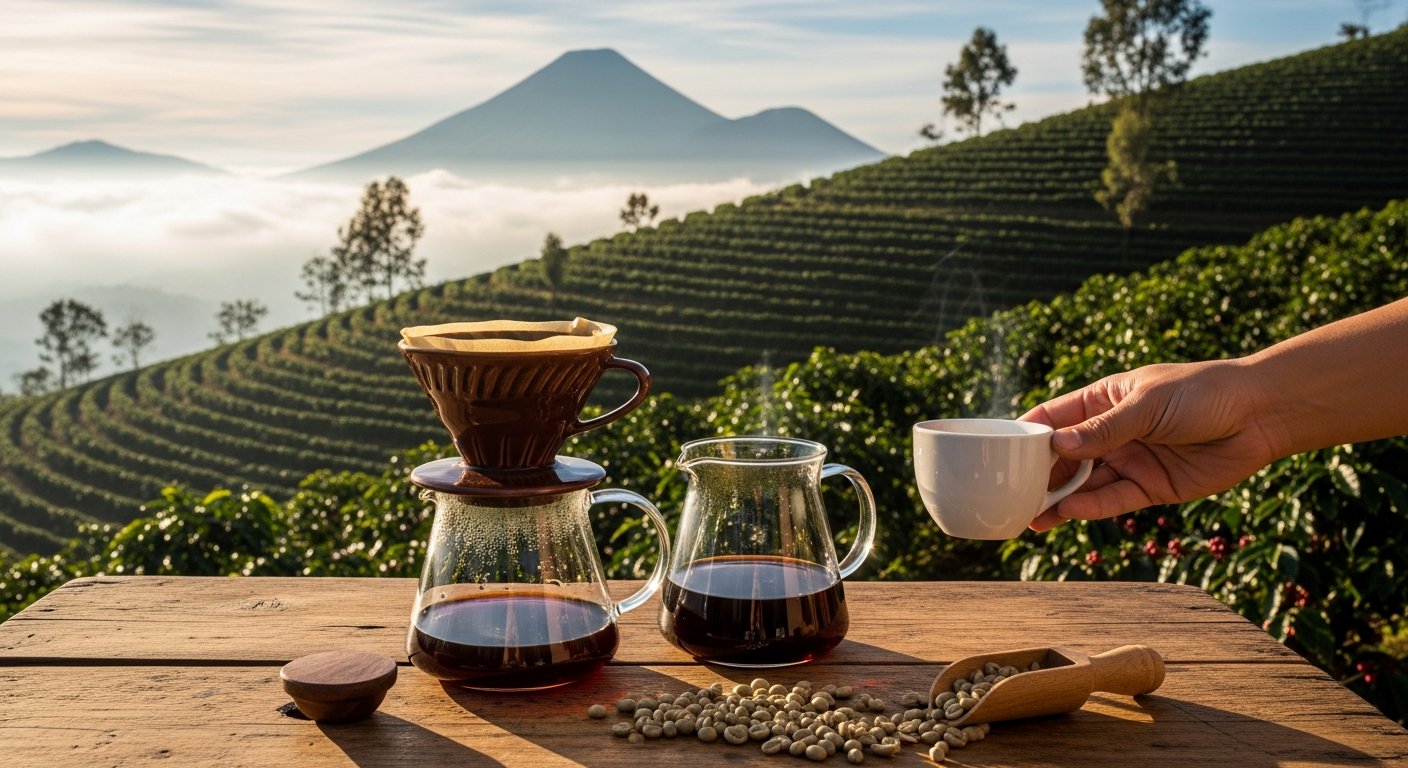
Imagine tracing the bold, chocolatey notes of a Guatemalan coffee back to the volcanic soils of Antigua, or tasting the bright, citrus acidity of a Costa Rican bean from the Tarrazu region. For coffee lovers, single origin coffees from Central America offer a sensory passport to a landscape of microclimates, elevation, and tradition. This article builds a regional flavor map for Central America single origin coffee, helping you navigate the distinct profiles of Guatemala, Costa Rica, Honduras, Nicaragua, El Salvador, and Panama. By understanding these flavor fingerprints, you can choose beans that match your palate and even refine your brewing technique for maximum enjoyment.
The Geography of Taste in Central America
Central America is a narrow isthmus connecting North and South America, but its coffee-growing regions are anything but uniform. The region spans from southern Mexico down to Panama, with the Pacific and Caribbean coasts sandwiching a spine of volcanic mountains. This topography creates dozens of microclimates where altitude, rainfall, and soil composition vary dramatically. The result is a rich diversity of flavor profiles that can change from one valley to the next.
Most Central American coffee is Arabica, grown at elevations between 800 and 2,000 meters. Higher altitudes slow the cherry ripening process, leading to denser beans with more complex sugars. The volcanic ash found in many regions adds mineral complexity, while shade trees and careful processing methods preserve delicate fruit and floral notes. When you study a regional flavor map for Central America single origin coffee, you are really looking at how altitude, soil, and processing create a unique taste signature for each country.
Guatemala: Volcanic Depth and Cocoa Richness
Guatemala produces some of the most distinctive single origin coffees in the world. The country is divided into eight primary growing regions, each with its own microclimate. The Antigua region, surrounded by three volcanoes, yields beans with a full body, low acidity, and pronounced chocolate and spice notes. Huehuetenango, one of the highest non-volcanic regions, offers a brighter cup with floral aromas and stone fruit acidity.
When you explore a regional flavor map for Central America single origin coffee, Guatemala often anchors the bold end of the spectrum. Expect tasting notes like dark chocolate, caramel, almond, and a hint of smokiness. These coffees pair well with milk-based drinks or stand alone for a comforting morning brew. For those who enjoy a rich, syrupy mouthfeel, Guatemalan beans are a reliable choice.
Processing Methods in Guatemala
Washed processing is common in Guatemala, which highlights the bean’s inherent acidity and clarity. However, some producers experiment with honey and natural processing to enhance sweetness and body. The washed beans from Antigua often have a clean, balanced profile, while naturally processed lots from Huehuetenango can display raisin and berry notes. Always check the label for processing details, as they significantly influence the final cup.
Costa Rica: Bright Acidity and Clean Finish
Costa Rica is famous for its bright, clean coffees that often feature citrus, honey, and floral notes. The Tarrazu region, with its high altitudes and mineral-rich soils, produces beans with a sharp, wine-like acidity and a silky body. Other notable regions include West Valley and Central Valley, where coffees tend to be slightly milder but still showcase crisp acidity.
On a regional flavor map for Central America single origin coffee, Costa Rica represents the light, vibrant end of the spectrum. These coffees are excellent for pour-over methods like the V60 or Chemex, where the bright acidity can shine. If you prefer a cup with lemon zest, green apple, or jasmine undertones, Costa Rican single origin is a top pick.
Micro-Mills and Quality Control
Costa Rica has a unique micro-mill system where small-scale farmers process their own cherries. This allows for greater control over fermentation and drying, resulting in consistent quality. Many micro-mills focus on honey processing, where some mucilage is left on the bean during drying. This method adds sweetness without overwhelming the natural acidity, creating a balanced and versatile coffee.
Honduras: Sweet and Approachable
Honduras has rapidly become a major player in the specialty coffee scene. The country’s diverse growing regions, like Copan, Marcala, and Intibuca, produce coffees that are sweet, nutty, and approachable. Expect notes of milk chocolate, brown sugar, and mild fruit like peach or apple. Honduran coffees often have a medium body and moderate acidity, making them a crowd-pleasing choice for both new and experienced coffee drinkers.
In the context of a regional flavor map for Central America single origin coffee, Honduras sits between the boldness of Guatemala and the brightness of Costa Rica. These beans work well for espresso, as the sweetness and balanced acidity create a smooth shot. They also hold up nicely in drip coffee makers and French presses.
Altitude and Flavor Variation
Honduran coffees from higher altitudes (above 1,500 meters) tend to have more complex acidity and fruit notes, while lower-altitude beans are heavier on chocolate and nut flavors. When selecting Honduran single origin, look for the altitude on the bag. Higher-altitude beans often command a premium but deliver a more nuanced cup.
Nicaragua: Soft and Fruity
Nicaraguan coffees are known for their soft, mild character with fruity undertones. Regions like Jinotega and Matagalpa produce beans with notes of red apple, plum, and honey. The acidity is gentle, and the body is medium to light. These coffees are perfect for those who find Guatemalan or Costa Rican beans too intense.
A regional flavor map for Central America single origin coffee would place Nicaragua as a smooth transition between the brighter coffees and the heavier ones. Nicaraguan beans are often used in blends to add sweetness and fruitiness, but single origin versions are worth seeking out for their delicate charm. Try them as a cold brew for a naturally sweet, low-acid iced coffee.
Shade-Grown and Organic Practices
Many Nicaraguan farms use shade-grown methods, where coffee plants grow under a canopy of trees. This practice slows cherry maturation and improves flavor complexity. It also supports biodiversity. If you value sustainability, Nicaragua is a great source for certified organic and bird-friendly coffees.
El Salvador: Creamy and Complex
El Salvador produces coffees with a creamy body and complex flavor profile. The country’s volcanic soils and high altitudes yield beans with notes of toffee, dark chocolate, and tropical fruit like mango or pineapple. The Pacamara variety, a hybrid of Pacas and Maragogype, is particularly prized for its large bean size and intense flavor.
On the regional flavor map for Central America single origin coffee, El Salvador offers a unique combination of body and fruitiness. These coffees are excellent for espresso, where the creamy texture and bright acidity create a balanced shot. They also work well in a siphon brewer, which can highlight the complex aromatic compounds.
For those interested in exploring this brewing method, our guide on mastering the siphon coffee brewer technique for single origin beans provides step-by-step instructions to unlock the full potential of Salvadoran and other Central American coffees.
Panama: Geisha and Exotic Floral Notes
Panama is famous for the Geisha (also spelled Gesha) variety, which originated in Ethiopia but found a second home in the highlands of Boquete and Volcan. Geisha coffees are known for their intense floral aromas, jasmine, bergamot, and tropical fruit flavors, often with a tea-like body. They consistently win top prices at coffee auctions and are sought after by connoisseurs.
A regional flavor map for Central America single origin coffee would highlight Panama as the outlier for exotic, high-acid, and aromatic profiles. While Geisha beans can be expensive, they offer a tasting experience unlike any other. Non-Geisha Panamanian coffees are also excellent, with balanced acidity and sweet, clean flavors.
Altitude and Microclimate in Boquete
The Boquete region sits at 1,200 to 2,000 meters, with cool temperatures and misty conditions that slow bean development. This microclimate is ideal for Geisha, allowing the delicate flavors to fully develop. When buying Panamanian single origin, look for the exact farm or lot name to ensure authenticity.
Brewing Strategies for Central American Single Origins
To get the most out of these diverse coffees, adjust your brewing parameters based on the flavor profile. Here are some general guidelines:
- For bright, acidic coffees (Costa Rica, Panama): Use a finer grind, higher water temperature (around 200-205 degrees Fahrenheit), and a pour-over method. This extracts the delicate fruit and floral notes without over-extracting bitterness.
- For heavy, chocolatey coffees (Guatemala, El Salvador): Use a medium grind and a French press or espresso machine. The full immersion or pressure extraction brings out the body and cocoa richness.
- For sweet, balanced coffees (Honduras, Nicaragua): Use a medium-fine grind and a drip coffee maker or AeroPress. These methods preserve the sweetness and mild acidity.
Always start with a 1:16 coffee-to-water ratio and adjust based on taste. For example, if a Guatemalan coffee tastes too bitter, grind coarser or lower the water temperature. If a Costa Rican coffee tastes flat, grind finer or increase the brew time. Keeping a tasting journal can help you track which flavor map profiles you prefer and how to replicate them.
How to Use the Flavor Map When Buying Coffee
When shopping for single origin beans from Central America, use the regional flavor map as a decision tool. Read the bag or online description for origin country, region, altitude, and processing method. If you enjoy bright, citrusy coffee, choose Costa Rica or Panama. If you prefer deep, chocolatey notes, go with Guatemala or El Salvador. For a safe, all-around choice, Honduras or Nicaragua are excellent.
Also consider the roast level. Light to medium roasts preserve the origin characteristics, while dark roasts obscure them. For single origin exploration, stick with light or medium roasts to taste the full flavor map. Many specialty roasters, including those who sell fresh roast coffee, provide roast dates and tasting notes to help you decide.
Fresh Roast Coffee and Single Origin Quality
The freshness of the coffee dramatically affects flavor. Coffee beans begin to stale within two weeks of roasting, losing volatile aromatic compounds. For the best experience with Central American single origin beans, buy from roasters who roast to order and ship promptly. Freshly roasted beans retain the bright acidity, sweetness, and complexity that define each region’s flavor map.
If you are setting up a home barista station, consider investing in a quality burr grinder and a scale. Consistent grind size and accurate measurements ensure you extract the full potential of your single origin beans. With practice, you can replicate the nuanced flavors described in this flavor map.
Central America offers a remarkable range of single origin coffees, each with a story tied to its land and people. By consulting this regional flavor map, you can confidently explore the diversity of Guatemalan chocolate, Costa Rican citrus, Honduran sweetness, Nicaraguan fruit, Salvadoran creaminess, and Panamanian florals. Every cup becomes a journey through volcanic slopes and misty highlands, bringing the rich heritage of Central American coffee to your morning routine.