
How Coffee Growing Regions Adapt to Climate Change
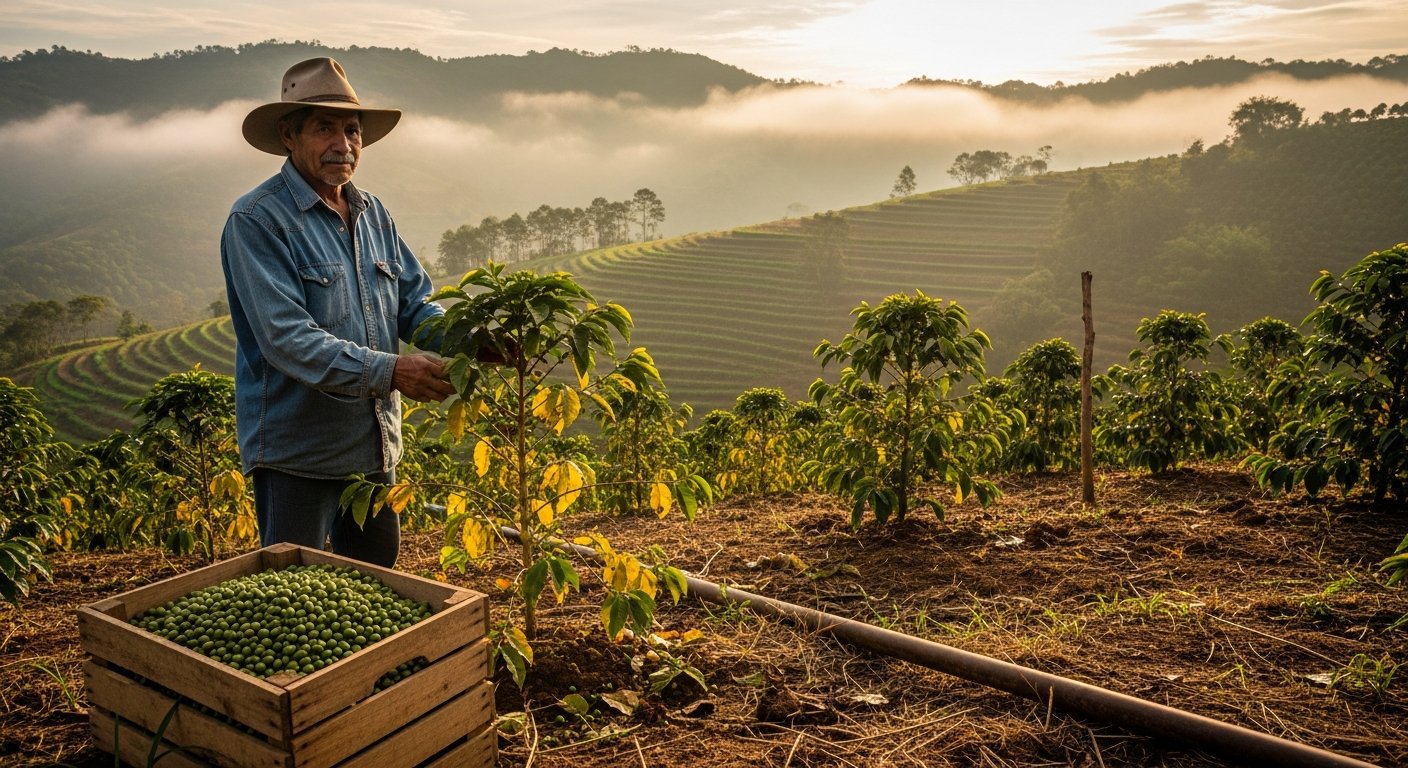
For millions of people worldwide, the morning ritual of brewing a fresh cup of coffee is a cherished routine. Yet this daily pleasure faces an existential threat. Rising global temperatures, shifting rainfall patterns, and an increase in extreme weather events are fundamentally altering where and how coffee can be grown. The coffee climate change impact growing regions adaptation is no longer a future scenario: it is unfolding now, from the highlands of Ethiopia to the slopes of Central America. Understanding this crisis and the innovative strategies farmers are deploying is essential for anyone who values their morning cup.
The Arabica coffee plant, which produces the vast majority of specialty coffee, is notoriously finicky. It thrives in a narrow temperature band between 64 and 70 degrees Fahrenheit, with distinct wet and dry seasons. Even a small increase in average temperature can reduce bean quality, increase pest pressure, and lower yields. Robusta, while more resilient, also suffers under extreme heat and drought. As the planet warms, the land area suitable for coffee cultivation could shrink by as much as 50 percent by 2050 according to some studies. This is not just an environmental story: it is a humanitarian and economic one, as 25 million smallholder farmers depend on coffee for their livelihoods.
The Direct Effects of Climate Change on Coffee Plants
Heat stress is the most immediate and visible impact. When temperatures exceed the optimal range, coffee plants accelerate their growth cycle, producing flowers and cherries earlier than normal. This rush leads to smaller, lower-quality beans and reduces the plant’s overall yield. In regions like Colombia and Costa Rica, farmers report that the distinct flavor profiles that made their coffee famous are becoming harder to achieve as heat flattens the chemical complexity of the bean.
Rainfall volatility is equally damaging. Coffee requires a consistent dry season for flowering followed by a steady wet season for cherry development. Climate change brings either prolonged droughts that wither the plants or intense rains that wash away topsoil and promote fungal diseases like coffee leaf rust. In 2023, Central America experienced a particularly brutal outbreak of leaf rust after unusually heavy rains, destroying an estimated 30 percent of the crop in some areas. Pests such as the coffee berry borer are also migrating to higher elevations, where cooler temperatures once kept them in check.
Adaptation Strategies on the Ground
Farmers are not passive victims in this story. Across the coffee belt, producers are experimenting with a range of adaptation techniques. These strategies can be grouped into three main categories: farm-level practices, technological interventions, and systemic changes to the supply chain.
Shade Management and Agroforestry
One of the most effective and low-cost adaptations is reintroducing shade trees to coffee plantations. Traditional coffee was often grown under a canopy of native trees, but the push for higher yields in the 20th century led to sun-tolerant varieties and full-sun farms. Now, shade is making a comeback. By planting nitrogen-fixing trees like Inga or timber species like Grevillea, farmers can lower the ambient temperature around coffee plants by 5 to 10 degrees Fahrenheit. This reduces heat stress, improves soil moisture retention, and provides additional income from timber or fruit. In Nicaragua, farmers who adopted shade management reported 20 percent higher yields during drought years compared to those on open farms.
Drought-Resistant Varieties and Rootstocks
Plant breeding programs are racing to develop coffee varieties that can tolerate higher temperatures and less water. The World Coffee Research organization has released a set of hybrid varieties bred specifically for resilience. These include F1 hybrids that combine the flavor of Arabica with the hardiness of Robusta. In Brazil, farmers are grafting high-quality Arabica scions onto Robusta rootstocks, creating plants that produce excellent beans while withstanding drought. While these varieties are not a silver bullet, they buy time as the climate continues to shift.
Irrigation is another critical tool, though it requires significant investment. In water-stressed regions like Ethiopia, farmers are installing drip irrigation systems that deliver water directly to the roots, reducing waste and ensuring the plants receive moisture during dry spells. Rainwater harvesting ponds and swales are also becoming common, capturing runoff during the rainy season for use later.
Moving Coffee Production to Higher Ground
As low-elevation areas become too hot, farmers are pushing coffee cultivation uphill. This is perhaps the most dramatic adaptation: entire communities are relocating their farms to cooler altitudes. In the Colombian Andes, the average elevation of coffee farms has risen by over 100 meters in the last decade. This migration comes with challenges. Higher slopes are often steeper, making harvest more dangerous and requiring terracing to prevent erosion. Land tenure disputes can arise when farmers move into areas traditionally used for other purposes. And in some countries like Kenya, there is simply no higher ground left to occupy.
Despite these hurdles, elevation shifts are already reshaping the geography of coffee. New growing regions are emerging in places like the mountains of Tanzania and the highlands of Peru, areas that were once considered too cold for coffee. Governments and NGOs are mapping these frontier zones and helping farmers secure land rights and access to infrastructure. The long-term viability of this strategy depends on how fast temperatures continue to rise: if warming exceeds 2 degrees Celsius, even the highest peaks may become unsuitable.
The Role of Technology and Data
Precision agriculture is entering the coffee sector with promising results. Sensors placed in the field monitor soil moisture, temperature, and leaf wetness, sending data to farmers via mobile apps. This allows for targeted irrigation and pest control, reducing water use and chemical inputs. In Rwanda, a pilot program using drone imagery to detect early signs of leaf rust has allowed farmers to treat outbreaks before they spread, cutting losses by half.
Blockchain and satellite tracking are also being used to verify that coffee sold as “climate-smart” actually comes from farms using sustainable practices. This transparency helps consumers make informed choices and rewards farmers who invest in adaptation. However, technology alone cannot solve the problem. Many smallholder farmers lack access to smartphones, reliable internet, or the capital to buy sensors. Bridging this digital divide is essential for equitable adaptation.
Economic and Social Dimensions of Adaptation
Adaptation costs money, and most coffee farmers are already operating on thin margins. The price of coffee on the global commodity market has been volatile, often falling below the cost of production. Without financial support, farmers cannot afford to plant shade trees, install irrigation, or buy resilient seedlings. This is where the concept of “climate justice” enters the discussion. Major coffee roasters and retailers, who profit from the final product, have a responsibility to support adaptation in their supply chains.
Several initiatives are making a difference. The Sustainable Coffee Challenge, a coalition of companies and NGOs, has committed to sourcing 100 percent sustainable coffee by 2030. Programs like Fair Trade and Rainforest Alliance certification include premiums that farmers can invest in climate resilience. Direct trade relationships, where roasters buy directly from farmers, often include long-term contracts and technical assistance. These models give farmers the stability they need to plan for the future.
Gender equity is another critical factor. Women perform a significant portion of coffee labor, from planting to harvest, yet they often lack access to land titles, credit, and training. Programs that specifically target women farmers have shown higher rates of adaptation adoption. In Uganda, female-led cooperatives that received training in shade management and intercropping saw a 40 percent increase in yields compared to non-participant farms.
Consumer Choices and Their Impact
Individual consumers can play a role in driving adaptation. Every purchase is a vote for the kind of coffee system we want to support. Here are practical steps that make a difference:
- Choose certified coffee: Look for certifications like Rainforest Alliance, Fair Trade, or Bird Friendly. These labels require farmers to follow climate-smart practices.
- Support roasters with transparent supply chains: Many specialty roasters publish information about where their coffee comes from and how they support farmers.
- Reduce waste: Brew only what you will drink, and compost used grounds. The energy and water used to produce coffee are wasted if the coffee is not consumed.
- Consider alternative species: Excelsa and Liberica coffees are more heat-tolerant than Arabica and can be grown in areas where Arabica no longer thrives.
These actions may seem small, but collectively they send a powerful signal to the industry that consumers value sustainability and are willing to pay for it. When roasters see demand for climate-resilient coffee, they invest more in adaptation programs.
Government Policy and International Cooperation
National governments in coffee-producing countries are beginning to integrate climate adaptation into their agricultural policies. Colombia has a national coffee adaptation plan that includes research funding, extension services, and subsidies for shade trees. Ethiopia has established a coffee gene bank to preserve wild genetic diversity, a crucial resource for future breeding. Costa Rica offers tax incentives for farmers who adopt agroforestry practices.
International cooperation is equally important. The Paris Agreement includes provisions for agricultural adaptation, but funding has been slow to reach smallholder farmers. The Green Climate Fund, a UN-backed mechanism, has approved several coffee-related projects, including a $50 million initiative to support climate-resilient coffee in East Africa. However, the scale of investment needed is far larger. Estimates suggest that the global coffee sector requires $10 billion per year for adaptation and mitigation efforts.
Trade policies also matter. Tariffs and trade barriers can make it harder for farmers to access markets and earn fair prices. The African Continental Free Trade Area, which came into effect in 2021, could help intra-African coffee trade and reduce dependence on volatile global markets. But these agreements must be designed with smallholder farmers in mind, ensuring they have the infrastructure and knowledge to participate.
The coffee climate change impact growing regions adaptation is a complex equation with no single solution. It requires action at every level: from the farmer planting a shade tree to the consumer choosing a certified bag; from the scientist breeding a drought-resistant hybrid to the policymaker funding rural infrastructure. The window for effective action is narrowing. But with concerted effort, we can preserve both the livelihoods of millions of farmers and the simple joy of a good cup of coffee.
As you finish this article, consider the journey of the beans in your pantry. They traveled from a farm that may already be feeling the heat. The choices we make today will determine whether coffee remains a daily luxury or becomes a rare commodity. Adaptation is not optional: it is the only path forward.