
Master Pour Over Coffee Grind Size Water Temperature Ratio
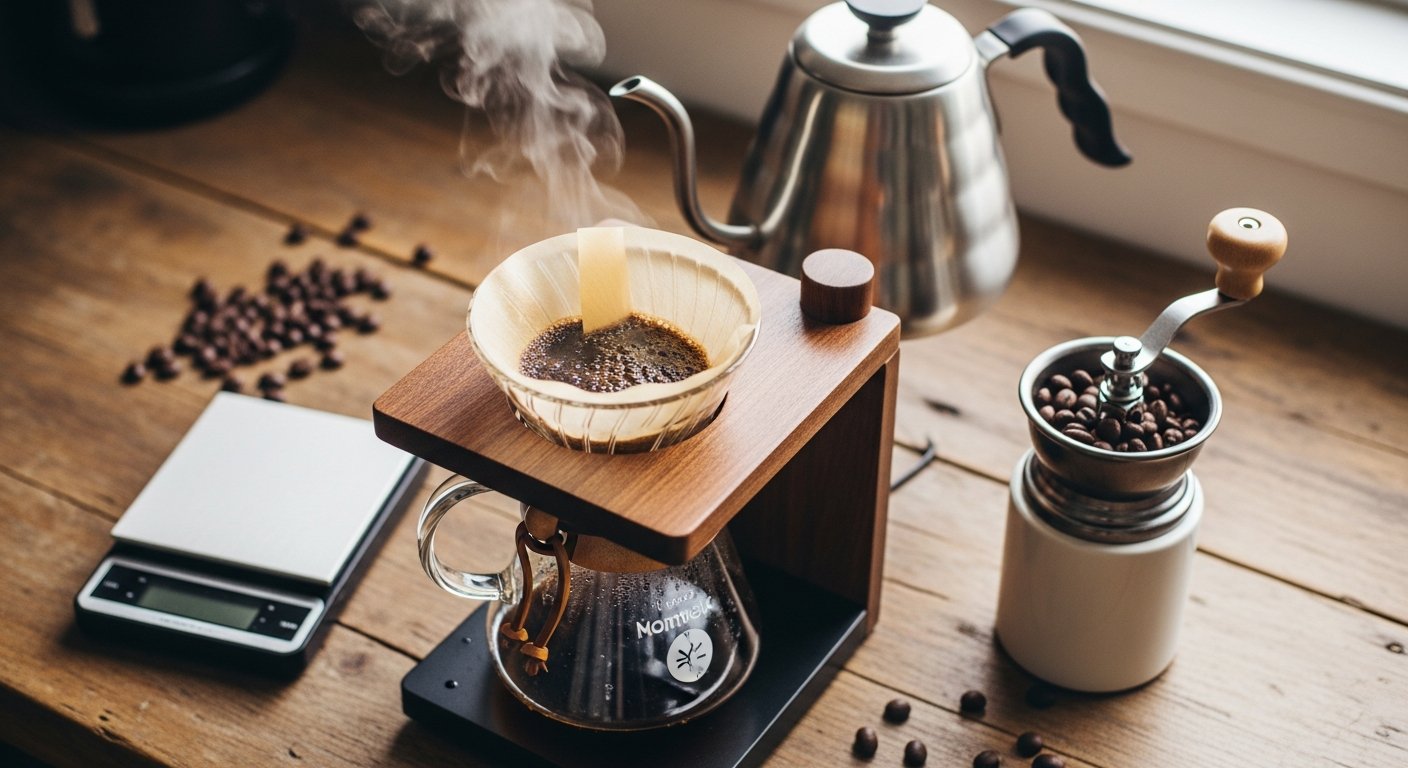
For many coffee lovers, the pour over method represents the perfect balance of control and ritual. Yet even with the best beans and a steady hand, the final cup can taste bitter, sour, or flat. The missing link often comes down to three interconnected variables: pour over coffee grind size water temperature ratio. When these elements work together, they unlock a clean, balanced brew that highlights the bean’s natural sweetness and acidity. When they do not, the result is a frustrating pour that masks the coffee’s true character.
Think of these three variables as a three-legged stool. Change one leg, and the stool wobbles unless you adjust the other two. Grind size controls how quickly water extracts flavor compounds. Water temperature influences the rate of that extraction. The coffee-to-water ratio determines the overall strength and concentration. Mastering the interplay between them transforms a simple pour over into a repeatable, delicious experience. This guide walks through each variable with practical steps, so you can dial in your brew with confidence.
Why Grind Size Matters Most in Pour Over Coffee
Grind size is the single most impactful variable in pour over coffee. It dictates the surface area exposed to water. A finer grind increases surface area, speeding up extraction. A coarser grind reduces surface area, slowing extraction. If your grind is too fine, water struggles to pass through the coffee bed, leading to over-extraction and a bitter, astringent taste. If your grind is too coarse, water flows through too quickly, under-extracting and leaving you with a sour, weak cup.
For pour over, the ideal grind falls in the medium range. Think of the texture of coarse sea salt or raw sugar. This size allows water to extract the desirable oils and acids in about three to four minutes, which is the typical brew time for a standard pour over. However, the exact grind setting depends on your specific brewer. A cone-shaped dripper like a Hario V60 benefits from a slightly finer grind because the water channels through a smaller opening. A flat-bottom brewer like a Kalita Wave often works better with a slightly coarser grind because the bed is shallower and water flows more evenly.
To find your sweet spot, start with a medium grind and adjust based on taste. If your coffee tastes sour or lacks sweetness, grind slightly finer. If it tastes bitter or hollow, grind slightly coarser. Change only one variable at a time. A burr grinder is essential here. Blade grinders produce uneven particle sizes that lead to inconsistent extraction, making it nearly impossible to dial in a reliable pour over.
Water Temperature: The Hidden Lever of Extraction
Water temperature works hand in hand with grind size. Hotter water extracts faster, while cooler water extracts slower. The specialty coffee standard recommends water between 195°F and 205°F (90°C to 96°C) for pour over. But within that range, small shifts make a noticeable difference. At 205°F, extraction is aggressive and may pull out bitter compounds from a fine grind. At 195°F, extraction is gentler and can salvage a slightly over-extracted grind.
If you lack a variable-temperature kettle, do not worry. Boil water, remove it from heat, and let it sit for 30 to 45 seconds before pouring. This brings the temperature down to approximately 200°F to 205°F. For lighter roasts, aim for the hotter end of the range to extract enough sweetness and acidity. For darker roasts, which are more soluble, use cooler water (around 195°F) to avoid bitterness. As with grind size, use taste as your guide. If your coffee tastes flat, try hotter water. If it tastes burnt or harsh, try cooler water.
Finding the Right Coffee-to-Water Ratio
The ratio determines how concentrated your final brew will be. Most pour over recipes use a ratio of 1:15 to 1:17 (coffee to water). A 1:16 ratio is a popular starting point. For example, use 30 grams of coffee to 480 grams of water. This produces a balanced cup that is neither too strong nor too weak. Adjust the ratio based on your preference. A 1:15 ratio yields a bolder, more intense cup. A 1:17 ratio yields a lighter, more tea-like cup.
Your choice of ratio also interacts with grind size and temperature. If you use a finer grind and hotter water, you might want to use a slightly higher ratio (more water) to prevent over-extraction. If you use a coarser grind and cooler water, a lower ratio (less water) can help maintain strength. The key is to keep the ratio consistent while you experiment with grind and temperature. Once you find a combination you like, write it down. This becomes your baseline recipe.
Here are three common ratio starting points for pour over:
- 1:15 (bold): 20g coffee to 300g water. Ideal for darker roasts or when you want a heavy body.
- 1:16 (balanced): 20g coffee to 320g water. Works well for most medium roasts.
- 1:17 (light): 20g coffee to 340g water. Best for light roasts with delicate flavors.
These ratios assume a medium grind and water around 200°F. If you switch to a finer grind, consider moving to the 1:17 ratio to avoid bitterness. If you switch to a coarser grind, try 1:15 to keep enough body. The interplay is subtle, but small changes produce noticeable differences in the cup.
Step-by-Step: Dialing In Your Pour Over Recipe
Now that you understand the variables, here is a systematic method to dial in your pour over coffee grind size water temperature ratio. This approach eliminates guesswork and gives you a repeatable process.
Start with 30 grams of coffee ground to a medium setting (like coarse sea salt). Heat your water to 200°F. Use a 1:16 ratio (480 grams water). Place a paper filter in your dripper and rinse it with hot water to remove paper taste and warm the brewer. Add the coffee, level the bed, and make a small well in the center. Start your timer and pour 60 grams of water in a spiral motion, saturating all the grounds. Let it bloom for 30 to 45 seconds. After the bloom, continue pouring in slow, concentric circles. Pour the remaining water in two or three stages, keeping the water level about half an inch above the coffee bed. Aim for a total brew time of 3:00 to 3:30.
Taste the result. If it tastes sour or under-extracted, grind finer on your next brew. If it tastes bitter or over-extracted, grind coarser. If the brew time is too fast (under 2:30), grind finer. If it is too slow (over 4:00), grind coarser. Once the grind and time are in range, adjust temperature up or down by 3°F to fine-tune acidity or bitterness. Only then play with the ratio. This sequence prevents you from chasing too many variables at once.
For a deeper dive into choosing the right beans for your equipment, including commercial brewers, see our guide on what kind of coffee do I need for my Newco LCD machine. While that article focuses on a different brewer, the principles of matching roast level and grind to your gear apply broadly.
Common Mistakes and How to Fix Them
Even experienced pour over brewers run into problems. Here are the most common issues and the adjustments that solve them.
Mistake 1: Bitter, harsh coffee. This usually means over-extraction. Your grind is too fine, your water is too hot, or your ratio is too low (too much coffee). First, try a coarser grind. If that does not help, lower your water temperature by 5°F. If the bitterness persists, increase your ratio to 1:17.
Mistake 2: Sour, weak coffee. This indicates under-extraction. Your grind is too coarse, your water is too cool, or your ratio is too high (too much water). Grind finer first. If the sourness remains, raise your water temperature to 205°F. If the cup still lacks body, tighten the ratio to 1:15.
Mistake 3: Brew takes too long or stalls. This often happens with a very fine grind or too much coffee. Check that your grind is not powder-like. If it is, coarsen it. Also ensure you are not pouring too much water at once, which can clog the filter. Break your pours into three or four smaller additions instead of one large pour.
Mistake 4: Brew finishes too quickly. This suggests a coarse grind or insufficient coffee. Grind finer or add 2 to 3 grams more coffee. Also check that you are pouring slowly enough to allow proper extraction.
Equipment Tips for Consistent Results
Consistency in pour over coffee grind size water temperature ratio depends on reliable equipment. A burr grinder is non-negotiable. It produces uniform particles, which leads to even extraction. A digital scale with 0.1-gram precision ensures accurate ratios. A gooseneck kettle gives you control over pour speed and direction, which affects how water flows through the coffee bed.
If you are buying fresh coffee, note that roast date matters. Beans are best used 4 to 14 days after roasting. Fresh beans off-gas carbon dioxide, which can slow extraction. If your beans are very fresh (1 to 3 days old), let the bloom last a little longer (45 to 60 seconds) to release gas. Stale beans (more than 4 weeks old) extract poorly and will taste flat regardless of your technique. Always buy from a roaster that prints the roast date on the bag.
Water quality also plays a role. Use filtered water or bottled spring water. Hard water or water with high mineral content can alter extraction and mask flavors. Avoid distilled or reverse osmosis water, which lacks the minerals needed for proper extraction. Aim for water with 50 to 150 ppm total dissolved solids.
Advanced Tweaks for the Curious Brewer
Once you have a consistent recipe, you can explore advanced techniques. One popular method is the 4:6 method, which uses a coarser grind and multiple pours to emphasize sweetness and acidity. Another is the single-pour method, which uses a finer grind and a single continuous pour for a more uniform extraction. Both approaches require adjusting your grind size and water temperature to achieve the desired brew time.
You can also experiment with water temperature profiling. Start with hotter water (205°F) for the bloom to kickstart extraction, then lower the temperature to 195°F for the remaining pours to slow extraction and reduce bitterness. This technique works well with light roasts that benefit from aggressive initial extraction and gentler finishing.
The ratio can be fine-tuned for specific flavor goals. A ratio of 1:14 produces a very strong, syrupy cup that works well for milk-based drinks. A ratio of 1:18 produces a delicate, tea-like cup that highlights floral and fruity notes. Keep detailed notes on each brew. Over time, you will develop an intuition for how grind size, temperature, and ratio interact with different beans.
Mastering pour over coffee grind size water temperature ratio is not a one-time achievement. It is an ongoing practice. Each new bag of beans may require small adjustments. But with the framework in this article, you have a systematic way to dial in any coffee. Trust your taste buds, keep a log, and enjoy the process of refining your perfect cup.