
Home Coffee Cupping Kit Starter Guide Organic Beans
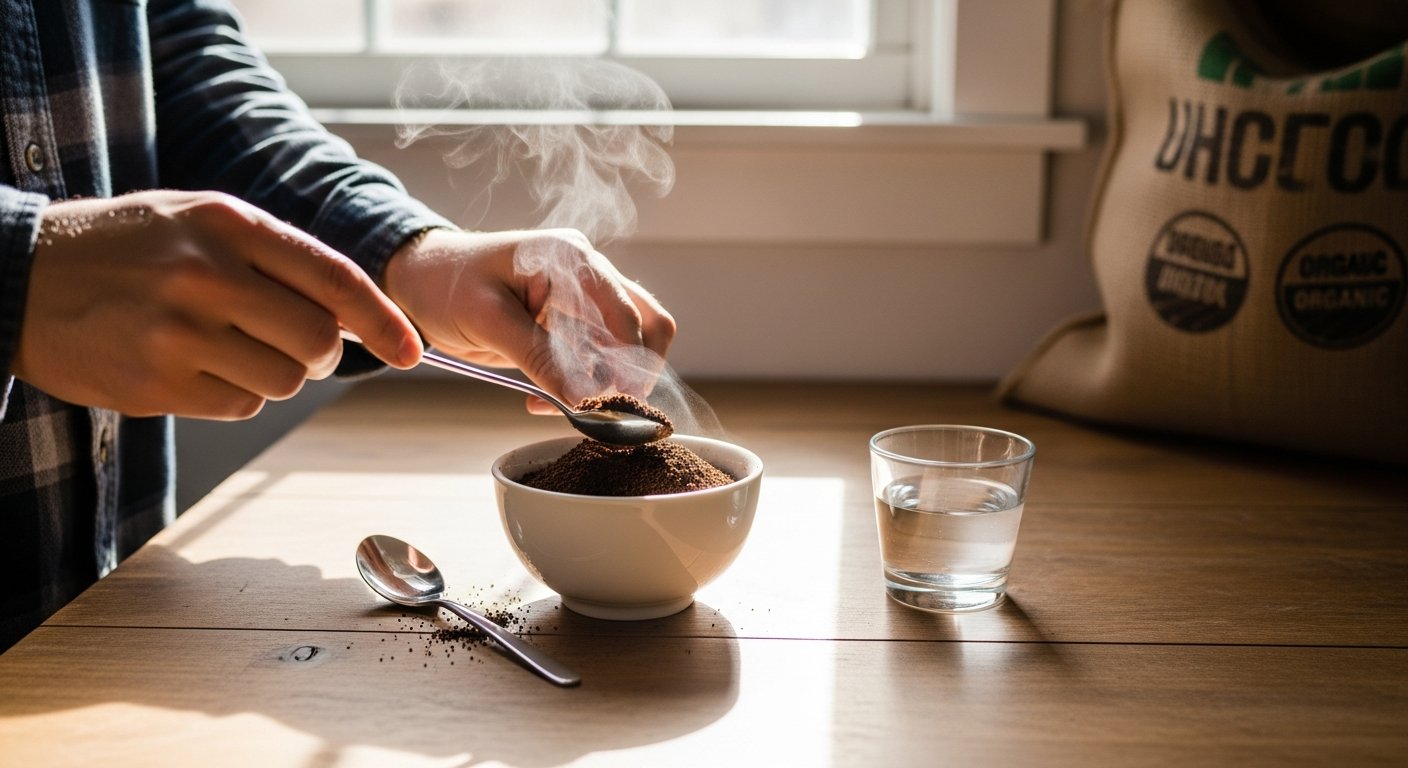
Imagine tasting coffee like a professional without leaving your kitchen. A home coffee cupping kit starter guide organic beans approach transforms your morning ritual into a sensory exploration. Cupping is the standardized method used by roasters and buyers to evaluate coffee quality. With organic beans, you experience pure flavor profiles free from synthetic residues. This guide walks you through assembling your kit, selecting beans, and conducting your first cupping session. By the end, you will confidently assess aroma, acidity, body, and aftertaste. No lab coat or certification required. Just curiosity and a willingness to slow down.
What Is Coffee Cupping and Why Organic Beans Matter
Coffee cupping is a systematic tasting technique developed by the Specialty Coffee Association. It involves steeping coarsely ground coffee in hot water, breaking the crust, and slurping the liquid to evaluate flavor attributes. Unlike casual drinking, cupping reveals subtle nuances that roasting and brewing can mask. Organic beans amplify this experience because they reflect the terroir without chemical interference. Pesticides and fertilizers can mute or distort natural flavors. When you use organic beans in a home coffee cupping kit starter guide organic beans session, you taste the pure expression of the bean.
Organic farming also supports soil health and biodiversity. For the home enthusiast, this means a cleaner cup and a clearer conscience. Many specialty roasters now offer single-origin organic lots that showcase distinct regional characteristics. A bean from Ethiopia might present jasmine and bergamot. A Guatemalan organic bean could display cocoa and stone fruit. Cupping allows you to compare these profiles methodically. The process strips away variables like brew method and milk, exposing the bean’s true character.
Building Your Home Coffee Cupping Kit
You do not need expensive equipment to start cupping. A basic kit includes items you likely already own. Gather these essentials before your first session:
- Three to five small glass or ceramic bowls (6 to 8 ounces each)
- A digital scale accurate to 0.1 gram
- A kettle with temperature control (or a thermometer)
- Two spoons (one for breaking crust, one for tasting)
- A timer or stopwatch
- Paper cups or spittoon for expelling coffee
Each bowl holds one coffee sample. Use identical bowls to ensure equal heat retention. The scale ensures consistent coffee-to-water ratios. Specialty Coffee Association standards call for 12 grams of coffee per 200 milliliters of water. Temperature should be 200 degrees Fahrenheit (93 degrees Celsius). The timer keeps you on track during the four-minute steep. Once assembled, your home coffee cupping kit starter guide organic beans becomes a portable lab.
Optional additions include a cupping form or app for recording scores, a notebook for tasting notes, and a dark-colored spoon to avoid metallic interference. Some enthusiasts invest in a dedicated cupping spoon with a deep bowl for efficient slurping. However, a standard soup spoon works fine. The goal is consistency, not perfection. As you practice, you will refine your technique and adjust your kit to suit your preferences.
Selecting Organic Beans for Cupping
Quality matters more than quantity when sourcing beans. Look for freshly roasted organic coffee with a roast date within two weeks. Stale beans produce flat, lifeless cups. Seek out single-origin lots rather than blends. Blends combine beans from multiple origins, making it difficult to isolate characteristics. Single-origin organic beans from cooperatives or direct-trade sources often have detailed traceability. This information helps you connect flavor notes to altitude, processing method, and varietal.
If you are new to cupping, start with three contrasting origins. For example, an organic washed Ethiopian, a natural processed Brazilian, and a honey processed Costa Rican. This variety highlights how processing methods affect flavor. Washed beans taste clean and bright. Natural processed beans are fruity and fermented. Honey processed beans balance sweetness with body. Cupping these side by side trains your palate to identify processing influence. In our guide on crafting nitro cold brew at home with organic coffee, we emphasize the importance of bean selection for clarity. The same principle applies here.
Store your organic beans in an airtight container away from light and heat. Grind only what you need immediately before cupping. Pre-ground coffee loses volatile aromatics within minutes. A burr grinder set to medium-coarse (similar to sea salt) produces uniform particles. Uneven grind size leads to uneven extraction and misleading results. Invest in a decent grinder if you plan to cup regularly.
Step-by-Step Cupping Protocol
Follow these steps for a repeatable, professional-grade session. Work in a quiet, well-lit space free from strong odors. Perfume, cooking smells, and cleaning products interfere with aroma detection.
Preparation and Grinding
Weigh 12 grams of organic beans per bowl. Grind each sample immediately before adding water. Place the grounds in the bowl and gently shake to level the surface. Smell the dry grounds and note initial impressions. Record any aromas like chocolate, floral, or spice. This dry fragrance is your first data point.
Pour and Steep
Heat water to 200 degrees Fahrenheit. Pour 200 milliliters over the grounds in a circular motion, ensuring all particles are saturated. Start your timer for four minutes. Do not stir. The grounds will form a crust on top. During the steep, smell the wet aroma. Wet aromatics often differ from dry fragrance. Note any changes.
Break the Crust
After four minutes, take your crust-breaking spoon and gently push the floating grounds to the side. Lean in and inhale deeply as the crust breaks. This moment releases a burst of concentrated aroma. Record your impressions. Then skim off the remaining foam and grounds from the surface. Remove all floating particles.
Slurp and Evaluate
Wait three to four minutes for the coffee to cool to approximately 160 degrees Fahrenheit. Use your tasting spoon to scoop a small amount. Slurp aggressively, drawing air across the coffee to aerosolize it across your palate. This technique spreads flavor to all taste zones. Evaluate acidity, sweetness, body, and aftertaste. Record scores on a scale of 1 to 10 for each attribute. Repeat this process as the coffee cools to room temperature. Flavors evolve as temperature drops. A coffee that tastes bitter hot might reveal sweetness when lukewarm.
Common Mistakes and How to Avoid Them
Even experienced cuppers make errors. Awareness of pitfalls improves your accuracy. Here are frequent missteps when using a home coffee cupping kit starter guide organic beans:
- Using water that is too hot or too cold. Temperature affects extraction. Always verify with a thermometer.
- Overfilling bowls. Leave headspace for crust formation and stirring.
- Slurping too gently. A weak slurp fails to aerate the coffee, muting flavors.
- Rushing the process. Flavor changes over time. Cup at multiple temperatures.
- Comparing apples to oranges. Cup similar process methods or origins together for fair comparison.
Practice patience. Your palate develops with repetition. After five to ten cupping sessions, you will notice increased sensitivity to acidity, body, and finish. Keep a log of your scores and notes. Review them before your next session to track progress.
Recording and Interpreting Your Results
A cupping form provides structure. Create a simple template with columns for sample name, dry fragrance, wet aroma, acidity, sweetness, body, aftertaste, and overall score. Rate each attribute from 1 to 10. Total the scores for a composite rating. This quantitative approach removes subjectivity. Over time, you will identify patterns. A coffee that consistently scores high in sweetness might become your daily preference.
Interpretation requires context. An acidity score of 8 for a Kenyan coffee is expected. The same score for a Sumatran coffee might indicate an unusual bright profile. Research your beans before cupping. Read the roaster’s tasting notes and origin information. Compare your findings with theirs. Discrepancies do not mean you are wrong. They mean your palate perceives differently. That is the beauty of cupping. It is a personal journey.
Advanced Techniques for Organic Bean Exploration
Once you master basic cupping, expand your practice. Try cupping the same organic bean from different roast levels. Light roasts emphasize acidity and floral notes. Dark roasts highlight body and bitterness. Compare them to understand how roast degree transforms flavor. Another exercise is to cup the same bean from different harvest years. Vintage variation reveals how weather and soil conditions affect taste.
Organic beans from lesser-known origins offer exciting discoveries. Seek out beans from Myanmar, Burundi, or Papua New Guinea. These regions produce distinctive profiles that challenge your palate. Cupping unusual origins broadens your coffee vocabulary. You learn to identify flavors beyond the common chocolate and citrus descriptors. This depth makes your home coffee cupping kit starter guide organic beans practice rewarding and educational.
Sharing the Experience
Cupping is often a social activity. Invite friends or family to join your session. Provide each participant with a spoon and a spittoon. Explain the protocol briefly. Let them slurp and share impressions. Group cupping reveals how perception varies between individuals. One person might detect blueberry where another tastes blackberry. These discussions deepen appreciation for coffee complexity.
For online communities, share your scores and notes. Platforms like Instagram and Reddit have active coffee cupping groups. Tag the roaster and origin. Your feedback helps roasters improve their sourcing and roasting decisions. It also connects you with fellow enthusiasts who share your passion for organic beans.
Final Thoughts on Your Cupping Journey
Your first cupping session may feel awkward. Slurping loudly and spitting into a cup goes against table manners. But the insights gained are invaluable. You learn to distinguish between a clean cup and a defective one. You recognize when a bean is underdeveloped or over-roasted. You develop a vocabulary to describe what you taste. A home coffee cupping kit starter guide organic beans approach turns you from a passive drinker into an active evaluator. Each session refines your palate. Each bean reveals a story of soil, climate, and craft. Embrace the process. Your next great cup starts with a single slurp.