
How Altitude Affects Coffee Processing Methods
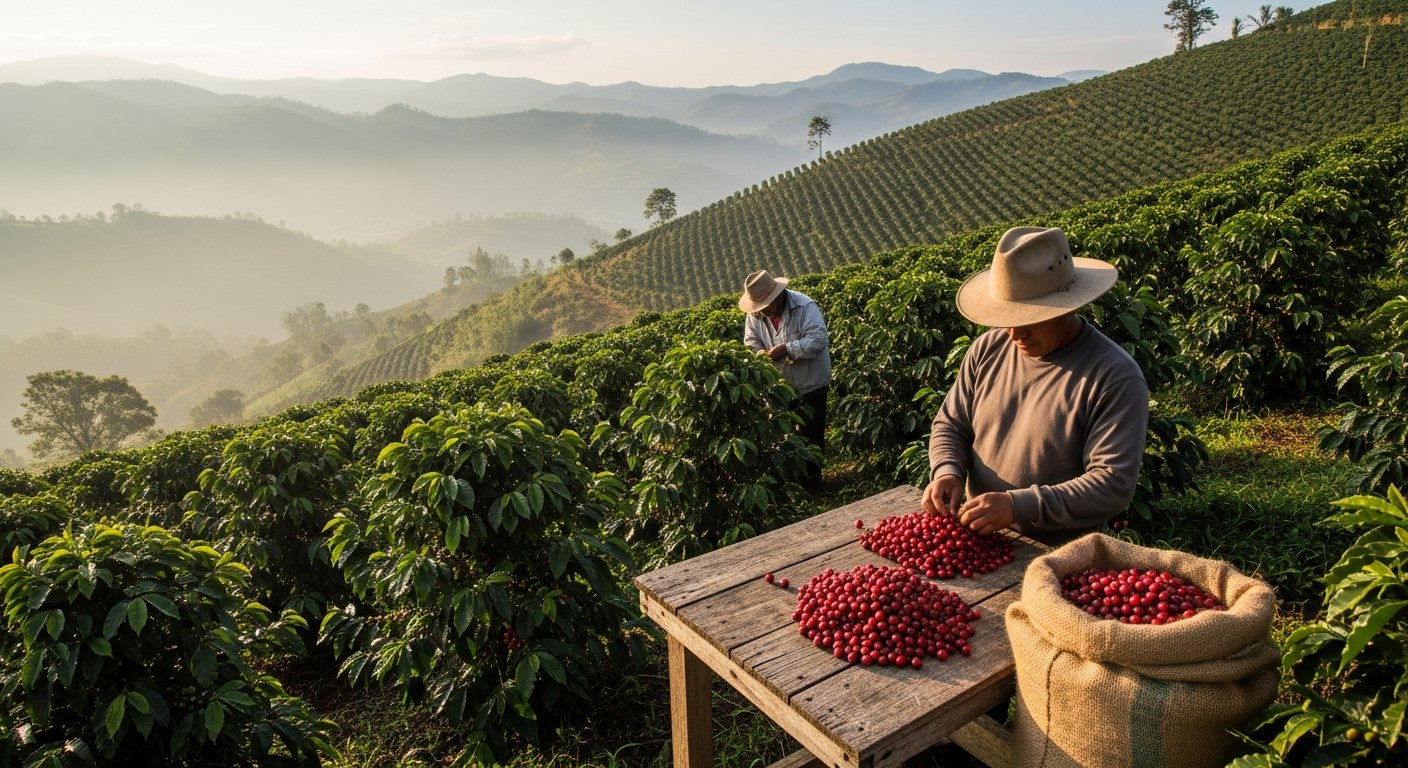
When you sip a single-origin coffee from Ethiopia or Colombia, the tasting notes often mention bright acidity, floral aromatics, or syrupy sweetness. These qualities do not appear by accident. They are the direct result of the altitude at which the coffee was grown and the processing method chosen to handle the harvested cherries. Altitude shapes the bean’s density, sugar content, and chemical composition. Processing methods either preserve or transform those intrinsic traits. Understanding the altitude effect on coffee processing methods allows roasters, baristas, and home brewers to make informed decisions about sourcing and brewing. It also explains why two coffees from the same farm but processed differently can taste like entirely different origins.
Why Altitude Matters for Coffee Quality
Altitude influences temperature, oxygen levels, and UV radiation. These factors slow down the maturation of coffee cherries. At higher elevations (above 1,200 meters or roughly 4,000 feet), cooler nights and intense sunlight cause cherries to develop more slowly. This extended growing period allows the bean to accumulate higher concentrations of sugars, acids, and aromatic precursors. The result is a denser bean with a more complex flavor profile. Lower-altitude coffee (below 900 meters or 3,000 feet) matures faster, producing softer beans with simpler, often earthier flavors.
The connection between altitude and processing is not just about flavor potential. It also affects how the bean reacts to fermentation and drying. Dense beans from high altitudes retain moisture differently than soft beans from low altitudes. They also contain more chlorogenic acid and citric acid, which influence the fermentation rate during processing. A mill manager must choose a processing method that complements the bean’s density and moisture content. For example, a washed process might highlight the bright acidity of a high-altitude bean, while a natural process could overwhelm its delicate notes with heavy fruit fermentation.
The Three Core Processing Methods
Before exploring how altitude interacts with each method, it helps to define the three main approaches. The washed (or wet) process removes the cherry skin and mucilage before drying the bean. The natural (or dry) process dries the whole cherry around the bean, allowing the fruit’s sugars to penetrate the seed. The honey (or pulped natural) process removes the skin but leaves some or all of the mucilage on the bean during drying. Each method extracts or retains different chemical compounds from the cherry, and altitude amplifies these differences.
In our guide on washed vs natural vs honey coffee processing explained, we break down the fermentation and drying stages in detail. For now, the key takeaway is that altitude dictates which method will produce the most balanced cup.
Washed Processing at High Altitude
High-altitude coffee is prized for its clarity and acidity. The washed process is the ideal partner for these beans because it removes the fruit layer quickly, minimizing fermentation and allowing the bean’s intrinsic characteristics to shine. Washed processing involves pulping the cherry, fermenting the bean in water to break down mucilage, and then washing it clean before drying. This method works well with dense beans because they resist damage during the mechanical pulping stage. The clean cup profile that results from washed processing highlights the floral, citrus, and stone fruit notes that high-altitude coffees are known for.
However, washed processing requires significant water and controlled fermentation tanks. At high altitudes, cooler water temperatures can slow fermentation. Producers must monitor pH and temperature carefully to avoid under-fermentation, which leaves a grassy or astringent taste. Many high-altitude mills in Colombia and Kenya use this method because it produces a clean, bright cup that commands premium prices in specialty markets. The trade-off is that washed processing reduces the body and sweetness compared to natural or honey methods. For a coffee with already high acidity, this balance can be perfect or too sharp, depending on the roaster’s target profile.
Natural Processing at Low Altitude
Natural processing is traditionally used in regions with low humidity and consistent sun, such as parts of Brazil and Ethiopia’s lowlands. At low altitudes, beans tend to have less acidity and more earthy or chocolatey notes. The natural method adds fruit-forward complexity by allowing the cherry to dry around the bean for weeks. During this time, enzymes break down sugars and pectins, infusing the bean with fermented fruit flavors. This can elevate a flat low-altitude coffee into something with rich berry, wine, or tropical fruit notes.
But natural processing at high altitude is risky. Cooler temperatures and higher humidity slow drying, increasing the chance of mold or over-fermentation. The dense bean structure of high-altitude coffee also absorbs moisture from the cherry more slowly, leading to uneven drying. Many specialty producers avoid natural processing for high-altitude beans unless they have climate-controlled drying beds or greenhouses. When done well, a natural high-altitude coffee can be stunning, with layered sweetness and acidity. When done poorly, it tastes like sour fruit and mold. This is why altitude effect on coffee processing methods is a critical decision factor for producers.
Honey Processing as a Middle Ground
Honey processing occupies a spectrum between washed and natural. By leaving some mucilage on the bean during drying, the producer controls how much sweetness and body transfer from the cherry to the seed. At high altitudes, honey processing can soften the sharp edges of acidity while preserving the bean’s floral character. The mucilage acts as a buffer during fermentation, slowing down the process and creating a smoother cup. Yellow honey (less mucilage) and red honey (more mucilage) offer different balances. Black honey, which leaves nearly all mucilage, approaches the intensity of natural processing.
For low-altitude coffee, honey processing can add body and sweetness without the full fruit bomb of a natural. It is a versatile method that adapts well to different altitudes because the mucilage layer can be adjusted. In Costa Rica, where honey processing is almost a national specialty, producers match the mucilage level to the altitude. High-altitude beans often receive yellow or white honey processing to retain clarity. Lower-altitude beans get red or black honey to maximize mouthfeel. This flexibility makes honey processing one of the most altitude-adaptable methods available.
Key Factors That Shift with Altitude
The altitude effect on coffee processing methods is not a simple rule. It involves several interdependent variables. Understanding these factors helps predict how a bean will behave during processing.
Here are the primary factors that change with altitude and their impact on processing:
- Bean density: Higher altitude produces denser beans that resist water absorption. This affects fermentation time and drying speed. Dense beans require longer fermentation in washed processing and more careful drying in natural processing to avoid case hardening.
- Sugar content: Slower maturation at high altitude leads to higher sugar levels. These sugars become fuel for fermentation. In natural and honey processing, more sugar means more potential for complex fruit notes. In washed processing, it contributes to a sweeter clean cup.
- Acidity profile: High-altitude beans contain more citric, malic, and phosphoric acids. These acids are volatile and can be lost or transformed during fermentation. Washed processing preserves them best. Natural processing can mute them if fermentation goes too long.
- Moisture and humidity: High-altitude regions often have cooler air and more rainfall. This makes natural drying difficult and increases the risk of defects. Producers may choose washed or honey processing to shorten drying time.
- Microbial activity: The microbial ecosystem on the cherry surface changes with altitude. Cooler temperatures slow bacterial and yeast activity, which can extend fermentation times. This can be an advantage if the producer wants slow, controlled fermentation, or a disadvantage if they need fast throughput.
Each of these factors pushes the decision toward one processing method over another. A producer in a humid high-altitude region like the Colombian Andes will rarely attempt natural processing. Instead, they lean on washed or honey methods that control moisture and fermentation. A producer in a dry low-altitude region like the Cerrado Mineiro in Brazil can confidently use natural processing because the climate supports slow, even drying.
Practical Decision Framework for Producers
How does a farm or mill choose a processing method based on altitude? The following framework summarizes the relationship. It is not absolute, but it serves as a starting point for experimentation.
Above 1,500 meters (very high altitude): Washed processing is the safest and most common choice. It highlights the bright acidity and floral notes that make these beans valuable. Honey processing can work if the producer wants more body, but it requires careful mucilage control. Natural processing is high risk and rarely recommended unless drying conditions are perfect.
1,000 to 1,500 meters (high altitude): This range offers flexibility. Washed processing produces clean cups with balanced acidity. Honey processing is popular here because it adds sweetness without overwhelming the bean’s natural character. Natural processing can be attempted if the climate is dry and the producer has experience with slow drying.
600 to 1,000 meters (medium altitude): Acidity begins to drop, and body becomes more important. Honey and natural processing can add the fruit and sweetness that the bean lacks. Washed processing often yields a clean but flat cup. Many producers use natural or honey methods to create distinctive profiles that compensate for lower altitude.
Below 600 meters (low altitude): Natural processing is the standard. It transforms simple earthy beans into complex, fruity coffees. Honey processing can also work well. Washed processing at this altitude often results in a bland, one-dimensional cup unless the bean variety has exceptional genetics.
This framework helps producers avoid costly mistakes. A washed processing of a low-altitude bean might fail to attract specialty buyers. A natural processing of a high-altitude bean might rot in the drying bed. The altitude effect on coffee processing methods is essentially a risk and reward calculation. High altitude offers more potential but requires more careful processing. Low altitude offers less potential but can be elevated with aggressive processing.
How Roasters and Brewers Should Interpret Altitude and Processing
For roasters, the combination of altitude and processing dictates the roast profile. High-altitude washed beans are dense and require a longer development time to crack evenly. Low-altitude natural beans are softer and can scorch easily if the roaster does not reduce heat. Roasters often use a lighter roast for high-altitude washed beans to preserve acidity and a medium or dark roast for low-altitude natural beans to balance the fermented flavors.
Brewers can also use this information to adjust extraction. A high-altitude washed coffee with high acidity benefits from a slightly finer grind and higher water temperature to extract sugars and balance the sourness. A low-altitude natural coffee with heavy body and fruit notes may require a coarser grind and lower temperature to avoid over-extraction of bitter compounds. When you see the altitude and processing method on a bag, you can predict the flavor profile and adjust your brew accordingly.
Understanding the altitude effect on coffee processing methods transforms how you approach a new coffee. Instead of guessing, you can anticipate acidity, body, and sweetness. It also deepens your appreciation for the decisions that farmers make long before the beans reach your grinder.
The interaction between altitude and processing is not a fixed science. Climate change is shifting growing regions, and new processing innovations continue to blur the lines. Some producers now use anaerobic fermentation or thermal shock to manipulate flavor regardless of altitude. But for traditional methods, altitude remains one of the most reliable predictors of processing success. Next time you taste a coffee that feels perfectly balanced, consider the altitude where it grew and the method that shaped it. That harmony is no coincidence. It is the result of careful choices made at every step from cherry to cup.