
Master French Press Technique for Full Body Single Origin Organic Coffee
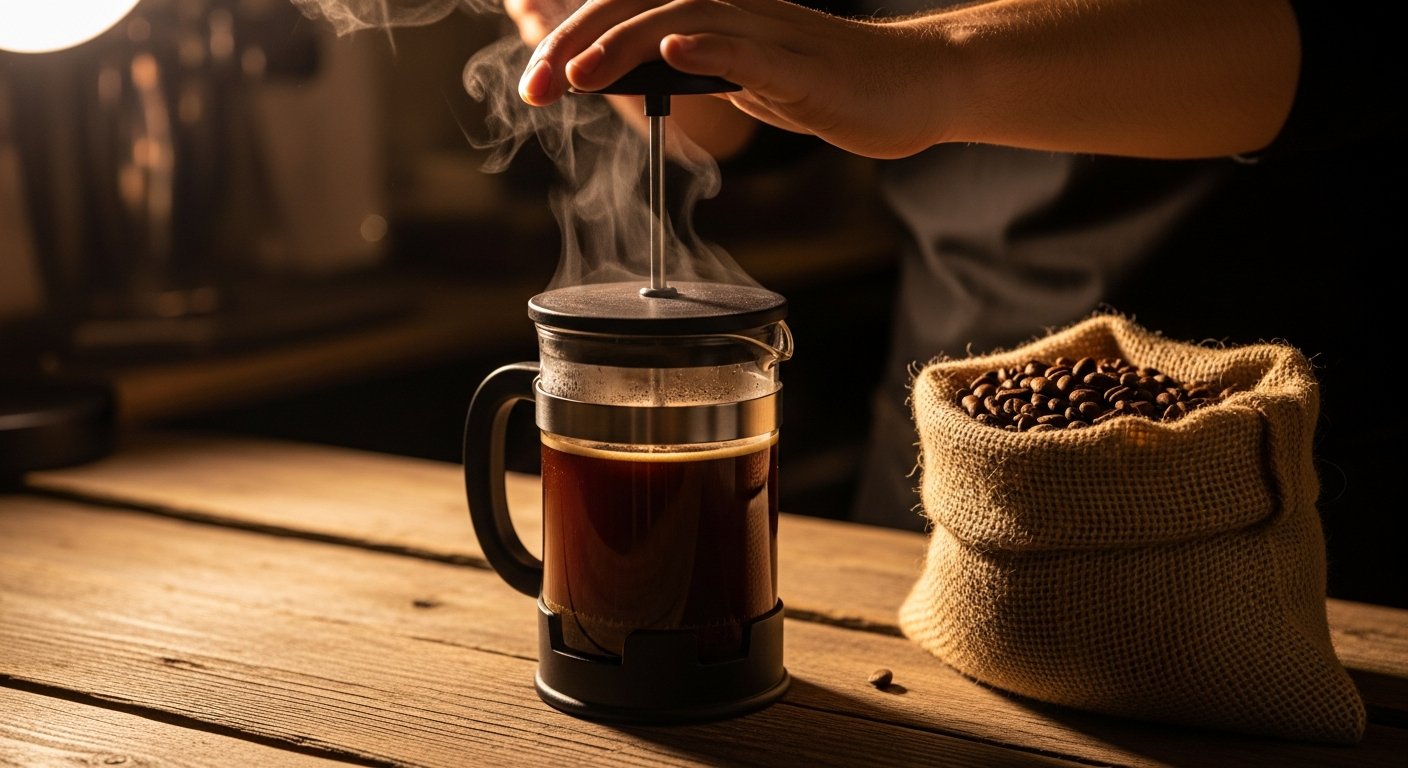
For coffee lovers seeking a rich, immersive cup, the French press remains one of the most rewarding brewing methods. Its ability to extract deep flavors and a velvety mouthfeel makes it ideal for showcasing single origin organic beans. However, achieving that signature full body requires more than just plunging hot water through grounds. The french press technique for full body single origin organic coffee demands precision in grind size, water temperature, steeping time, and pressing motion. When executed correctly, this method transforms high-quality beans into a cup that highlights terroir, sweetness, and complexity without any paper filter stripping away natural oils.
Many home brewers struggle with muddy sediment, bitter over-extraction, or weak flavor. The difference between a mediocre press and an exceptional one often comes down to a few key variables. By understanding how each variable interacts with the unique characteristics of single origin organic coffee, you can consistently produce a brew that rivals any pour-over or espresso. This guide walks you through every step, from selecting the right beans to dialing in your technique for maximum body and clarity.
Why French Press Suits Single Origin Organic Beans
Single origin organic coffees are grown in specific regions without synthetic pesticides or fertilizers. They carry distinct flavor notes from the soil, altitude, and microclimate. The French press, with its metal mesh filter, allows the natural oils and fine particles to remain in the cup. These oils contribute to a heavier mouthfeel and carry volatile aromatic compounds that paper filters often trap. For organic beans, which rely on natural farming practices to develop flavor, preserving those oils is essential to tasting the full spectrum of the harvest.
The full body of a French press brew complements the often brighter acidity and nuanced sweetness found in single origin lots. For example, an Ethiopian Yirgacheffe might show floral and citrus notes in a pour-over, but in a French press it gains a creamy texture that balances those high notes. A Sumatran Mandheling, known for earthy and herbal tones, becomes almost syrupy with the right technique. Organic certification further ensures that no chemical residues interfere with these delicate flavors, making the French press an honest vehicle for the bean’s true character.
Selecting the Right Grind Size
Grind size is arguably the most critical factor in the french press technique for full body single origin organic coffee. Too fine, and you will over-extract, leading to bitterness and excessive sediment. Too coarse, and the water will under-extract, resulting in a thin, sour cup. For a full body, aim for a coarse grind resembling sea salt or breadcrumbs. The particles should be uniform, with minimal fines (powder-like dust) that slip through the mesh and create sludge.
If you are grinding at home, use a burr grinder rather than a blade grinder. Burr grinders produce consistent particle sizes, while blades create uneven chunks and fines. A consistent grind ensures that water extracts flavor evenly from all particles. For organic beans, which can be slightly denser due to lower moisture content from natural drying methods, you may need to adjust slightly coarser or finer depending on the roast level. Light roasts often require a slightly finer grind to increase surface area, while dark roasts need a coarser grind to avoid over-extraction.
Here are three quick checks to confirm your grind is correct:
- Visual check: The grounds should look like coarse kosher salt with no large chunks or powdery dust.
- Feel check: Rub a pinch between your fingers. They should feel gritty, not smooth or sticky.
- Brew check: After steeping, the plunger should press down with steady resistance. If it jams or sinks too fast, adjust grind size.
Once you dial in the grind, note the setting on your grinder for that specific bean and roast level. Different single origin organic coffees may require slight tweaks, but starting with a coarse grind gives you a reliable baseline.
Water Temperature and Ratio
Water temperature directly affects extraction speed and flavor balance. For a full body French press, use water between 195°F and 205°F (90°C to 96°C). Boiling water (212°F) can scorch the grounds and extract harsh tannins, especially from lighter roasted organic beans. If you do not have a variable temperature kettle, let boiling water sit for 30 to 45 seconds before pouring. This simple step prevents bitterness while still providing enough heat to dissolve sugars and acids.
The coffee-to-water ratio also determines body. For a bold, full-bodied cup, use a ratio of 1:15 to 1:16 (coffee to water). That means 15 to 16 grams of water for every gram of coffee. A standard recipe for a 12-ounce (350 ml) press uses 22 to 24 grams of coffee. This ratio ensures enough dissolved solids for a heavy mouthfeel without becoming overpowering. Organic beans often have a slightly lower density than conventional beans because they are grown in healthier soil with more microbial activity. You may need to increase the dose by 1 to 2 grams to achieve the same strength you would expect from non-organic beans.
The Steeping and Plunging Process
Once you have your grind, water, and ratio ready, the steeping process begins. Start by adding the ground coffee to your preheated French press. Pour a small amount of hot water (about twice the weight of the coffee) over the grounds and let it bloom for 30 seconds. Blooming releases trapped carbon dioxide from roasting, which can otherwise cause uneven extraction. For fresh single origin organic beans, you will see a vigorous bloom with bubbles rising. Stir gently with a wooden spoon or chopstick to ensure all grounds are wet.
After blooming, add the remaining water and place the lid on top without plunging. Let the coffee steep for exactly 4 minutes. This is the sweet spot for full body extraction. Shorter steeping times (3 minutes) produce a lighter cup, while longer times (5 minutes) risk over-extraction and bitterness. During the steep, a crust of grounds will form on the surface. After 3 minutes, break that crust by stirring gently, then let it settle for the final minute. This step improves clarity and ensures even extraction.
When the 4 minutes are up, press the plunger down slowly and evenly. Apply steady pressure but do not force it. If you meet resistance, pause and let the plunger settle rather than pushing harder. A hard press can force fines through the mesh and disturb the bed, creating muddy coffee. Once plunged, pour the coffee immediately into a carafe or cup. Do not let it sit on the grounds, as extraction continues and turns bitter. If you are brewing multiple servings, transfer the coffee to a thermal carafe to keep it hot without over-extracting.
Avoiding Common Pitfalls
Even experienced brewers encounter issues with French press coffee. The most common complaint is sediment or sludge at the bottom of the cup. While some fine particles are normal and contribute to body, excessive sediment indicates a grind that is too fine or a plunger that is pressed too aggressively. Use a coarser grind and press with a slow, gentle motion. You can also pour the coffee through a fine mesh strainer or a paper filter if you prefer a cleaner cup, but this will reduce body and remove some oils.
Bitterness often stems from water that is too hot or a steeping time that is too long. For organic single origin beans, which can be more delicate, err on the side of slightly cooler water (195°F) and a 3:30 minute steep if you are unsure. Weak or sour coffee usually means the grind is too coarse or the ratio is too low. Increase the coffee dose or grind finer until the flavor balances. Keep a brewing journal to track your variables and adjust systematically.
Another mistake is using stale beans. Single origin organic coffee is best consumed within 2 to 4 weeks of the roast date. Stale beans lose their volatile oils and produce flat, papery flavors. Always check the roast date on the bag and buy from a roaster that ships freshly roasted coffee. For those who want to explore temperature effects on extraction, our guide on Organic Single Origin Espresso Dial In Temperature Guide provides additional insights that apply to French press as well.
Enhancing Body with Technique Tweaks
For those who want an even heavier mouthfeel, consider the James Hoffmann French press method. This technique involves stirring the crust twice during the steep and skimming off the foam before plunging. It reduces sediment while preserving body. Another variation is the “cupping” method, where you let the grounds settle naturally without plunging and then pour gently. This produces a very clean cup but sacrifices some body. For full body, stick with the standard 4-minute steep with a gentle plunge.
You can also experiment with a longer bloom time. Let the coffee bloom for 45 to 60 seconds if you are using very fresh organic beans. The extra time allows more CO2 to escape, which can improve extraction and body. Additionally, using a coarser grind and a slightly hotter water (205°F) can extract more oils without over-extracting bitter compounds. Each single origin organic coffee reacts differently, so treat these tweaks as starting points for your own experimentation.
Cleaning and Maintenance for Consistent Results
French press carafes and plungers must be cleaned thoroughly after each use. Old coffee oils can go rancid and taint future brews. Disassemble the plunger and wash all parts with warm soapy water. Pay special attention to the mesh filter, where fine grounds get trapped. Use a soft brush to remove residue. Rinse well to avoid soapy flavors. For glass carafes, avoid sudden temperature changes that could cause cracking. Let the carafe cool before washing.
Replace the plunger mesh if it becomes bent or damaged. A warped mesh allows too many fines to pass through, ruining the body and clarity. Most manufacturers sell replacement parts. If you brew French press daily, consider buying a spare plunger assembly to swap out while one dries. Proper maintenance ensures that your french press technique for full body single origin organic coffee remains consistent over time.
Mastering the French press is a journey of small adjustments. The reward is a cup that captures the essence of the bean its origin, its organic farming story, and its unique flavor profile. With practice, you will develop an intuitive sense of how each variable affects the final brew. Start with quality single origin organic coffee, a consistent grind, precise water temperature, and a disciplined steep time. Then trust your palate and adjust. The perfect full body cup is within reach.