Blockchain Coffee Traceability for Supply Chain Transparency
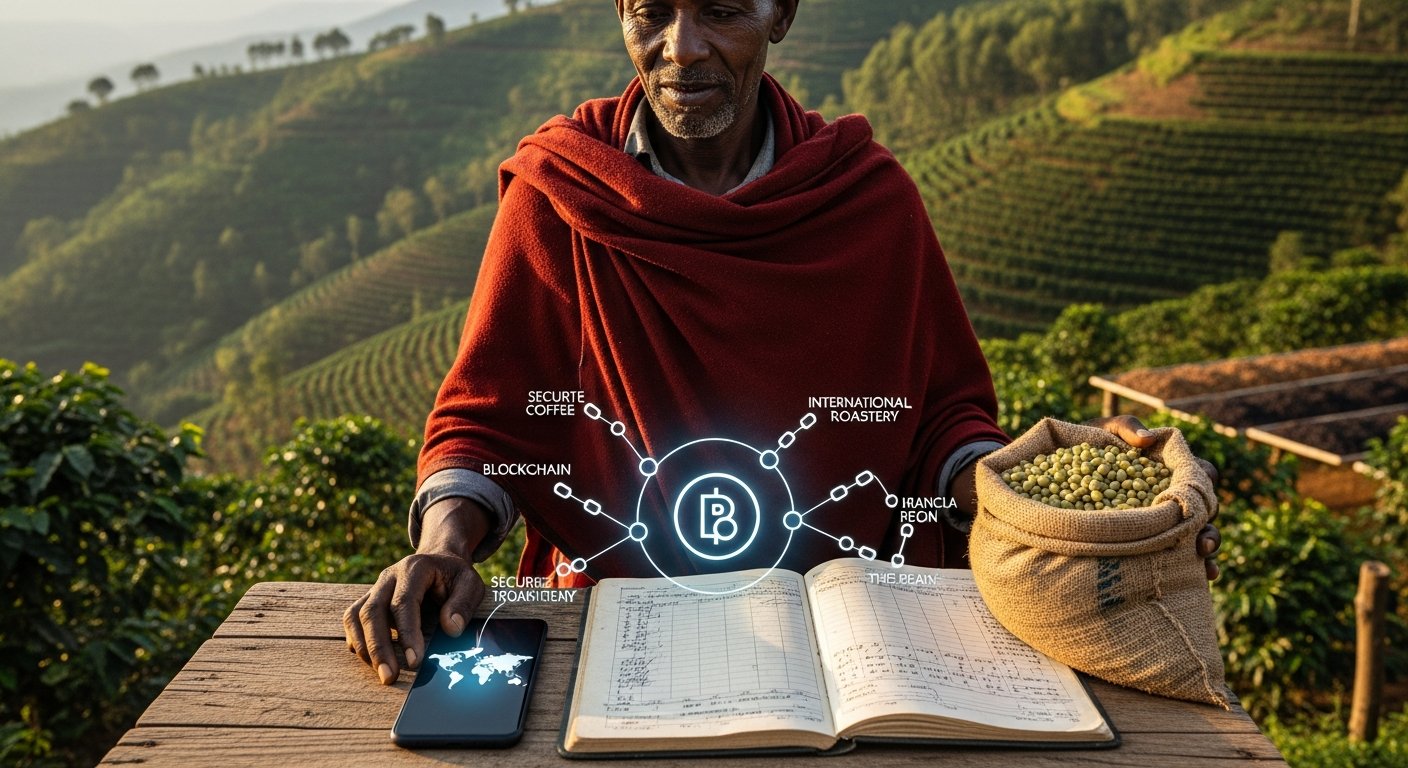
Every coffee drinker has wondered about the story behind their morning cup. Where were the beans grown? Who picked them? Was the farmer paid fairly? These questions have become more pressing as consumers demand ethical sourcing and verifiable quality. Yet traditional supply chains often hide the answers behind layers of middlemen, inconsistent documentation, and opaque trade routes. A new technology is changing that. Blockchain coffee traceability supply chain transparency offers a way to follow every bean from farm to cup with immutable records that cannot be altered or erased. This is not a futuristic concept. It is happening now, and it is reshaping how roasters, retailers, and drinkers interact with coffee.
How Blockchain Creates Trust in Coffee Supply Chains
Blockchain is a distributed ledger technology where each transaction or data point is recorded as a block. These blocks are linked chronologically and secured by cryptography. Once a block is added to the chain, it cannot be changed without consensus from the network. For coffee, this means that every step of the journey can be documented and verified. A farmer in Ethiopia can record the harvest date and lot number. The exporter adds cupping scores and shipment details. The roaster logs the roast profile and packaging date. Every participant has a permanent record that matches what the next participant sees.
This system eliminates the need for trust between strangers. Instead, the technology provides cryptographic proof that data has not been tampered with. For supply chain transparency, this is revolutionary. Buyers no longer need to rely on paper certificates or verbal promises. They can scan a QR code on a bag of coffee and see the entire chain of custody. This builds consumer confidence and helps brands differentiate themselves in a crowded market.
The Problems Blockchain Solves in Coffee Sourcing
The global coffee supply chain is notoriously fragmented. A single batch of beans may pass through five or more intermediaries before reaching a roaster. Each handoff creates opportunities for fraud, mislabeling, and loss of information. Common issues include:
- Misrepresentation of origin: lower-grade beans labeled as single-origin or specialty grade.
- Unfair pricing: farmers receive a fraction of the final retail price because data asymmetry hides true production costs.
- Sustainability claims without proof: certifications like Fair Trade or Rainforest Alliance can be counterfeited or double-counted.
- Lack of consumer trust: buyers cannot verify ethical claims made on packaging.
Blockchain coffee traceability supply chain transparency directly addresses each of these problems. When every transaction is recorded on a shared ledger, origin fraud becomes nearly impossible. Farmers can upload their own data, including GPS coordinates and photos of their farm. Buyers can verify that the coffee they are purchasing matches the digital record. This creates a direct link between producer and consumer, reducing the power of middlemen and increasing the farmer’s share of the profit.
Real-World Examples of Blockchain in Coffee
Several companies have already implemented blockchain traceability with measurable results. Farmer Connect, a blockchain platform built on IBM’s technology, allows consumers to trace coffee from Colombia, Ethiopia, and other origins. Users scan a code on the package and see the farmer’s story, the harvest date, and the shipping route. The platform also lets consumers send a small payment directly to the farmer as a tip or donation. This creates an emotional connection and financial benefit for the grower.
Another example is Moyee Coffee, which uses blockchain to verify its FairChain model. The company promises that farmers receive a larger percentage of the retail price than in traditional Fair Trade arrangements. Every bag includes a traceability code that shows the exact premium paid to the farmer. This transparency has helped Moyee build a loyal customer base that values ethical sourcing.
Starbucks has also entered the space with its Bean to Cup traceability program, built on Microsoft’s Azure blockchain. Customers can track where their coffee was grown, how it was processed, and when it was roasted. While Starbucks does not share every detail publicly, the system is designed to verify sustainability claims and ensure compliance with the company’s ethical sourcing standards.
Costs and Barriers to Adoption
Despite the benefits, blockchain coffee traceability supply chain transparency is not yet widespread. The technology requires investment in hardware, software, and training. Smallholder farmers, who produce most of the world’s coffee, often lack smartphones, reliable internet, or digital literacy. They may also be reluctant to share data that could be used against them in price negotiations.
There are also costs associated with onboarding participants and maintaining the blockchain network. Transaction fees on public blockchains like Ethereum can be high during peak usage. Private blockchains reduce costs but require a central authority to manage permissions, which undermines the decentralized nature of the system. For many roasters, the return on investment is unclear, especially if their customers are not yet demanding traceability.
However, these barriers are decreasing. Mobile apps designed for low-bandwidth environments allow farmers to upload data using basic phones. Some platforms subsidize the cost of onboarding by charging roasters a subscription fee instead of farmers. As consumer demand for transparency grows, the business case for blockchain becomes stronger.
How Roasters and Retailers Can Implement Blockchain Traceability
For coffee companies considering blockchain, the process involves several steps. First, identify the data points that matter most to your customers. Do they care about origin, roast date, or carbon footprint? Focus on a few key metrics to avoid overwhelming participants. Second, choose a blockchain platform that fits your scale. Smaller roasters may start with a simple QR code linked to a cloud database, while larger operations may require a full distributed ledger.
Third, onboard your supply chain partners. This requires training and clear communication about the benefits. Farmers need to understand that sharing data can lead to higher prices and long-term contracts. Exporters and importers must agree on data standards so that records are consistent. Fourth, test the system with a single product line before expanding. This allows you to identify problems and refine the user experience.
Finally, market your traceability to consumers. Use packaging labels, social media, and in-store signage to explain how blockchain works and why it matters. Customers are more likely to pay a premium for coffee when they can see the direct impact of their purchase. Transparency becomes a selling point, not just a technical feature.
The Role of Smart Contracts in Automating Payments
One of the most promising applications of blockchain is the smart contract. This is a self-executing contract with terms written directly into code. When conditions are met, the contract automatically triggers a payment or action. For coffee supply chains, smart contracts can release payment to farmers as soon as the beans are verified at the roastery. This eliminates delays and reduces the risk of non-payment.
Smart contracts can also enforce sustainability rules. For example, a roaster could require that all coffee in a shipment be shade-grown and organic. If the blockchain record confirms this, the contract releases a premium payment. If the record shows a violation, the contract withholds the premium. This creates a trustless system where compliance is verified automatically, without human oversight.
This automation reduces administrative costs and speeds up transactions. For farmers who often wait weeks or months for payment, smart contracts can provide immediate liquidity. This financial stability allows them to invest in better equipment, higher-quality processing, or education for their children. The result is a more resilient supply chain that benefits everyone.
Data Privacy and Ethical Considerations
Blockchain coffee traceability supply chain transparency raises important questions about data ownership. Farmers may not want their personal information or farm location publicly visible on an immutable ledger. Some platforms address this by using permissioned blockchains where only authorized parties can view sensitive data. Others allow farmers to choose what information is shared and with whom.
There is also the risk of digital colonialism, where technology companies from wealthy countries extract data from producers without fair compensation. Coffee blockchain initiatives must be designed with input from farmers, cooperatives, and local communities. The goal should be to empower producers, not surveil them. Transparent governance and data-sharing agreements are essential to avoid exploitation.
Consumers also have a role to play. They should ask questions about how their coffee data is collected and used. Brands that are serious about ethics will publish their data policies and allow consumers to opt out of data collection if they choose. The best blockchain systems are those that balance transparency with privacy.
Integration with Existing Certification Programs
Blockchain does not replace certifications like Fair Trade, Organic, or Rainforest Alliance. Instead, it can verify and enhance them. Certification bodies often rely on audits that happen once a year. Blockchain can provide continuous monitoring by recording each transaction and flagging anomalies. This reduces fraud and makes certifications more credible.
For example, a coffee lot certified as organic might have blockchain records showing the farm’s soil tests, the date of the last pesticide application, and the chain of custody from farm to roaster. If a record is missing or inconsistent, the certification can be suspended until the issue is resolved. This level of detail is impossible with paper-based systems.
Some certification organizations are already experimenting with blockchain. The Rainforest Alliance has partnered with technology firms to pilot traceability projects in Latin America and Africa. If successful, these pilots could lead to industry-wide standards that combine certification with digital verification.
Future Trends and Scalability
The future of blockchain in coffee depends on interoperability. Currently, many platforms are siloed, meaning data on one blockchain cannot easily be read by another. Industry groups like the Specialty Coffee Association are working on common data standards that would allow different blockchains to communicate. This would enable a roaster to trace coffee from a small cooperative using one platform and an importer using another.
Another trend is the use of Internet of Things (IoT) sensors to automate data collection. Temperature and humidity sensors can record storage conditions during shipping and upload the data directly to the blockchain. This ensures that coffee quality is maintained throughout the journey and provides proof if the product was mishandled.
Scalability remains a challenge, but solutions are emerging. Layer-2 protocols and sidechains can handle higher transaction volumes at lower costs. As these technologies mature, blockchain coffee traceability supply chain transparency will become accessible to even the smallest producers. The tipping point will come when major retailers require traceability as a condition for listing products, similar to how they now require barcodes and nutritional labels.
Practical Steps for Consumers
You do not need to be a roaster or a farmer to support blockchain traceability. As a consumer, you can choose to buy coffee from brands that offer verifiable transparency. Look for packaging that includes a QR code or a unique lot number. Scan it and see if the information matches what the brand claims. If the data is vague or missing, ask the company why.
You can also advocate for transparency in your workplace, school, or local cafe. Ask your coffee supplier whether they can trace their beans back to the farm. Many specialty roasters are happy to share this information, and they may already be using blockchain. Your demand for accountability helps drive adoption across the industry.
Finally, be patient with the technology. Blockchain is still evolving, and early implementations may have bugs or gaps. Support companies that are transparent about their limitations and committed to improvement. Over time, the systems will become more robust, and the benefits for farmers and consumers will grow.
The journey from bean to cup is long and complex. Blockchain coffee traceability supply chain transparency does not simplify the path, but it illuminates it. For the first time, everyone in the chain can see the same truth. That truth empowers farmers, builds trust with consumers, and creates a more just and sustainable coffee industry. The next time you brew a cup, consider the story behind it. With blockchain, that story is finally yours to know.