
How Coffee Altitude Affects Acidity and Sweetness
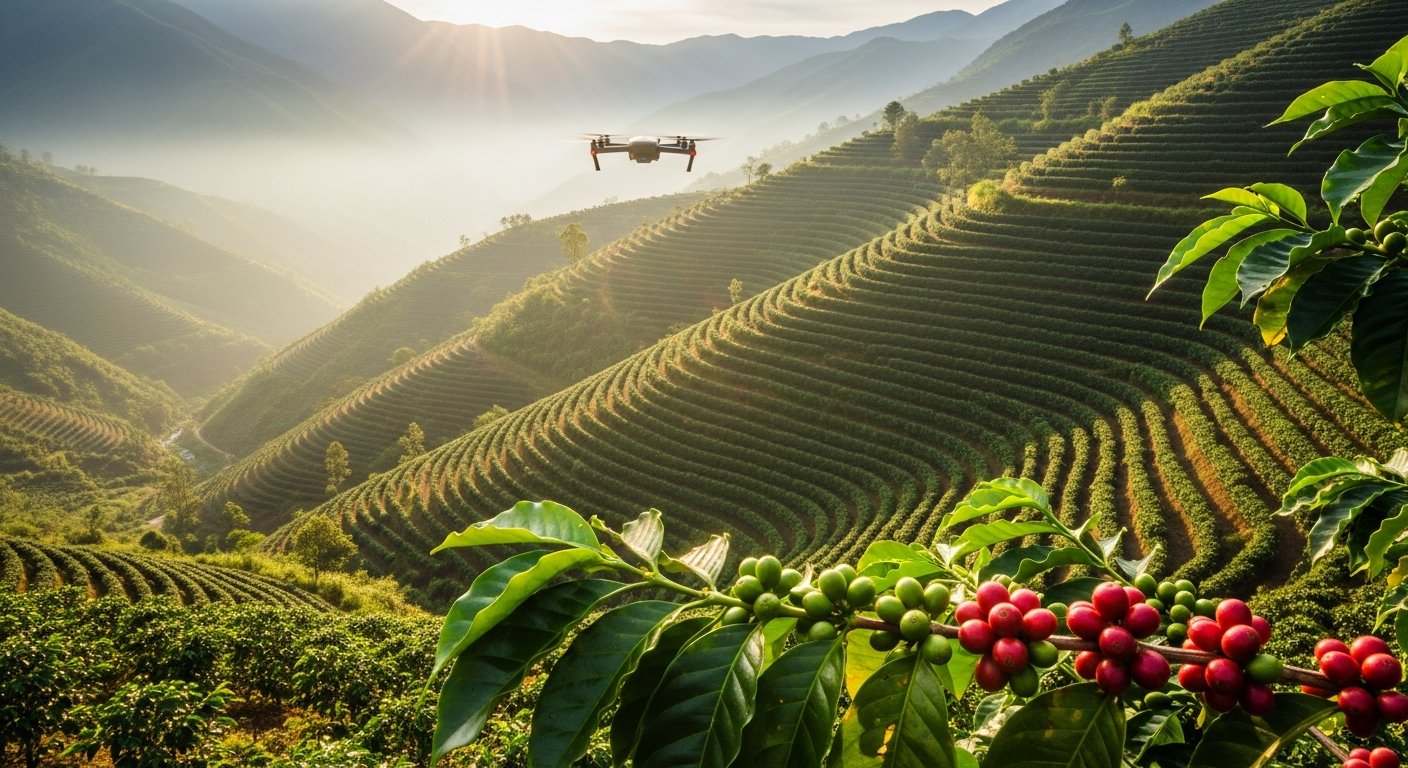
Imagine sipping a coffee that tastes like a crisp green apple on one side and a rich caramel candy on the other. That balance of bright acidity and deep sweetness is not an accident. It starts thousands of feet above sea level. The altitude where coffee grows directly shapes the chemical compounds inside the bean, and that determines everything you taste in your cup. Understanding the coffee altitude effect on acidity and sweetness helps you choose beans that match your flavor preferences, whether you crave a sparkling, wine-like brew or a smooth, chocolatey mug.
The Science Behind Altitude and Coffee Chemistry
As elevation increases, air temperature drops. Cooler temperatures slow down the growth cycle of the coffee plant. This slower maturation gives the cherry more time to develop complex sugars and organic acids. At lower elevations, heat forces the cherry to ripen quickly, producing a denser but less flavorful bean. The result is a coffee that often tastes flat or one-dimensional.
Oxygen levels and atmospheric pressure also change with altitude. Lower pressure at high elevations affects how the plant metabolizes nutrients. The coffee tree produces more chlorogenic acid and citric acid as a natural defense against environmental stress. These acids are the building blocks of what we perceive as brightness or acidity. At the same time, the longer ripening period allows sugars to accumulate more fully, creating a foundation for sweetness that balances the acidity.
This is not a simple linear relationship. A coffee grown at 1,200 meters will not taste exactly like a coffee from 1,800 meters. The specific variety of the plant, soil composition, and processing method all interact with altitude. However, elevation remains one of the most reliable predictors of a bean’s potential for vibrant acidity and layered sweetness.
Altitude Ranges and Their Flavor Signatures
Specialty coffee professionals often categorize altitude into three broad zones. Each zone produces a distinct flavor profile that reflects the coffee altitude effect on acidity and sweetness.
Low Altitude (Below 900 Meters)
Coffees from low altitudes tend to have a mild, straightforward flavor. Acidity is low, often described as soft or round. Sweetness is present but not pronounced, and these beans frequently exhibit earthy or nutty notes. They are forgiving to roast and brew, making them popular for commercial blends. If you prefer a coffee that is easy to drink without any sharpness, low-altitude beans are a reliable choice.
Medium Altitude (900 to 1,200 Meters)
This range is where acidity begins to emerge. You will find a noticeable increase in brightness, often described as citrus or stone fruit. Sweetness also rises, creating a balanced cup that works well for drip coffee or pour-over methods. Medium-altitude beans are versatile and appeal to drinkers who want more complexity without the intense acidity of high-altitude coffees.
High Altitude (Above 1,200 Meters)
High-altitude coffees are where the magic happens. Acidity becomes vibrant and complex, with flavors ranging from lemon zest to red wine. Sweetness is equally intense, often taking on notes of honey, brown sugar, or dried fruit. The body can be lighter, but the overall experience is layered and dynamic. These beans are prized by specialty roasters and often command higher prices because of their superior flavor potential.
Some of the most famous coffee origins thrive at extreme altitudes. Ethiopian Yirgacheffe grows at 1,700 to 2,200 meters, producing a floral, tea-like acidity and delicate sweetness. Colombian beans from the Huila region, grown around 1,500 to 1,800 meters, deliver a bright, caramel-accented profile. These examples show that the coffee altitude effect on acidity and sweetness is not just theoretical; it is a practical tool for selecting exceptional coffee.
How Acidity Changes With Elevation
Acidity in coffee is not the same as pH level. It refers to the perception of brightness, crispness, or liveliness on your tongue. High-altitude beans contain higher concentrations of several organic acids, including citric, malic, and phosphoric acid. Citric acid gives a lemon or orange character. Malic acid provides an apple or pear note. Phosphoric acid adds a wine-like tang.
These acids develop naturally as the cherry matures. In cooler high-altitude environments, the cherry retains more of these acids because the slower growth prevents them from breaking down into sugars before harvest. The result is a coffee that tastes vibrant and complex. Lower-altitude beans, by contrast, lose much of their acid content during the accelerated ripening process, leading to a flatter cup.
There is a common misconception that high-altitude coffee is always sour. That is not true. Properly grown and roasted high-altitude coffee has a pleasant, balanced acidity that complements sweetness. Sourness occurs when the coffee is under-extracted during brewing or roasted too lightly for the bean’s density. When you understand the coffee altitude effect on acidity and sweetness, you can adjust your brewing parameters to extract the best from high-altitude beans.
Sweetness Development at Higher Elevations
Sweetness in coffee comes from sucrose and other carbohydrates that develop during cherry maturation. High-altitude conditions promote higher sugar content because the plant has more time to photosynthesize and store energy. The cooler nights slow down respiration, allowing the cherry to retain more of the sugars it produces during the day.
This natural sweetness is critical for balancing acidity. A coffee with high acidity but low sweetness tastes sharp and unpleasant. A coffee with both high acidity and high sweetness tastes refreshing and well-rounded. The coffee altitude effect on acidity and sweetness is essentially a partnership. Altitude provides the conditions for both to flourish, but the roaster and brewer must preserve that balance.
Processing method also influences sweetness. Washed coffees from high altitudes retain a clean, bright sweetness. Natural or honey-processed beans amplify sweetness further by allowing the sugars from the cherry pulp to penetrate the bean during drying. This is why some of the sweetest coffees come from high-altitude regions processed using natural methods.
Roasting and Altitude: Matching the Bean
Roasters adjust their profiles based on the altitude of the green bean. High-altitude beans are denser and require more heat to develop fully. If roasted too quickly, they will taste grassy or underdeveloped. If roasted too dark, the delicate acidity and sweetness are lost. The goal is to reach a roast level that preserves the bean’s intrinsic character while eliminating unwanted green or vegetal notes.
For low-altitude beans, a medium to dark roast is common because it adds body and masks the lack of acidity. For high-altitude beans, a light to medium roast is preferred to showcase the bright acidity and complex sweetness. This is why you rarely see a high-altitude single origin roasted to a dark French roast. The roaster wants to highlight the coffee altitude effect on acidity and sweetness, not bury it under smoky flavors.
If you are brewing at home, consider matching your brewing method to the altitude profile. High-altitude beans benefit from pour-over or Aeropress methods that emphasize clarity and brightness. Low-altitude beans do well in espresso or French press, where body and smoothness are more important. For a deeper dive into how different methods affect these traits, see our guide on coffee brewing methods comparison for flavor, body, and acidity.
Practical Tips for Choosing Coffee by Altitude
When you buy whole bean coffee, look for the elevation on the bag. Many specialty roasters include this information. If you do not see it, the origin can give you a clue. Coffees from Kenya, Ethiopia, Colombia, and Costa Rica are often grown at high altitudes. Coffees from Brazil, Vietnam, and India are more likely to come from lower elevations.
Here are three key takeaways to apply when selecting your next bag:
- Check the elevation: Look for beans grown above 1,200 meters if you want bright acidity and pronounced sweetness. Below 900 meters, expect a mild, smooth cup.
- Match your palate: If you enjoy wine or citrus flavors, choose high-altitude beans. If you prefer chocolate or nutty notes, medium to low altitudes will satisfy you.
- Adjust your brew: High-altitude beans often require a finer grind and slightly hotter water to extract fully. Experiment with your pour-over technique to bring out the best balance.
These guidelines turn the coffee altitude effect on acidity and sweetness into a practical tool. Instead of guessing, you can make informed choices that consistently deliver the flavor you want.
Terroir and Altitude: The Bigger Picture
Altitude does not work in isolation. It is part of a larger concept called terroir, which includes soil, rainfall, sunlight, and temperature variation. A coffee grown at 1,500 meters in volcanic soil will taste different from one grown at the same elevation in sandy loam. The microclimate around each farm introduces subtle variations that make each harvest unique.
For example, two farms in the same region of Guatemala might produce different acidity levels even at identical altitudes because one faces east and gets morning sun while the other faces west and receives afternoon heat. The coffee altitude effect on acidity and sweetness is a powerful guide, but it is not the only factor. A skilled roaster and an attentive brewer can highlight the best qualities of any bean, regardless of elevation.
That said, altitude remains the single most accessible piece of information for predicting flavor. If you see a bag labeled with an elevation above 1,500 meters, you can reasonably expect a vibrant, sweet cup. That expectation helps you choose beans that match your mood or your brewing setup.
Final Thoughts on Altitude and Flavor
The relationship between altitude and taste is one of the most reliable tools in the coffee world. By understanding the coffee altitude effect on acidity and sweetness, you gain the ability to select beans that deliver exactly the experience you want. High-altitude coffees offer a symphony of bright acids and deep sugars. Lower-altitude coffees provide comfort and consistency. Both have their place, but knowing the difference elevates your coffee routine from routine to intentional.
Next time you grind a fresh batch, take a moment to look at the origin and elevation. Let that information guide your brewing decisions. You might discover a new favorite that you would have overlooked otherwise. The altitude is not just a number. It is a promise of flavor waiting to be unlocked.