
Thermal Shock Processing Flavor Impact on Coffee
Imagine a coffee that tastes like a tropical fruit basket, with a clean, tea-like body and a sweetness that lingers on your palate. This is not a fantasy from a futuristic coffee lab. It is the result of a growing experimental processing method called thermal shock. For coffee enthusiasts seeking new flavor experiences, understanding the thermal shock coffee processing method flavor impact is essential. This technique, which involves rapidly changing the temperature of coffee cherries during fermentation, is reshaping what we expect from a cup of specialty coffee. It is a departure from traditional washed or natural processes, offering a unique profile that bridges the gap between intense fruitiness and pristine clarity.
At its core, thermal shock processing is about control. By subjecting freshly harvested coffee cherries to extreme temperature shifts, producers can manipulate microbial activity and enzymatic reactions inside the fruit. This leads to the development of flavors that are rarely found in conventionally processed coffees. The result is a cup that often exhibits bright acidity, pronounced sweetness, and complex fruity notes. As the specialty coffee industry continues to explore innovation, understanding how thermal shock affects flavor is no longer optional. It is a necessity for roasters, baristas, and home brewers who want to stay ahead of the curve.
What Is Thermal Shock Coffee Processing?
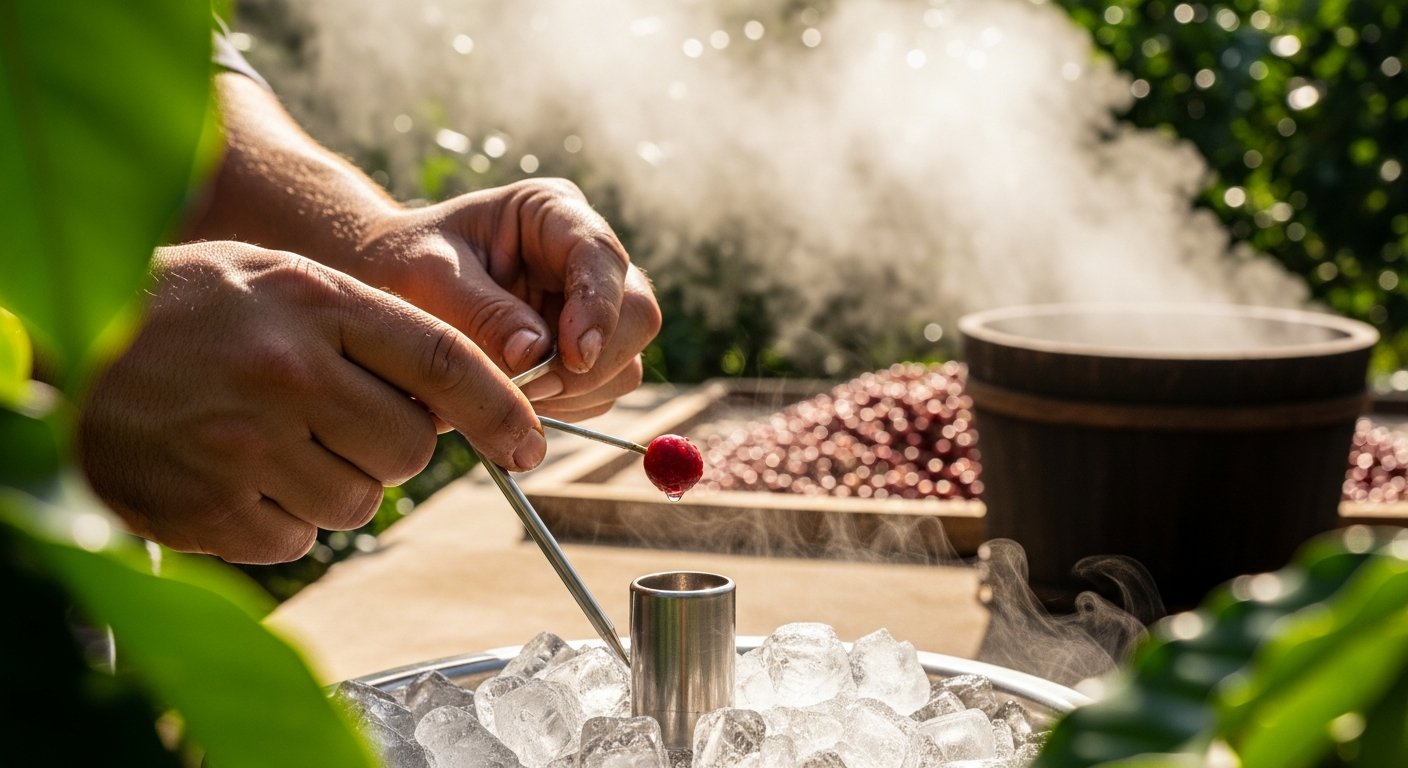
Thermal shock processing is a post-harvest technique where coffee cherries are exposed to a sudden, dramatic temperature change. Typically, the process begins with freshly picked cherries being placed in a hot water bath or steam environment for a short period. This can range from a few seconds to a couple of minutes, depending on the desired outcome. Immediately after this heat exposure, the cherries are plunged into cold water or an ice slurry. This rapid temperature shift stresses the cherry, causing the pulp and mucilage to break down in a controlled manner.
The science behind this method lies in the physical and chemical changes that occur within the cherry. The heat opens the pores of the cherry skin and denatures some of the enzymes naturally present. The cold shock then locks in specific compounds while encouraging the release of others. This process can be combined with fermentation in sealed tanks, often with controlled oxygen levels. The result is a fermentation environment that encourages the development of esters and other volatile compounds responsible for fruity and floral aromas. Unlike carbonic maceration, which relies on anaerobic conditions, thermal shock emphasizes temperature as the primary driver of flavor transformation.
Producers often use thermal shock as a pre-fermentation step. After the temperature treatment, the cherries are transferred to fermentation tanks for a period ranging from 24 to 72 hours. Some variations involve multiple thermal shocks or the addition of specific yeast strains. This flexibility makes thermal shock a versatile tool for coffee processors. However, it also requires careful monitoring to avoid over-fermentation or the development of off-flavors. The method is labor-intensive and demands precise equipment, which is why it remains relatively rare outside of experimental lots.
How Thermal Shock Alters Coffee Flavor Profiles
The thermal shock coffee processing method flavor impact is most noticeable in the cup’s acidity and fruit character. Coffees processed this way often exhibit a bright, crisp acidity that resembles citric or malic acid. This is because the temperature shock helps preserve the natural acids present in the cherry while breaking down other compounds that might mask them. The result is a clean, vibrant cup that can be reminiscent of sparkling lemonade or green apple.
Sweetness is another area where thermal shock shines. The heat treatment caramelizes some of the sugars in the pulp, leading to a deeper, more complex sweetness. This is different from the simple sweetness found in natural processed coffees. Instead of tasting like dried fruit, thermal shock coffees often have a honey-like or raw sugar sweetness that blends seamlessly with the acidity. The body of these coffees is typically medium to light, with a tea-like mouthfeel that emphasizes clarity over creaminess.
Flavor notes from thermal shock processing can include tropical fruits like pineapple, mango, and passion fruit. Floral notes such as jasmine and lavender are also common, especially when the process is combined with longer fermentation times. Some batches exhibit wine-like characteristics, with a slight effervescence on the palate. The key is that these flavors are not muddled. They remain distinct and layered, allowing the drinker to pick out individual notes with each sip. This clarity is a hallmark of thermal shock processing and sets it apart from other experimental methods.
Comparing Thermal Shock to Washed and Natural Processing
To fully appreciate the thermal shock coffee processing method flavor impact, it helps to compare it to traditional methods. Washed coffees are known for their clean, bright profiles with high acidity and minimal body. Natural processed coffees offer intense fruitiness and heavy body but can sometimes lack clarity. Thermal shock occupies a middle ground. It provides the brightness and cleanliness of a washed coffee while delivering the fruit complexity of a natural. This makes it an attractive option for roasters who want to offer something unique without sacrificing balance.
Another key difference is the level of control. In washed processing, the mucilage is removed before drying, which limits the microbial activity that can create fruity flavors. Natural processing relies heavily on the environment and can result in inconsistent quality. Thermal shock gives the producer a more predictable outcome by controlling the temperature variable. This consistency is valuable for specialty coffee buyers who demand repeatability from their lots. However, it also means that thermal shock coffees tend to be more expensive, reflecting the additional labor and equipment required.
The Role of Fermentation in Thermal Shock
Fermentation is a critical component of the thermal shock process. After the temperature treatment, the cherries are placed in fermentation tanks. These tanks can be sealed to create an anaerobic environment, or they can be left open for aerobic fermentation. The choice depends on the flavor profile the producer wants to achieve. Anaerobic fermentation tends to produce more intense, wine-like flavors, while aerobic fermentation yields cleaner, more delicate notes.
The thermal shock step kickstarts fermentation by breaking down the cherry’s natural barriers. This allows microorganisms, such as yeasts and bacteria, to access the sugars in the pulp more easily. As these microbes consume the sugars, they produce ethanol, lactic acid, and various aromatic compounds. The rapid temperature change also affects the types of microbes that thrive. Heat-loving yeasts may dominate the initial phase, while cold-tolerant strains take over later. This microbial succession contributes to the complexity of the final flavor.
Producers often monitor pH, temperature, and Brix levels during fermentation to ensure consistency. Some even add starter cultures to guide the fermentation in a specific direction. The duration of fermentation can vary from 24 hours to several days. Longer fermentations tend to produce more pronounced fruity and funky notes, but they also carry a higher risk of spoilage. The thermal shock method helps mitigate this risk by creating a more controlled environment. For a deeper dive into another controlled fermentation method, see our guide on carbonic maceration coffee processing.
Practical Implications for Roasters and Brewers
Roasting thermal shock coffees requires a different approach than roasting washed or natural lots. The high sugar content and delicate aromatic compounds in these beans demand a lighter roast profile. Over-roasting can destroy the volatile compounds that give thermal shock coffees their unique flavors. Roasters should aim for a development time that is slightly shorter than usual, with a focus on preserving acidity and fruitiness. A light to medium roast is generally recommended.
Brewing these coffees also benefits from careful attention to variables. The clean, bright profile of a thermal shock coffee shines when brewed with pour-over methods like the V60 or Chemex. These methods allow the delicate flavors to come through without being masked by the body. Water temperature should be on the lower end, around 195 to 200 degrees Fahrenheit, to avoid extracting bitter compounds. A finer grind size can help highlight the acidity, while a coarser grind will emphasize sweetness.
Here are some key considerations for brewing thermal shock coffees:
- Use a pour-over method to preserve clarity and fruit notes.
- Keep water temperature between 195 and 200 degrees Fahrenheit.
- Grind slightly finer than you would for a washed coffee to enhance acidity.
- Brew with a 1:16 coffee-to-water ratio for a balanced extraction.
- Allow the coffee to cool slightly before tasting to fully appreciate the flavor complexity.
These adjustments can make a significant difference in the final cup. A thermal shock coffee that tastes flat with an espresso machine might reveal its full potential when brewed as a pour-over. Experimentation is key, as each lot may respond differently to brewing variables. Roasters and baristas should also consider cupping these coffees before making any major adjustments to their recipes.
Challenges and Considerations in Thermal Shock Processing
Despite its potential, thermal shock processing is not without challenges. The most significant is cost. The equipment needed to rapidly heat and cool large batches of cherries is expensive. This limits the method to well-funded producers or small experimental lots. The labor involved is also higher, as each batch requires careful monitoring and timing. These costs are passed on to buyers, making thermal shock coffees some of the most expensive on the market.
Consistency is another concern. While thermal shock offers more control than natural processing, it is still a relatively new technique. Producers are still learning how to optimize the process for different coffee varieties and growing conditions. A batch that works well for a Bourbon variety might not perform the same way with a Caturra. This variability means that buyers must rely on trust and direct relationships with producers to ensure quality. Cupping samples before purchasing is essential.
There is also the risk of over-processing. If the heat treatment is too intense or the fermentation too long, the coffee can develop unpleasant flavors. These might include vinegar-like acidity, medicinal notes, or a fermented, boozy quality that overwhelms the cup. Skilled producers know how to walk this line, but it requires experience and a willingness to experiment. For home enthusiasts, the best approach is to seek out thermal shock coffees from reputable roasters who have tested the product thoroughly.
The Future of Thermal Shock in Specialty Coffee
The specialty coffee industry is always searching for new ways to differentiate products. Thermal shock processing represents a frontier that combines science with artistry. As more producers adopt the method, we can expect to see a wider variety of flavor profiles. Some might focus on extreme fruitiness, while others aim for floral elegance. The flexibility of the process means that there is no single thermal shock flavor. Instead, it is a tool that producers can use to express the unique characteristics of their coffee.
Consumer interest in experimental processing methods is also growing. Coffee drinkers are becoming more educated about how processing affects flavor. They are willing to pay a premium for unique experiences. This trend bodes well for thermal shock coffees, which offer a distinct taste that cannot be replicated by traditional methods. As the market expands, we may see thermal shock become a standard offering from top specialty roasters, rather than a rare curiosity.
However, the method must also prove its sustainability. The energy required for heating and cooling large volumes of water is significant. Producers will need to find ways to offset this environmental impact. Innovations such as solar heating or recycled water systems could help make thermal shock more eco-friendly. The long-term viability of the method depends on balancing flavor innovation with environmental responsibility.
In the meantime, the thermal shock coffee processing method flavor impact is a compelling reason to explore this category. Whether you are a roaster looking to expand your portfolio or a home brewer seeking a new experience, thermal shock coffees offer a window into the future of coffee. They are a testament to how far the industry has come in understanding the science behind the bean. And they remind us that the best cup of coffee is often the one that challenges our expectations.