
Water Saving Methods in Coffee Processing by Origin
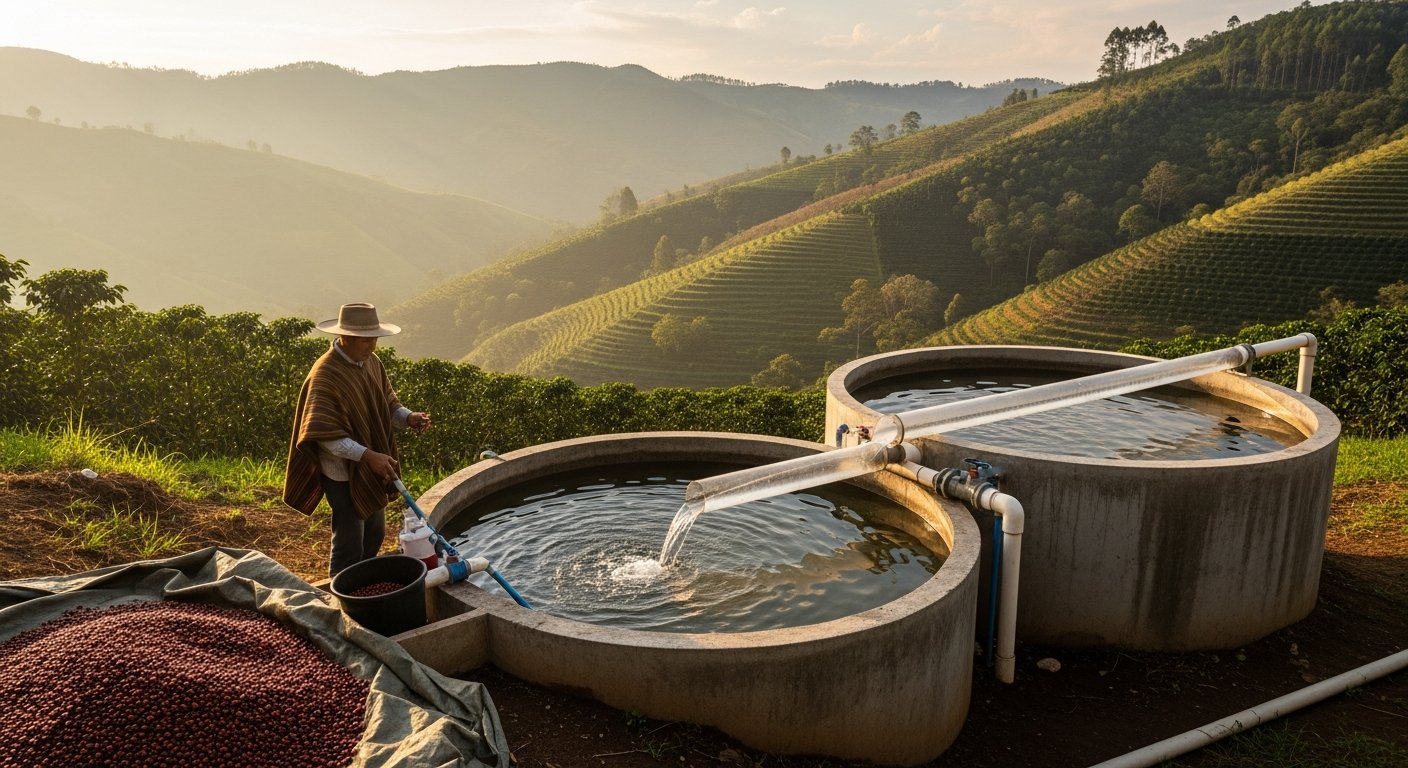
Water scarcity is one of the most pressing challenges facing the coffee industry today. From the highlands of Ethiopia to the plantations of Colombia, coffee processing has historically consumed vast amounts of fresh water. As global demand for coffee rises and climate change intensifies droughts in key growing regions, the need for water conservation techniques in coffee processing has never been more urgent. Understanding how different origin countries are adapting their post-harvest methods can help roasters, importers, and conscious consumers make better choices that protect both the environment and the livelihoods of farmers.
Traditional wet processing, which yields the clean, bright flavors prized in specialty coffee, can require up to 40 liters of water per kilogram of parchment coffee. This water often becomes polluted with mucilage and organic waste, creating environmental hazards if discharged untreated. However, a quiet revolution is underway. Producers across the globe are implementing innovative water conservation techniques that maintain cup quality while dramatically reducing water usage. This article explores these methods by origin, offering a practical framework for understanding how geography, infrastructure, and tradition shape water stewardship in coffee processing.
Why Water Conservation Matters in Coffee Origins
Coffee is grown in some of the world’s most water-stressed regions. Over 60 percent of coffee-producing areas face medium to high water scarcity during parts of the year, according to recent sustainability research. When a wet mill uses 30 to 40 liters of water per kilogram of cherry, the cumulative impact on local watersheds can be severe. Smallholder farmers, who produce roughly 80 percent of the world’s coffee, often rely on the same rivers and streams for drinking water, irrigation, and household use.
Beyond environmental ethics, there are economic and quality incentives for adopting water conservation techniques. Reducing water usage lowers operational costs for farmers and mills. It also minimizes the risk of fines or shutdowns in regions where regulations are tightening. Furthermore, poorly managed wastewater can ferment and produce off-flavors in the final cup, so cleaner processing often translates to better coffee. For roasters and buyers, understanding these techniques is essential for sourcing coffee that aligns with sustainability commitments and consumer expectations.
Key Water Conservation Techniques Across Processing Methods
Before examining specific origins, it is helpful to understand the core techniques that farmers are using to save water. These methods can be applied to washed, honey, and natural processes, often with modifications based on local conditions.
Mechanical Demucilaging and Eco-Pulpers
Traditional fermentation uses large tanks of water to break down the sticky mucilage layer surrounding the coffee bean. This process can take 12 to 36 hours and requires frequent water changes. Mechanical demucilagers, also known as eco-pulpers, remove the mucilage by friction immediately after pulping, eliminating the need for fermentation tanks entirely. These machines use 80 to 90 percent less water than conventional methods. While the upfront cost is higher, the long-term savings in water and labor are substantial. Many mills in Brazil, Colombia, and Central America have adopted this technology.
Closed-Loop Water Systems
In a closed-loop system, water used for pulping and washing is captured, filtered, and recirculated. This reduces overall water consumption to as little as 1 to 2 liters per kilogram of cherry. Sedimentation ponds and simple sand filters can remove organic solids, allowing the water to be reused multiple times. Closed-loop systems are particularly effective in regions with limited water availability, such as parts of Kenya and Ethiopia.
Dry and Semi-Dry Processing
Natural (dry) processing uses almost no water, as the whole cherry is dried in the sun before the bean is extracted. Honey processing, which leaves some or all of the mucilage on the bean during drying, uses minimal water compared to fully washed methods. These techniques are traditional in regions with long dry seasons, such as Brazil and Ethiopia, and are gaining popularity elsewhere as farmers seek to reduce water footprints. However, they require careful management to avoid defects and can produce different flavor profiles.
Water Conservation Practices in Central America
Central America has been a hotbed of innovation in water-efficient coffee processing. Countries like Costa Rica, Guatemala, and Honduras have strong cooperative structures and government support for sustainability initiatives. In Costa Rica, the Coffee Institute (ICAFE) has promoted the use of ecological benefits (beneficios ecológicos) since the early 2000s. These are wet mills designed with water recirculation systems and mechanical demucilagers. Some mills now operate with as little as 0.5 liters of water per kilogram of cherry, a 98 percent reduction from traditional methods.
In Guatemala, the Antigua region and other high-volume growing areas have seen widespread adoption of the BEC (Beneficio Ecológico) system. This closed-loop technology captures and treats wastewater, then reuses it for pulping. Farmers who have installed BEC systems report lower operating costs and fewer complaints from downstream communities. However, the initial investment can be prohibitive for smallholders. Cooperatives and export partners often provide financing or technical assistance to bridge this gap. As a result, water conservation techniques in these origins are closely tied to market access and certification programs like Rainforest Alliance and Organic.
Water Stewardship in East Africa
East Africa, particularly Ethiopia and Kenya, is the birthplace of coffee and home to some of the most diverse processing traditions. However, water scarcity is a growing concern. Many wet mills in Ethiopia rely on seasonal rivers that run dry for part of the year. To address this, some cooperatives have shifted to semi-washed or honey processing, which uses significantly less water. The Yirgacheffe region, famous for its floral and tea-like washed coffees, now sees a growing number of producers experimenting with natural and honey lots that require only minimal water for cherry sorting.
In Kenya, the Coffee Research Institute has developed guidelines for water-efficient milling that include recirculation pumps and simple settling tanks. Large estates have adopted mechanical demucilagers, but smallholder farmers often lack the capital. Instead, they use manual fermentation with careful water management. One common technique is to ferment the coffee in layers of mucilage with minimal added water, then wash the beans in a single, controlled rinse. This approach can cut water use by half while maintaining the bright acidity that Kenyan coffee is known for. The interplay between water conservation and flavor quality is a key topic for specialty buyers sourcing from this origin.
Brazil’s Large-Scale Efficiency Innovations
Brazil, the world’s largest coffee producer, has led the way in industrial-scale water conservation. The country’s coffee farms are often large and highly mechanized, making capital investments in water-saving technology more viable. Many Brazilian producers use a combination of dry processing and mechanical demucilaging. The typical Brazilian pulper removes the skin and some mucilage, then the beans are dried without fermentation. This method, sometimes called pulped natural or cereja descascado, uses roughly 5 liters of water per kilogram of cherry, compared to 20 to 30 liters for traditional wet processing.
Brazilian mills also excel at wastewater treatment. Large sedimentation lagoons and constructed wetlands filter organic matter before water is released or reused. Some estates have installed biodigesters that capture methane from coffee wastewater, converting a pollutant into energy for the mill. This closed-loop approach exemplifies how water conservation techniques can be integrated with broader sustainability goals. For roasters and baristas, Brazilian coffees processed with these methods often exhibit nutty, chocolatey notes and a smooth body, making them popular as espresso bases.
Innovations in Colombia and the Andean Region
Colombia’s mountainous terrain and smallholder-dominated landscape present unique challenges for water conservation. Many farms are located on steep slopes where water is gravity-fed from mountain streams. Traditional wet mills in Colombia can use up to 40 liters of water per kilogram of cherry. However, the Colombian Coffee Growers Federation (FNC) has promoted the Ecomill (Ecomolino) system, a low-water pulping unit that reduces consumption to 1 to 2 liters per kilogram. These mills are affordable, durable, and easy to maintain, making them accessible to smallholders.
In the Huila and Nariño regions, which produce some of Colombia’s finest specialty coffees, farmers are combining Ecomills with controlled fermentation in sealed tanks. This reduces water use while allowing for precise flavor development. Some producers have also adopted the Anaerobic Natural method, where whole cherries are fermented in sealed bags or barrels with no added water. This technique, while more labor-intensive, produces intensely fruity coffees that command premium prices. The success of these methods shows that water conservation and quality are not opposing goals. In fact, they often reinforce each other when done correctly.
The Role of Origin in Shaping Water Conservation Approaches
Origin is not just a geographic label. It encompasses climate, infrastructure, cultural practices, and market access, all of which influence which water conservation techniques are feasible. In origins with long dry seasons like Brazil and Ethiopia, dry and honey processing are natural fits. In wetter regions like Colombia and Costa Rica, mechanical pulping and water recirculation are more common. Infrastructure also matters: origins with reliable electricity and spare parts supply chains can support advanced machinery, while remote areas may rely on low-tech solutions.
Market forces play a role as well. Specialty coffee buyers who pay premiums for washed coffees can incentivize farmers to invest in water-efficient washing methods. Conversely, the growing demand for natural and honey processed coffees provides an alternative path to lower water use. For a deeper understanding of how origin history and culture shape these decisions, read our guide on coffee cultural significance across origin countries and history. This context is valuable for anyone building a sustainable sourcing strategy.
Practical Steps for Sourcing Water-Conscious Coffee
For roasters, cafe owners, and home baristas, supporting water conservation begins with informed purchasing. Here are three actionable strategies:
- Ask for processing details: Request information from your supplier about the specific water conservation methods used at origin. Look for terms like mechanical demucilaging, closed-loop systems, or eco-pulper.
- Prioritize certified coffees: Certifications like Rainforest Alliance, Bird Friendly, and Organic often include water management criteria. However, remember that certifications are not a guarantee. Ask for evidence of water stewardship at the mill level.
- Experiment with alternative processes: Consider adding honey or natural processed coffees to your lineup. These methods inherently use less water and can diversify your flavor offerings. Many customers appreciate the story behind a sustainably processed coffee.
These steps empower buyers to reward farmers who invest in water conservation. Over time, consumer demand for water-efficient coffee can drive broader adoption of these techniques across origins.
Challenges and the Road Ahead
Despite the progress, significant barriers remain. The cost of mechanical demucilagers and recirculation systems can be prohibitive for smallholders, especially in less developed origins. Access to financing, technical training, and spare parts is uneven. In some regions, cultural attachment to traditional fermentation methods slows adoption. Additionally, climate change is altering rainfall patterns, making water availability even less predictable. Farmers who once relied on predictable wet and dry seasons now face uncertainty.
Collaborative efforts between roasters, exporters, NGOs, and governments are essential. Programs that provide low-interest loans for water-saving equipment, or that offer premium prices for sustainably processed coffee, can make a real difference. The Specialty Coffee Association and other industry bodies are developing standardized metrics for water use, which will help buyers compare and reward efficient producers. As these systems mature, water conservation techniques will become a standard part of coffee quality assessment, not just an afterthought.
The future of coffee depends on the health of the ecosystems where it is grown. By understanding how water conservation techniques vary by origin and processing method, everyone in the supply chain can contribute to a more sustainable industry. The next time you brew a cup, consider the journey of that bean. The water saved at the mill is water that stays in the river, in the aquifer, and in the community. That is a story worth sharing.