
Why Anaerobic Fermentation Single Origin Organic Coffee Flavor Stands Out
Imagine a coffee that tastes less like a morning routine and more like a carefully crafted piece of art. A cup that bursts with tropical fruit notes, a creamy body, and a finish so clean it lingers for minutes. That is the promise of anaerobic fermentation single origin organic coffee flavor. This processing method, borrowed from winemaking, has taken the specialty coffee world by storm. It transforms green beans into something extraordinary, offering drinkers a sensory experience that is both complex and unforgettable. For anyone tired of flat, one-dimensional brews, understanding this flavor profile is the first step toward a richer coffee journey.
What Is Anaerobic Fermentation in Coffee?
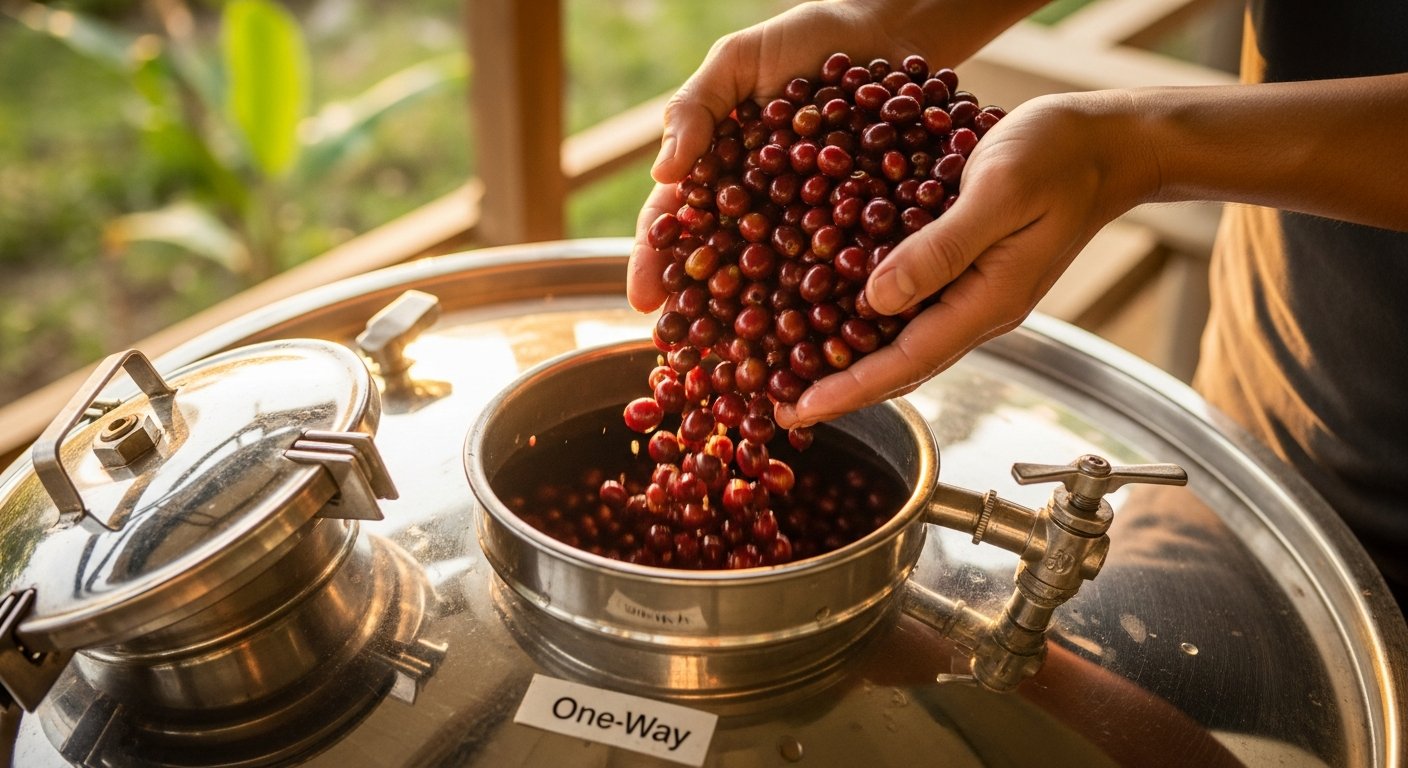
Anaerobic fermentation means fermentation without oxygen. In coffee processing, it involves placing freshly harvested coffee cherries in sealed, airtight tanks. These tanks are equipped with one-way valves that allow carbon dioxide to escape while preventing oxygen from entering. The cherries ferment in their own juices, often for 24 to 72 hours, depending on the desired outcome. This controlled environment allows specific microbes (yeasts and bacteria) to thrive, producing a unique set of flavor compounds.
Unlike traditional washed or natural processing, anaerobic fermentation gives producers precise control over fermentation variables. Temperature, pH, and time are monitored closely. This results in a coffee that is cleaner, fruitier, and more vibrant than its conventionally processed counterparts. The lack of oxygen slows down certain oxidative reactions, preserving delicate fruit esters and acids. The outcome is a cup with pronounced notes of berries, stone fruit, wine, and even bubblegum or tropical flowers.
The Role of Single Origin and Organic Certification
Single origin coffee comes from one specific farm, cooperative, or region. It is not blended with beans from other areas. This traceability is critical for anaerobic fermentation because the method highlights the unique characteristics of the terroir. A single origin bean from a high-altitude farm in Colombia will taste distinctly different from one grown in Ethiopia, even when both undergo anaerobic fermentation. The soil, climate, and varietal all leave their fingerprints on the final cup.
Organic certification adds another layer of integrity. Organic coffee is grown without synthetic pesticides, herbicides, or fertilizers. This matters for anaerobic fermentation because the natural microbial activity on the cherry surface is essential for the process. Synthetic chemicals can disrupt or kill these beneficial microbes, leading to inconsistent or off-flavored results. Organic farming supports a healthy ecosystem of yeast and bacteria, which directly contributes to the complexity of anaerobic fermentation single origin organic coffee flavor. When you choose organic, you are also supporting sustainable farming practices that protect workers and the environment.
How Organic Practices Enhance Flavor
Organic farming encourages biodiversity. Shade-grown organic coffee farms host a variety of plants and animals, which in turn support a diverse microbial community. These microbes land on the coffee cherries and become the active agents during fermentation. A farm with rich, living soil produces cherries with a more complex microbial profile. This complexity translates directly into flavor. You might taste hints of jasmine, lavender, or wild berries that simply do not appear in conventionally grown coffee. The combination of single origin traceability, organic farming, and anaerobic processing creates a flavor that is layered, vibrant, and deeply satisfying.
Flavor Profile of Anaerobic Fermentation Single Origin Organic Coffee
Describing the flavor of this coffee requires a vocabulary that goes beyond simple sweet or bitter. The profile is intensely fruity and often wine-like. Common tasting notes include:
- Red fruits: cherry, raspberry, cranberry, strawberry
- Stone fruits: peach, plum, apricot
- Tropical fruits: pineapple, mango, passion fruit
- Fermented notes: wine, champagne, sour beer, rum
- Floral hints: rose, lavender, jasmine, hibiscus
The acidity is usually bright but not sharp, reminiscent of a crisp white wine or a tart berry compote. The body is often creamy and full, with a silky mouthfeel that coats the tongue. The finish is clean and long, with fruity sweetness lingering on the palate. Some anaerobic coffees even exhibit a subtle effervescence, a light tingle on the tongue similar to sparkling water. This is caused by carbon dioxide trapped in the bean during fermentation. It adds a playful, refreshing sensation to the cup.
These flavors are not subtle. They are bold and unmistakable. If you brew an anaerobic fermented coffee alongside a washed coffee from the same farm, the difference is night and day. The anaerobic version will be louder, fruitier, and more complex. This makes it an excellent choice for drinkers who want to explore the outer edges of coffee flavor.
Comparing Anaerobic Fermentation to Other Processing Methods
Understanding how anaerobic fermentation differs from other methods helps you appreciate its unique qualities. Here is a quick comparison of the three most common processing methods:
- Washed (wet) process: The cherry skin and pulp are removed before fermentation. The beans ferment in water for 12 to 36 hours. This produces a clean, bright, and tea-like cup with high acidity and subtle fruit notes. It highlights the bean’s intrinsic characteristics rather than fermentation flavors.
- Natural (dry) process: The whole cherry is dried in the sun for weeks. The fruit pulp ferments and dries around the bean. This produces a heavy, syrupy body with intense berry and chocolate notes, but it can also lead to over-fermented or funky flavors if not managed carefully.
- Anaerobic fermentation: The cherries ferment in a sealed, oxygen-free tank for a controlled period. This produces a clean, fruit-forward cup with wine-like complexity and low bitterness. It offers the fruitiness of a natural process but with the clarity and precision of a washed process.
Anaerobic fermentation is the most controlled of the three. It allows producers to dial in specific flavor profiles. For example, a longer fermentation time at a higher temperature will produce more acetic acid (vinegar notes) and ethyl acetate (fruity, solvent-like notes). A shorter, cooler fermentation will preserve more delicate floral and citrus compounds. This level of precision is why anaerobic fermentation single origin organic coffee flavor is so sought after by specialty roasters and discerning drinkers.
How to Brew Anaerobic Fermentation Coffee at Home
Brewing this coffee requires some attention to detail. The intense fruit flavors can easily become overwhelming if you over-extract or use water that is too hot. Follow these guidelines for the best results:
- Use a medium-coarse grind. Anaerobic coffees are often dense and produce more fines than washed coffees. A medium-coarse grind (similar to sea salt) helps prevent clogging and bitterness.
- Water temperature between 195-205 degrees Fahrenheit (90-96 Celsius). Lower end of this range (195-200) is often better for preserving delicate fruit notes. Higher temperatures can extract harsh tannins.
- Brew ratio of 1:16 to 1:17. For every 1 gram of coffee, use 16 to 17 grams of water. This ratio balances intensity and clarity. Adjust to taste.
- Brew time around 3 to 4 minutes for pour-over. If using a V60 or Chemex, aim for a total brew time of 3:00 to 3:30. For French press, steep for 4 minutes before pressing.
- Use filtered water. Chlorine or off-flavors in tap water will mask the delicate notes of the coffee. Good water quality is non-negotiable.
A pour-over method like the Hario V60 or Kalita Wave works exceptionally well for anaerobic coffees. These methods highlight clarity and brightness. If you prefer a fuller body, try a French press or AeroPress. In our guide on Bolivia single origin coffee altitude flavor guide, we explain how altitude affects bean density and flavor development, which is directly relevant to anaerobic coffees from high-altitude farms.
Why This Coffee Is Worth the Premium Price
Anaerobic fermentation single origin organic coffee flavor comes with a higher price tag. There are several reasons for this. First, the process is labor-intensive. Producers must monitor fermentation tanks around the clock, checking temperature and pH levels multiple times a day. A mistake can ruin an entire batch. Second, the yield is often lower than conventional processing. Some beans may develop defects during fermentation and must be sorted out. Third, organic certification adds costs for the farmer: organic fertilizers are more expensive, and the certification process itself requires annual fees and inspections.
But the value goes beyond the cost of production. This coffee offers a flavor experience that is simply not available in mass-market beans. It challenges your palate and expands your understanding of what coffee can be. For home brewers and coffee enthusiasts, it is an investment in education and enjoyment. A single bag can provide weeks of exploration, as the flavor evolves with rest time and different brew methods. If you are looking for a coffee that delivers adventure in every cup, this is it.
Where to Find Authentic Anaerobic Fermentation Single Origin Organic Coffee
Not all anaerobic coffees are created equal. Look for roasters who source directly from producers and provide detailed information about the fermentation process. The bag label should include the farm name, region, altitude, varietal, and processing details. If the roaster does not mention anaerobic fermentation on the packaging, ask. Transparency is a sign of quality.
Many specialty roasters now offer anaerobic lots from countries like Colombia, Costa Rica, Ethiopia, and Kenya. Some of the most celebrated anaerobic coffees come from farms in Colombia’s Huila region and Costa Rica’s Tarrazu region. These areas have the high altitude and cool nights that favor slow, controlled fermentation. When you buy from a roaster that roasts to order, like the one behind this site, you get beans at peak freshness. Freshness is critical because the volatile aromatic compounds in anaerobic coffees degrade quickly after roasting. Stale beans lose their fruit-forward punch and taste flat.
To get started, search for anaerobic fermentation single origin organic coffee flavor from reputable online retailers. Read reviews and look for tasting notes that match your preferences. If you love bright, winey coffees, choose a lot with tropical fruit and floral notes. If you prefer deeper, more chocolatey flavors, look for anaerobic coffees that mention cacao, brown sugar, or dried fruit. There is a world of variety within this category.
The rise of anaerobic fermentation represents a shift in coffee culture. Drinkers are no longer satisfied with simple, reliable cups. They want complexity, story, and connection to origin. This coffee delivers all three. It rewards curiosity and patience. Every cup is a conversation between the farmer, the fermenter, the roaster, and you. That is the true magic of anaerobic fermentation single origin organic coffee flavor.